Carbon Steel
Carbon steel is a strong and durable material made primarily of iron and carbon, with varying carbon content that influences its hardness, strength, and flexibility. It is widely used in construction, manufacturing, automotive, and machinery due to its affordability and ability to withstand high stress and impact.
Carbon steel is available in several grades, ranging from low-carbon steel (soft and malleable) to high-carbon steel (hard and brittle), making it suitable for a broad range of applications.
Copper
Copper is a highly conductive metal known for its excellent electrical and thermal conductivity, making it essential in electrical wiring, electronics, and heat exchangers. It is also valued for its corrosion resistance, malleability, and ductility, which allow it to be easily shaped and formed into various products.
Copper is widely used in plumbing, roofing, and industrial applications due to its durability and natural antimicrobial properties. Its ability to develop a protective patina over time adds to its aesthetic appeal and longevity, especially in outdoor and architectural uses.
Aluminum
Aluminum is a lightweight, corrosion-resistant metal known for its excellent strength-to-weight ratio and versatility. It is widely used across various industries, including automotive, aerospace, construction, and packaging, due to its ease of fabrication, high durability, and thermal and electrical conductivity.
Aluminum also has good resistance to oxidation, making it ideal for both indoor and outdoor applications.
Stainless Steel
Stainless steel is a highly durable and corrosion-resistant alloy composed primarily of iron, carbon, and chromium. Known for its strength, versatility, and resistance to staining, rust, and oxidation, stainless steel is widely used in industries such as automotive, aerospace, food processing, medical devices, and construction.
It maintains its appearance and integrity even in harsh environments. Available in various grades, stainless steel can be tailored for specific needs.
Brass
Brass is an alloy primarily composed of copper and zinc, known for its strength, durability, and attractive gold-like appearance. It is highly malleable and resistant to corrosion, making it ideal for applications in plumbing, electrical components, musical instruments, and decorative items.
Brass also offers excellent machinability, making it easy to work with in manufacturing processes. Brass is commonly used in both functional and ornamental applications, providing a combination of aesthetics and performance.
LDPE
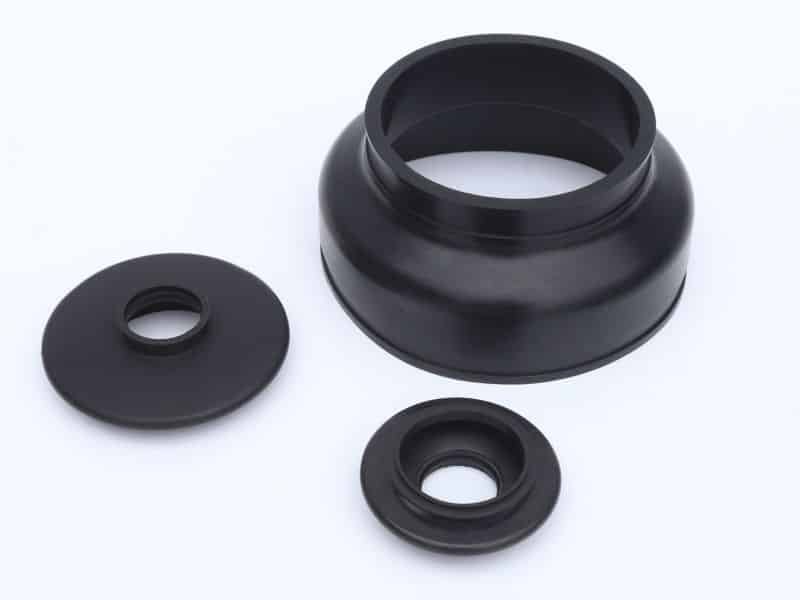
LDPE is a widely used thermoplastic polymer with lightweight, flexible, and durable properties. It has a low density of approximately 0.917 to 0.930 g/cmÂł, and has a relatively low melting point, making it easy to mold into a variety of shapes.
LDPE injection molding has low-cost and ease to processing which make it a popular choice for high-volume manufacturing.
UHMWPE
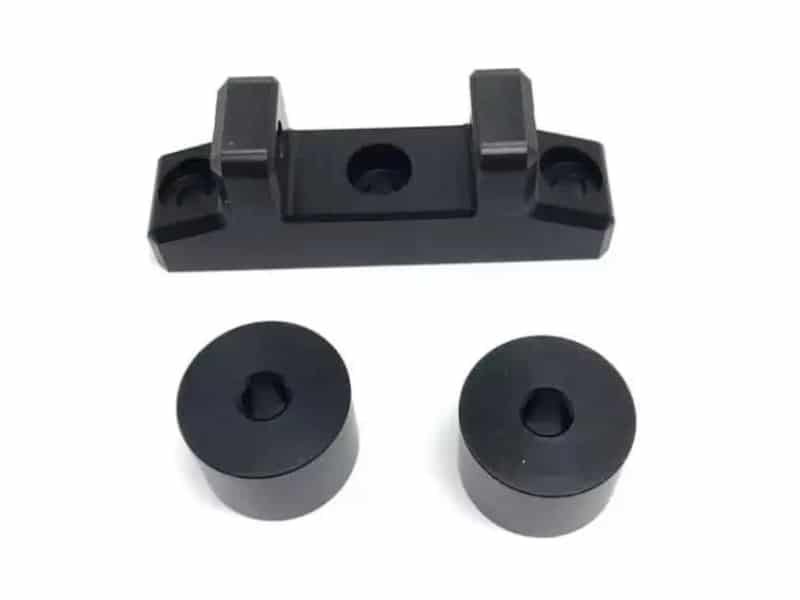
UHMWPE is a highly durable material with a high molecular weight. It provides outstanding impact resistance, wear resistance, and low friction, which makes it suitable for industries such as mining, food processing, and aerospace.
UHMWPE CNC machining is often used to produce precise parts with tight tolerances, it is ideal for manufacturing parts taht endure heavy wear and tear.
PS
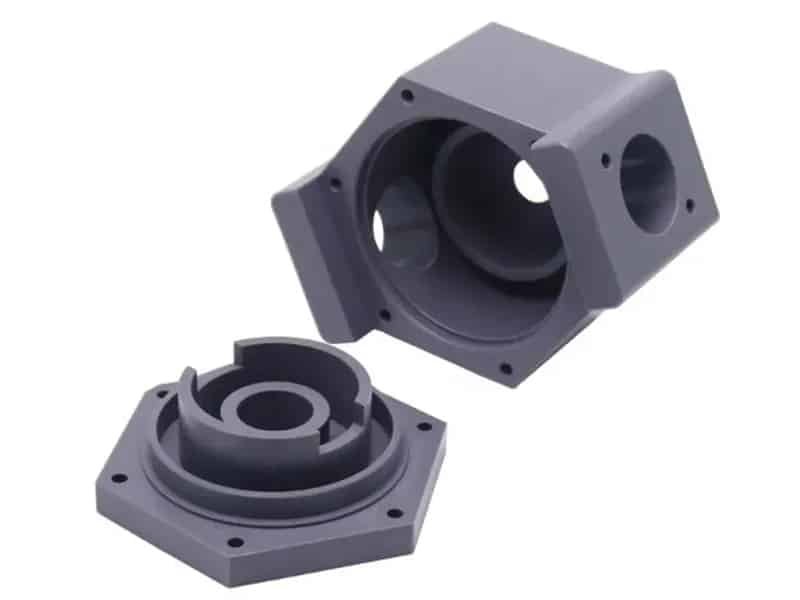
PS (Polystyrene) is a lightweight, rigid thermoplastic. While it is not as durable as ABS or Polycarbonate, its excellent machinability allows it to be cut, drilled, and shaped into detailed parts.
Polystyrene CNC machining is typically used for applications such as electronics housings, displays, protective covers, and other low-stress applications that do not require high strength or impact resistance.
PTFE
PTFE (Polytetrafluoroethylene) has excellent chemical resistance, low friction, and high-temperature stability. It has unique non-stick properties and is able to resist harsh chemicals and extreme temperatures.
PTFE is relatively soft and expands easily when heated, so it is easy to machine. The PTFE Machining parts offer high precision with complex geometries.
PVC
PVC (Polyvinyl Chloride) is available in both rigid and flexible forms, and rigid PVC is more commonly used for CNC machining. It has excellent machinability, durability, and often used for applications requiring strength and stability.
In CNC machining, PVC can be precisely cut, drilled, and shaped to meet complex specifications with high dimensional stability.v
HDPE
HDPE (High-density polyethylene) is a durable, strong, and stiff thermoplastic. With higher density compare to LDPE, HDPE has greater strength, rigidity, and resistance to wear.
HDPE has relatively low friction coefficient and ease of machining, HDPE CNC machining parts are widely used in construction, automotive, and water management.
POM
POM (Polyoxymethylene), also know as acetal, is a high-performance engineering thermoplastic with exceptional mechanical properties. It is low friction, high stiffness, and excellent dimensional stability.
POM can be easily milled, turned, and drilled to create complex geometries and smooth finishes.
PMMA
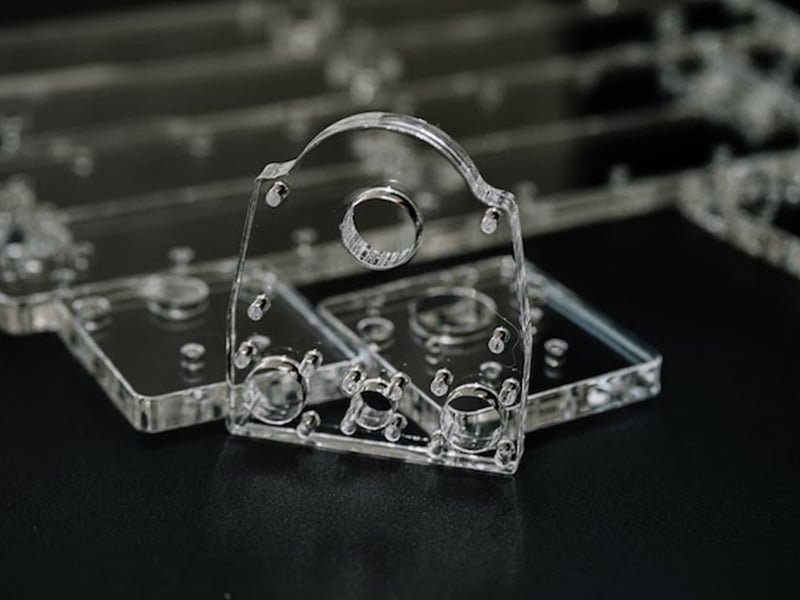
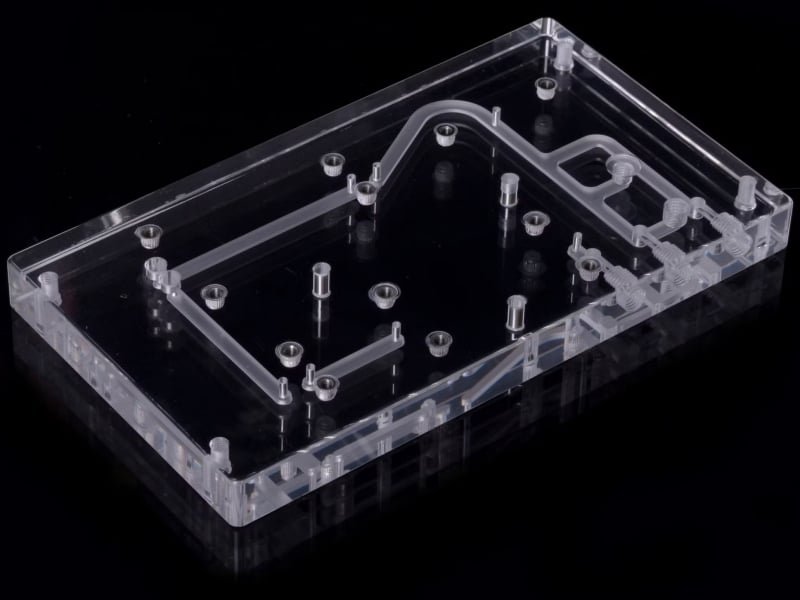
PMMA, also known as acrylic, is a thermoplastic known for its excellent optical clarity, impact resistance, and UV stability.
PMMA CNC machining offers advantages such as high-dimensional accuracy and the ability to produce complex geometries with tight tolerances.| High-Volume CNC Machining | Low-Volume CNC Machining | |
|---|---|---|
| Order Quantity | Large production runs | Limited production quantities |
| Cost | Lower unit cost at higher quantities | Higher unit cost, but lower total production cost for smaller orders |
| Production Flexibility | Sustained production | Easier to adjust between smaller orders |
| Best For | Products requiring large quantities of the same part | Replacement parts, limited production runs |
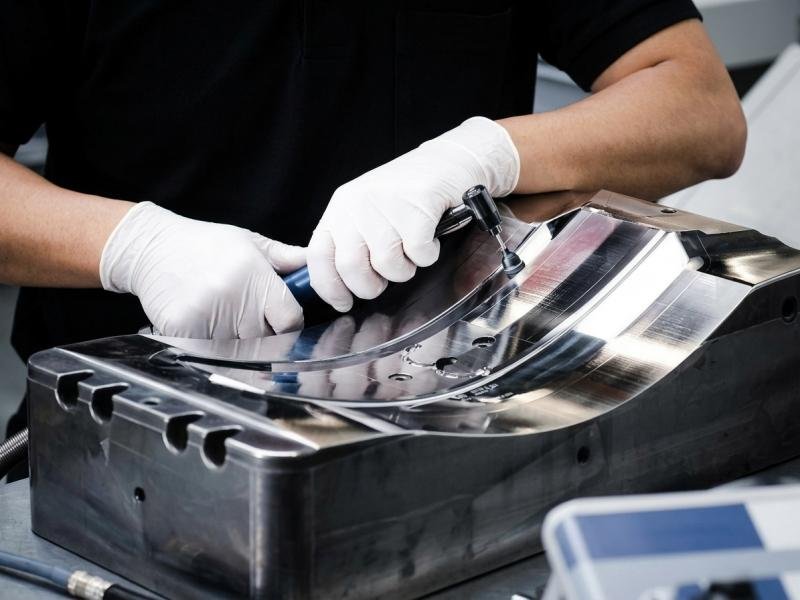
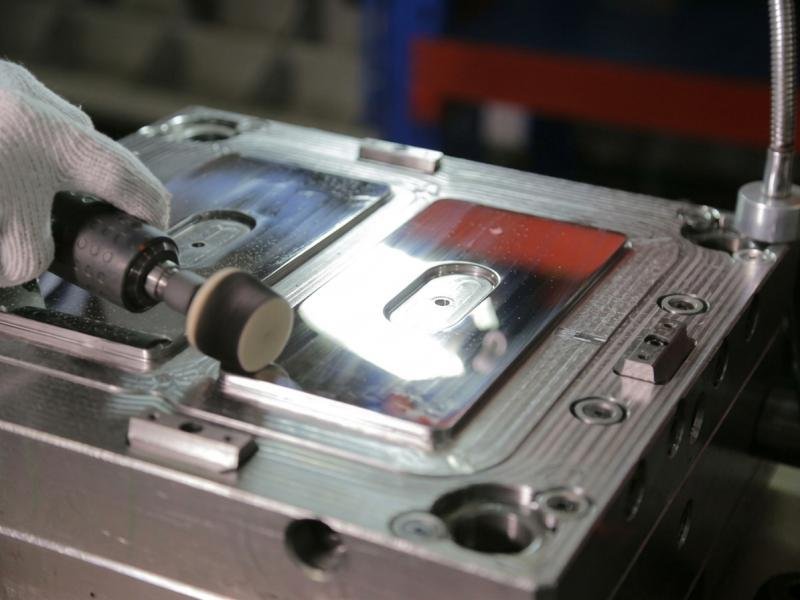
Injection mold surface finish decides how your part looks, feels, and performs. A glossy phone
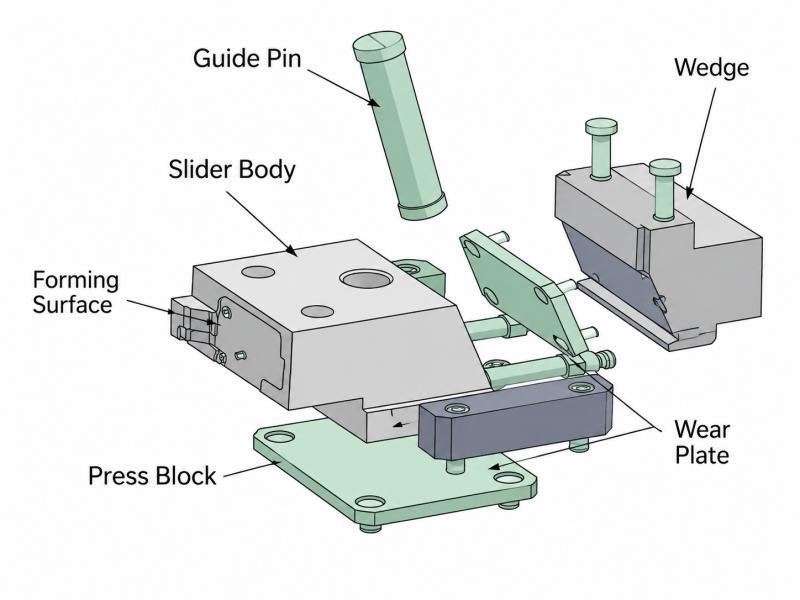
Complex plastic parts often include side holes, hooks, grooves, and other features that may create
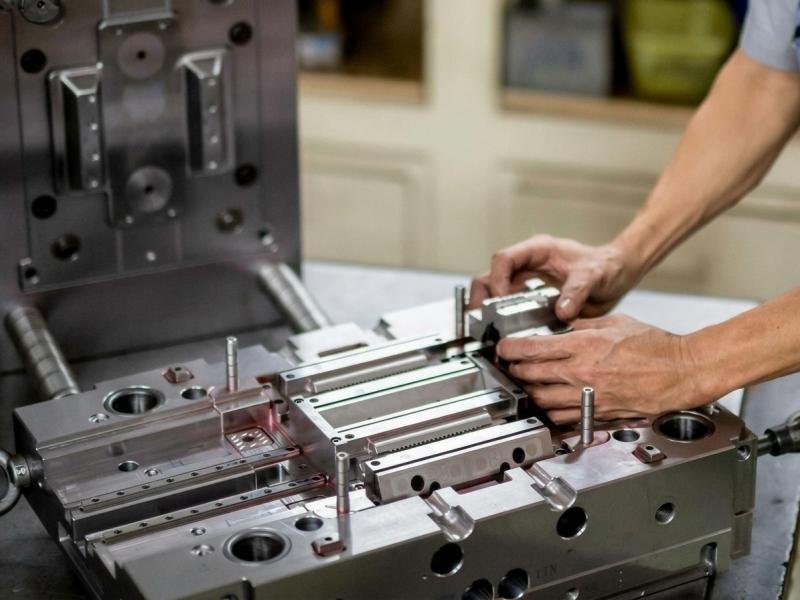
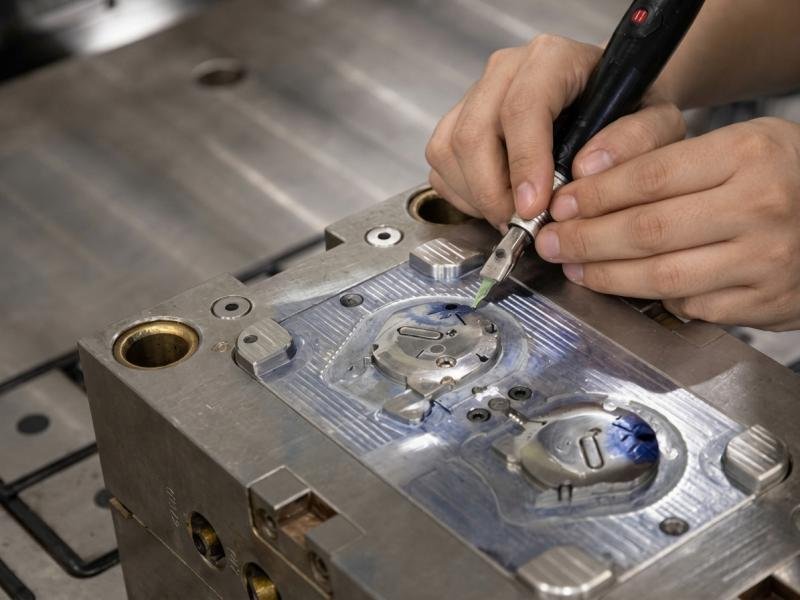
Injection mold assembly brings individual mold components together into a tool that reliably opens, closes,
An injection mold can produce consistent parts for thousands of cycles, but wear, corrosion, impact,
Injection mold lifespan determines how long a mold can maintain reliable performance under repeated production
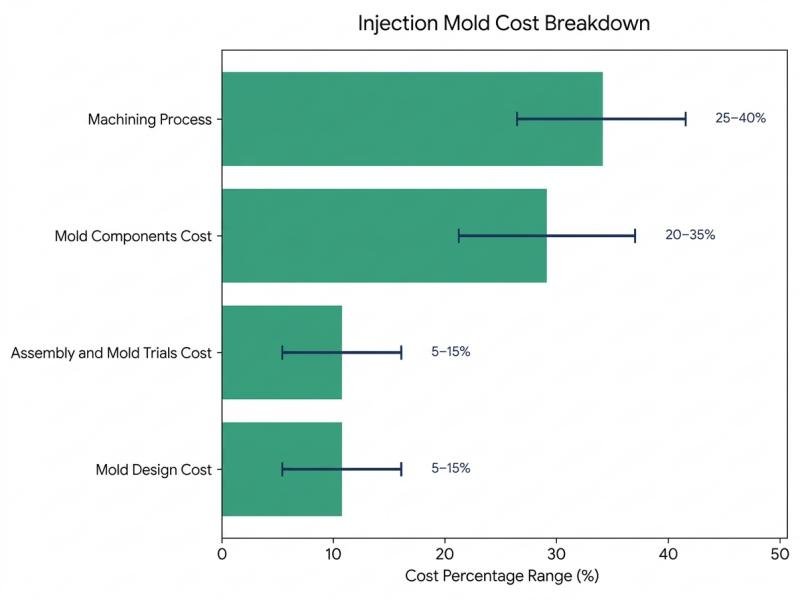
Why can two injection molds for similar plastic parts have very different prices? Because mold