
Aluminum Machining Service
Get custom aluminum machined parts with precise dimensions, consistent quality, and flexible surface finishing options.

Our Full-Service Aluminum Machining
Aluminum is a lightweight, corrosion-resistant metal known for its excellent strength-to-weight ratio and versatility. As a professional CNC machining supplier, Erye has rich experience in aluminum material selection, precision machining, and surface finishing, helping you get high-quality metal parts on a shorter time and a less budget.
- CNC Milling & Turning: Full in-house capabilities for complex and round parts.
- Equipment: Covering 3-axis, 4-axis, and 5-axis configurations to handle complex parts.
- Tolerance: Down to ±0.01mm, verified through CMM inspection
- DFM support: A free report to check manufacturability before you commit
- Turnaround: Prototypes shipped in as little as 3–5 business days
What is Aluminum in CNC Machining
Most CNC parts are actually machined from aluminum alloys rather than pure aluminum. Elements like magnesium, silicon, copper, or zinc are added to adjust strength and other properties. So we offer aluminum machining in a range of alloy grades to meet different requirements for strength, weight, and performance. Aluminum also reacts with oxygen in the air, forming a thin natural oxide layer on its surface. This is why it already had basic corrosion resistance before the post-processing. In additation, with the right machining and finishing approach, we can further tailor the surface and performance of aluminum parts to suit different application requirements.
Choosing the Right Aluminum Grade for Your Part
Machinability, strength, and corrosion resistance of different aluminum materials vary greatly. Below are the grades most commonly used across CNC machining projects. If you are unsure which grade to choose, Erye can help you select the right material for your application.
| Grade | Hardness | Tensile Strength | Key Properties | Common Applications |
|---|---|---|---|---|
| 2024 | ~120 HB | 390–480 MPa | Strong and fatigue-resistant | Wing structures, missile components |
| 5052 | ~60 HB | 210–260 MPa | Excellent corrosion resistance and weldability | Marine hardware, enclosures, fuel tanks |
| 6061 | ~95 HB | 260–310 MPa | Good strength, corrosion resistance, and workability | Mounting brackets, jigs and fixtures, bike frames |
| 7075 | ~150 HB | 500–570 MPa | High-strength, aerospace-grade aluminum | Aircraft wing spars, gears, rock climbing gear |
| MIC 6 | Cast aluminum tooling plate | 220–260 MPa | Excellent flatness and dimensional stability | Tooling plates, jigs, and fixtures |
Is Aluminum the Right Material for Your Project?
When you need a material that balances performance, cost, and appearance, aluminum can be an appropriate choice for your CNC machined parts.
Machinability
Cuts fast and cleanly, helping reduce production cycle and per-part cost
Light weight
About a third the density of steel, useful for parts where weight matters
Formability
Handles thin walls and fine detail well without losing dimensional stability
Corrosion resistance
Naturally resist moisture and everyday outdoor exposure
Finishing versatility
Anodizes well, providing a range of color and cosmetic options
Surface Finishing Options for Aluminum Machining
To make sure your aluminum parts perform well and have an attractive appearance, Erye offers several finishing options:
Brushing
Produces a fine-lined, satin surface with a consistent directional texture.
Polishing
Produces a smooth, reflective surface with a bright metallic appearance.
Bead Blasting
Produces a uniform, matte surface that minimizes visible machining marks.
Anodizing
Produces a durable, corrosion-resistant surface with a range of color options.
Powder Coating
Produces a thick, even finish with rich colors and textures for enhanced surface protection.
Electroless Nickel Plating
Produces a uniform nickel coating with improved hardness, wear resistance, and corrosion resistance.
Aluminum Machining Services For Your Industry
Erye's aluminum machining capabilities support a wide range of industries, including:
Related FAQs of Aluminum Machining
Why does aluminum sometimes leave a rough or "furry" edge after machining?
This is usually caused by burr formation, which happens more easily with aluminum than harder metals due to its ductility. It's typically addressed with deburring or tumbling as a secondary finishing step.
Can aluminum parts warp during machining?
Thin-walled or asymmetric aluminum parts can experience some distortion from internal stress being released during cutting, especially with softer tempers. This is usually managed by adjusting fixturing, cutting sequence, and toolpaths.
Can aluminum be welded or joined after machining?
Most aluminum grades, such as 6061 and 5052, weld reasonably well. 7075 is more difficult to weld due to its higher strength and susceptibility to cracking, so mechanical fastening is often preferred for that grade.
Can you match a specific color for anodized parts?
Yes, anodizing supports a range of colors. Let us know your target color or provide a reference, like a Pantone code, when you request a quote, and we will confirm what is achievable.
Ready to Start Your Aluminum Machining Program?
Upload Your CAD File or 2D Drawing
We value the relationships we build with our
customers. If you have questions about our
services, need support, or just want to chat about your project, we're happy to help. Reach out to us anytime, and let's start working together to bring your ideas to life.
- sales@eycpu.com
- +86 311 85213655
- +86 15833316667
Blogs & News
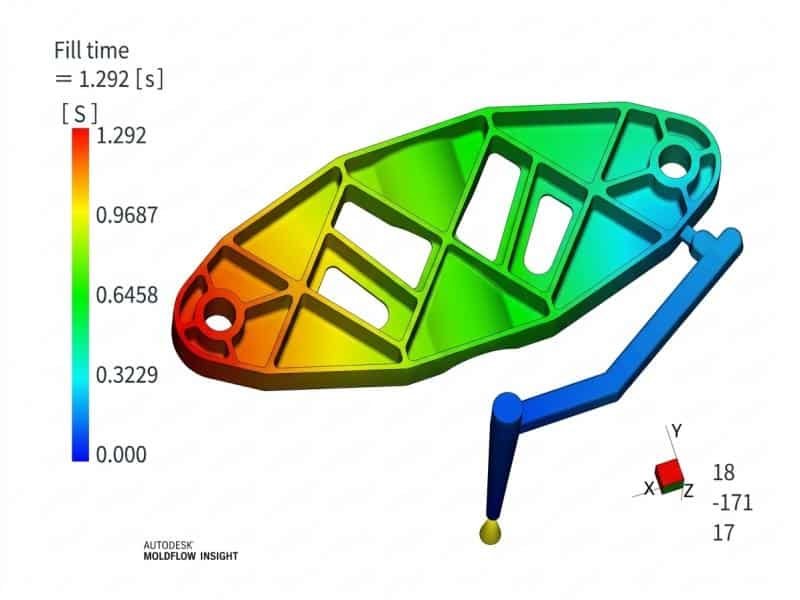
When a mold produces several parts in one cycle, the way molten plastic flowsthrough the
Making a flawless plastic component requires absolute precision from the initial design phase to final
When production requirements grow, companies often need a solution that improves productivity without adding unnecessary
When production demand increases, producing a large quantity of plastic parts quickly and cost-effectively becomes
Electrical Discharge Machining (EDM) is an advanced CNC machining technology that removes material through controlled
Different types of CNC machines play different roles in making the parts used in everyday