
When a mold produces several parts in one cycle, the way molten plastic flows
through the mold can affect how evenly each cavity fills and how much material goes to waste. The mold sprue plays an important role in this process. Understanding its types and design parameters helps you evaluate mold performance and make better decisions for your injection molding project.
What Is a Sprue in Injection Molding?
A sprue is the entry channel for molten plastic in an injection mold. It forms the first section of the melt flow path inside the mold. During injection, the machine nozzle presses against the sprue bushing, and molten resin flows through the sprue before moving into the runner and gate. In a single-cavity mold, the sprue may feed the gate directly. In a multi-cavity mold, it usually feeds a runner network that distributes the melt to several cavities.

How the Sprue Connects to Other Injection Mold Components
Now that you understand how the sprue connects the injection machine nozzle to the mold’s feed system, let’s look at how it differs from the sprue bushing, runner, and gate.
| Feature | Main function | Typical location |
|---|---|---|
| Nozzle | Delivers molten plastic from the injection unit into the mold | At the outlet of the injection unit |
| Sprue Bushing | Forms the sprue passage and provides a mating surface for the machine nozzle | At the mold’s injection entry |
| Sprue | Carries molten plastic from the nozzle interface into the runner system or directly toward the cavity | Between the sprue bushing inlet and the runner or cavity |
| Runner | Distributes molten plastic from the sprue to one or more gates | Between the sprue and gates |
| Gate | Controls the final entry of molten plastic into the part cavity | At the cavity entrance |
Each section affects part quality. A poor nozzle-to-bushing fit can cause melt leakage. A sprue that is too restrictive can increase pressure loss. An unbalanced runner can cause cavities to fill at different times. A gate that is too small can freeze early or leave a visible mark, while a gate in a poor location can contribute to weld lines or uneven packing.
Types of Sprue Used in Injection Molding
Sprue arrangements are often grouped by whether the plastic inside the feed channel solidifies between cycles. It is mainly divided into two categories.
Cold Sprue
A cold sprue is part of a cold-runner system and is the common solution in many molds. The plastic inside the sprue cools and solidifies during each molding cycle, so the sprue is ejected along with the molded parts or removed in a separate step. It typically has a tapered shape, with a wider opening near the nozzle and a narrower end toward the runner, allowing the solidified sprue to release more easily from the sprue bushing.
Cold sprues are relatively straightforward and can suit a wide range of projects. They usually have a lower initial tooling cost than a hot-runner system. However, each cycle produces solidified feed material that may add to cycle time, handling, and material use.
Hot Sprue
A hot sprue keeps the plastic molten inside heated channels, reducing or eliminating the solidified runner and sprue that a cold-runner system would produce. Depending on the system layout, the nozzle may feed the cavity through a heated manifold and hot-runner nozzle, so it doesn’t require a conventional cold sprue. For a closer look at the differences between hot-runner and cold-runner systems, see our related guide.
Hot sprue usually costs more upfront and requires temperature control and maintenance. It can reduce feed-system waste and may shorten cycle time, making it attractive for larger production runs or expensive resins.

The Key Design Parameters of Mold Sprue
A sprue needs to carry molten plastic efficiently and release cleanly after cooling, so each parameter in this process must be set to support reliable molding and consistent part quality.
Inlet Diameter
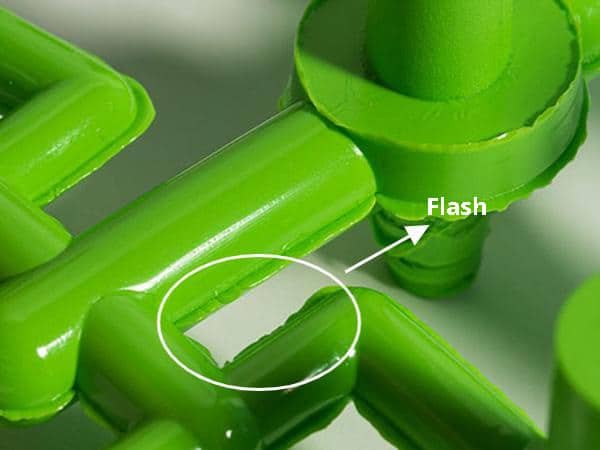
The sprue inlet must match the injection nozzle’s radius and opening. The contact surfaces need to seal properly so melt does not leak during injection, reducing the generation of flash or buildup around the contact point. The sprue opening also needs to avoid an abrupt restriction that can increase pressure loss or disrupt flow.
Sprue Diameter
The sprue diameter affects flow resistance, mold cooling, and the amount of solidified material produced each cycle. A narrow sprue can increase pressure loss and may freeze before the cavity fills. An unnecessarily large sprue uses more resin and can take longer to cool. For large parts, thick-wall parts, or materials with poor flow, the sprue may need to be larger. For small parts with easy-flow materials, a smaller sprue may be enough.
Sprue Length
Sprue length follows the distance between the machine nozzle and the runner or cavity entry within the mold layout. A longer channel may increase pressure loss and material use, so the design should keep the flow path practical while respecting the mold structure.
Taper Angle
A suitable taper helps the cooled sprue release from the bushing. Choosing the right angle helps prevent sticking and supports consistent ejection. An excessively large taper can increase the amount of material used in the sprue.
Surface Finish
A smooth sprue surface helps the solidified material release and reduces the chance of sticking. Scratches, wear, or damage inside the bushing can affect ejection and leave marks on the sprue. Routine inspection matters when a mold runs repeatedly. If sprue removal becomes inconsistent over time, the bushing surface and ejection features should be checked before changing process settings.
Material Characteristics
Resin viscosity affects melt flow, while shrinkage and cooling behavior influence sprue release. So the sprue design should match the selected resin to maintain smooth flow and reliable ejection. Mold-flow analysis helps predict filling issues, while physical checks verify nozzle fit and sprue release.
Common Sprue Problems and Their Causes
Sprue-related problems can affect mold release, cycle time, and part quality. Identifying the likely cause helps determine whether the sprue design, mold condition, or processing settings need adjustment.
Sprue Sticking
A sprue may stick inside the sprue bushing instead of releasing cleanly after cooling. Common causes include insufficient taper, a rough or damaged bushing surface, and unsuitable cooling conditions. Checking the taper and surface finish can help restore consistent ejection.
Sprue Breakage
A sprue may break during ejection, leaving material inside the bushing or requiring manual removal. This can occur when the sprue sticks to the bushing or becomes too weak to withstand ejection forces. Reviewing the sprue geometry and ejection conditions can help reduce breakage.
Sprue Marks
Sprue marks may remain at the point where the sprue connects to the molded part, leaving a visible blemish or raised area after removal. Poor gate design, improper sprue removal, or insufficient trimming can make the mark more noticeable. Adjusting the feed-point design and using a suitable removal method can help improve the surface finish.
Flow Marks
Flow marks appear as streaks or wavy patterns on the molded part’s surface, often near the gate or along the direction of melt flow. They can develop when molten plastic cools unevenly or flows inconsistently as it enters the cavity. Reviewing melt temperature, injection speed, and gate design can help reduce these marks.

Excessive Sprue Waste
A large sprue increases the amount of solidified plastic discarded during each cycle, raising material use and potentially extending cooling time. This may occur when the sprue diameter is larger than necessary or the feed path is longer than the mold layout requires. Optimizing the sprue dimensions can reduce waste while maintaining adequate melt flow.
Conclusion
The sprue may be a small part of an injection mold, but its design can make a noticeable difference in how each molding cycle runs. A well-designed sprue helps molten plastic enter the mold smoothly and reduces issues such as sticking, breakage, and unnecessary material waste.
Erye supports injection molding projects with design and manufacturability reviews. We can help assess sprue dimensions, nozzle fit, material requirements, and potential molding issues to help you make informed tooling decisions before production begins.