
When asking for an injection molding quote, understanding what is included in the quotation can help you better evaluate the potential injection molding cost of your project. An injection molding quote usually includes two main cost components: mold costs and production costs. Before contacting an injection molding partner, preparing the right project information can help speed up the quotation process, improve cost accuracy, and prevent unexpected expenses later. So, what information should you prepare before asking for an injection molding quote?
Prepare CAD files or Engineering Drawings
It is important to understand that a basic sketch or product concept is usually not enough for an accurate injection molding quote. Before asking for an injection molding quote, you should provide as much design information as possible about the part you want to manufacture.
CAD files or engineering drawings allow the injection manufacturer to better understand the part structure, dimensions, and manufacturing requirements and estimate production costs more accurately. If available, providing a prototype or existing part sample can also help the injection molding team identify potential design challenges and suggest improvements before production begins.
Define the Part Application and Performance Requirements
Before asking for an injection molding quote, you should provide details about the intended application of your part. The actual working environment of a part can significantly affect material selection and design decisions. Understanding how and where the part will be used allows the injection manufacturer to evaluate the required performance level and recommend the most suitable manufacturing solution, and prevent potential failures.
Important information to share includes:
- The final product application
- Expected operating conditions
- Whether exposed to chemicals, moisture, UV, or extreme temperatures or not
- Required strength, durability, or flexibility
Existing Molds or Mold Designs
Before asking for an injection molding quote, you should confirm whether you already have an existing mold for your project or whether new tooling will be required. If you have an existing injection mold, you can provide relevant details, such as mold drawings, specifications, material and construction details, to help the manufacturer evaluate whether it can be used for production. If the existing mold is compatible with the manufacturer’s equipment, it will reduce initial tooling costs and shorten production lead times.
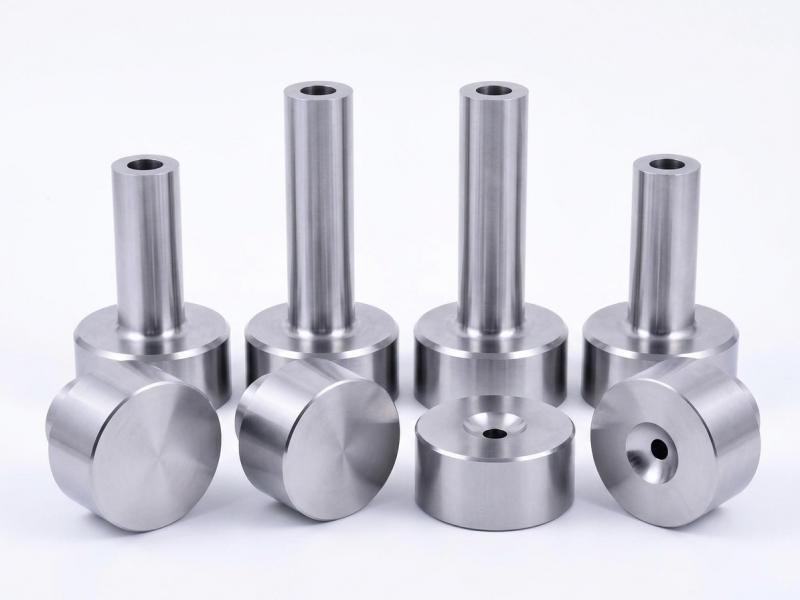
If no existing mold is available, the manufacturer will customize the molds for you according to your requirements. Since the mold is created specifically for your product, this is usually a one-time expense paid before production begins. The tooling process involves multiple stages, from mold design and material selection to manufacturing and testing, all of which can affect the final tooling cost. You can learn more about the injection molding tooling process and the factors involved in mold development.
Erye Mold & Tooling Service
- Mold Design & DFM
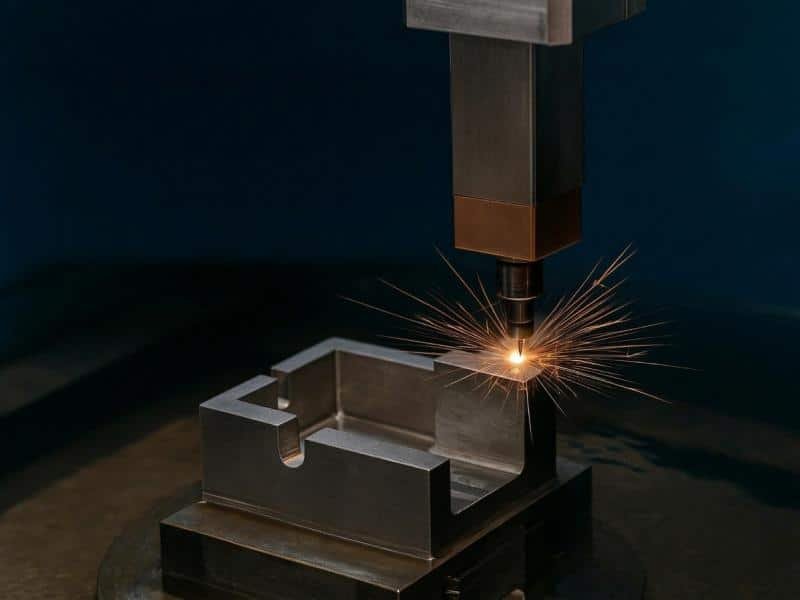
- CNC Machining & EDM
- Mold Trail & Optimization
Estimate Required Production Volume
Before asking for an injection molding quote, you should have a clear estimate of how many parts you need and how long the project is expected to continue. Most injection manufacturers categorize their business as low-volume or high-volume. Low-volume manufacturing generally refers to production runs below approximately 10,000 units. In contrast, high-volume production involves significantly larger quantities, often reaching hundreds of thousands of parts or more.
Define Part Size and Design Complexity
Before asking for an injection molding quote, you should understand detailed information about your part’s size, shape, and overall design complexity. This is important for mold cost. Parts with complex geometries, intricate features, or tight design requirements usually require more advanced mold structures, which can increase tooling expenses. On the other hand, simpler part designs typically require less complicated molds and may result in lower tooling costs.
The size and design of your part also help determine whether injection molding is the most suitable manufacturing method for your project. While many plastic components can be produced through injection molding, extremely large parts or specific product designs may require alternative processes depending on their size and structure.
Understand Suitable Material Requirements
Before asking for an injection molding quote, you should have a basic understanding of the material required for your part. Different materials provide different levels of strength, flexibility, chemical resistance, durability, and cost. Having an initial idea of the material options available can help you communicate your requirements more clearly and avoid selecting a material that does not match your product needs.
If you are unsure whether your selected material is suitable, an experienced injection molding material manufacturer can help evaluate your requirements and recommend a material that better matches your application, performance expectations, and budget.
Consider Required Additional Services
Before asking an injection molding quote, you should identify whether your project requires any additional services beyond the molding process itself. Many injection molding suppliers provide secondary operations that can help complete your product from production to final delivery.
Common additional services may include surface finishing, printing or labeling, assembly and packaging. If you need any of these services, include them in your initial inquiry so your injection molding partner can provide a more complete cost estimate and production plan.
Conclusion
Preparing the right information before asking an injection molding quote can help you receive a more accurate estimate and create a smoother transition from product development to production.
At Erye, we provide comprehensive injection molding solutions, including mold design and manufacturing, plastic injection molding, material selection support, and secondary operations. Our team helps customers evaluate manufacturing requirements, optimize designs, and develop reliable plastic parts that meet their performance and production goals.