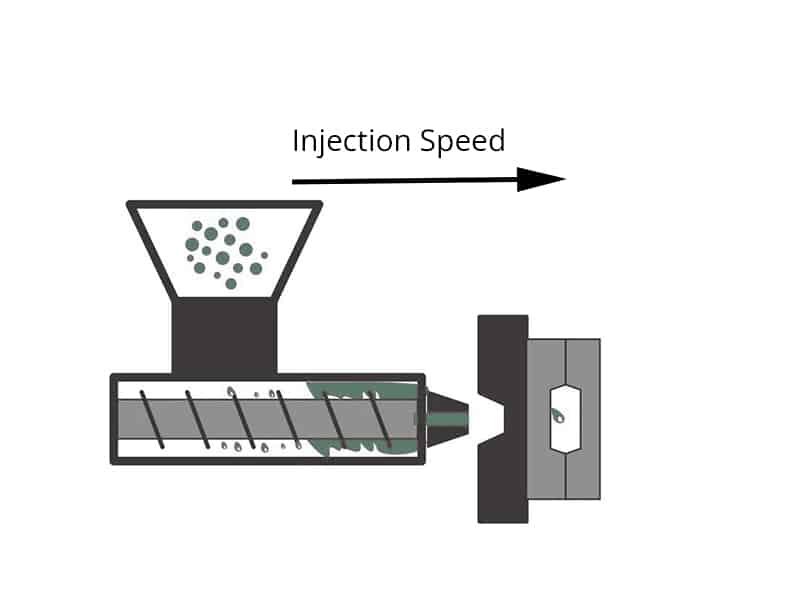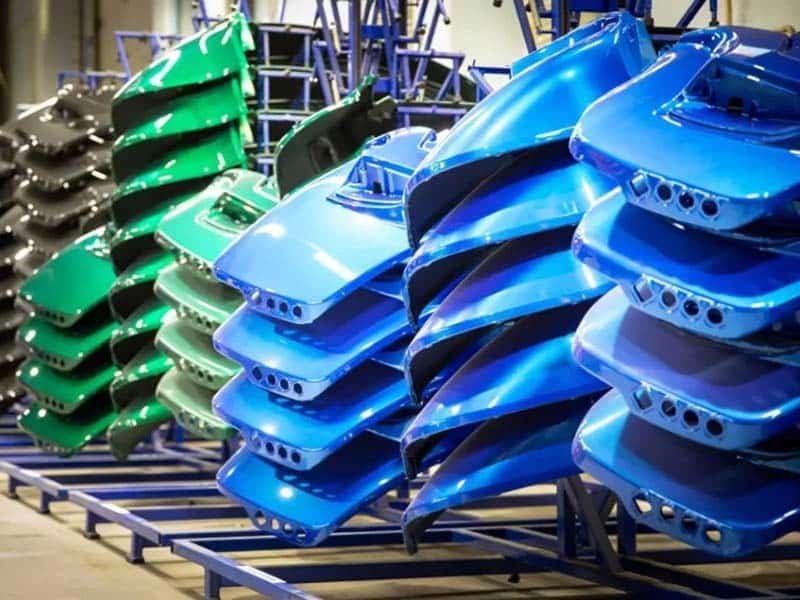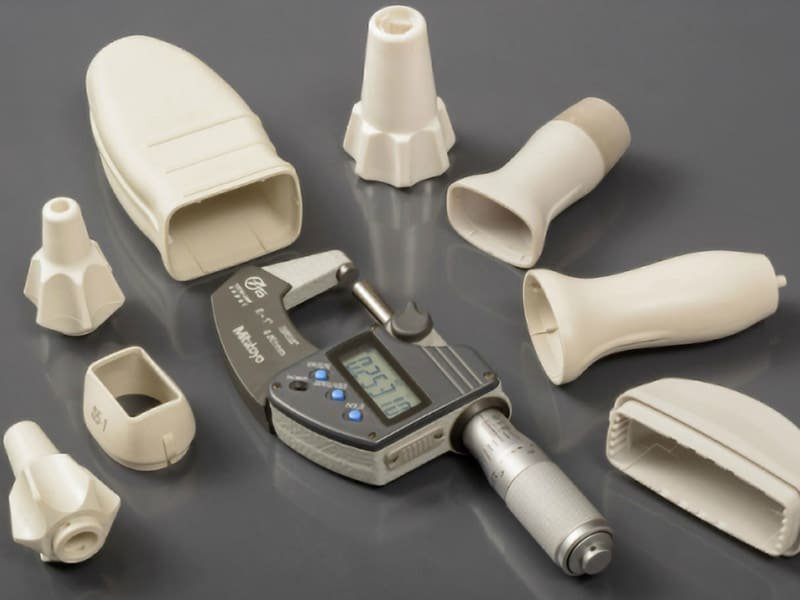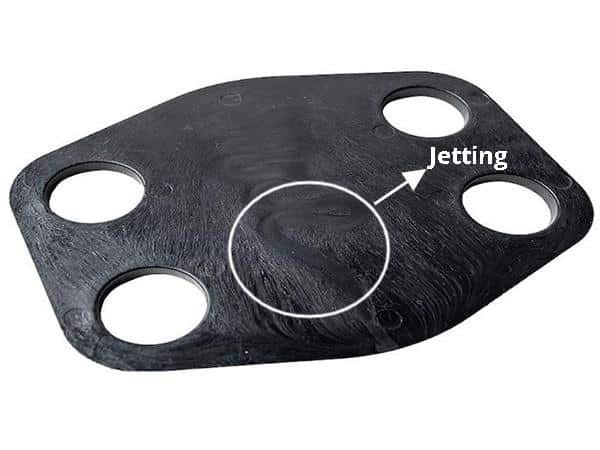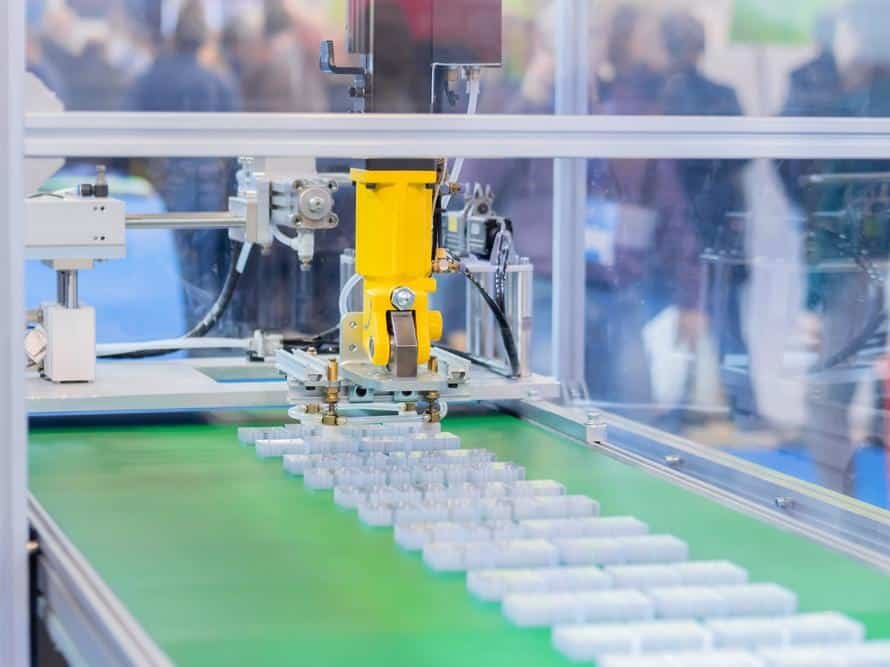

Insert molding and overmolding are two of the most commonly used molding processes. Both combine different materials or components into a single molded part. Because they have similar production goals and manufacturing principles, these two processes are often confused or used interchangeably. This article will highlight their key differences, compares their advantages and disadvantages, and provides practical guidance on how to choose the most suitable process for your manufacturing needs.
What is Insert Molding
Insert molding is an injection molding process in which a pre-manufactured insert is placed inside a mold before molten plastic is injected around it. Once the plastic solidifies, the insert becomes securely embedded within the finished part, creating a strong and durable component. It is widely used for parts requiring integrated metal or other rigid inserts.

Benefits and Limitations of Insert Molding
Benefits
- Combines the strength and durability of metal inserts with the lightweight and design flexibility of plastics.
- Integrates multiple components during molding, reducing additional assembly steps and improving production efficiency.
- Enables compact designs by embedding functional components into a single molded part.
Limitations
- Accurate insert positioning is required, which increases mold design requirements and process control needs.
- Differences in thermal expansion between inserts and plastic materials may create stress and affect long-term reliability.
What is Overmolding?
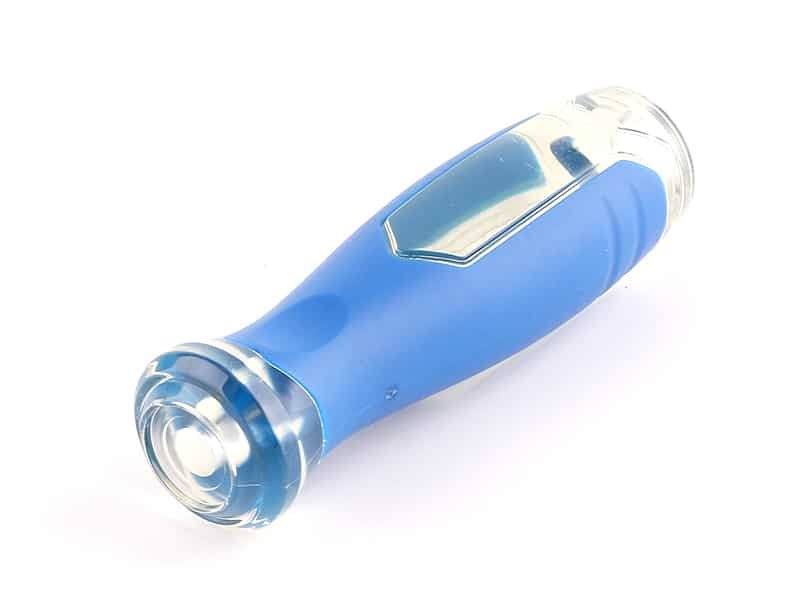
Overmolding is a manufacturing process that forms a second material over a pre-molded substrate to create a single and integrated component. The substrate is typically rigid plastic, while the outer layer is often a soft material.

Benefits and Limitations of Overmolding
Benefits
- Combines rigid and soft materials to improve grip, comfort, durability, and overall product performance.
- Enables multi-material and multi-color designs with greater flexibility in product appearance.
- Integrates multiple functions into one component, reducing part complexity and improving manufacturing efficiency.
Limitations
- Material compatibility is important because not all plastics and elastomers can form strong bonds.
- Improper bonding or processing conditions may cause issues such as delamination, shrinkage, or warpage.
Insert Molding vs Overmolding: Key Differences
Materials Consideration
Insert molding combines a pre-formed insert, typically made of brass, steel, aluminum, or other rigid materials, with engineering thermoplastics such as nylon, PC, ABS, PP, or PEEK. Unlike overmolding, the insert is secured mainly through mechanical retention rather than chemical bonding, allowing greater flexibility in material selection.
Overmolding requires two compatible materials to achieve a strong chemical bond. The substrate is usually a rigid plastic, such as ABS, PC, PP, PBT, or nylon, while the outer layer is commonly TPE, TPU, silicone, or other elastomers.
Process Complexity
Insert molding has a relatively straightforward process by integrating a pre-formed insert into a plastic part during molding. The main challenge is ensuring accurate insert placement and proper mold design for reliable integration.
Overmolding involves a more complex manufacturing process because it combines two different materials into one component. It requires careful control of material compatibility, mold design, and bonding conditions to achieve consistent results.
Cost
Insert molding is generally more cost-effective because it requires simpler tooling and a less complex molding setup. It helps reduce initial investment and manufacturing preparation costs.
Overmolding involves molding multiple materials, so it may require additional molds, two-shot molding systems, or specialized tooling, increasing the overall tooling cost and setup complexity.
Production Speed
Insert molding can achieve shorter production cycles when inserts are readily available and efficiently loaded. Automated insert placement can further improve consistency and production efficiency for large-volume manufacturing.
Overmolding may require more time for each production cycle due to additional molding steps. However, optimized processes and automated two-shot systems can support efficient mass production of multi-material components.
Choosing Between Insert Molding and Overmolding
The choice between overmolding and insert molding depends on the product’s design requirements, material combination and manufacturing goals. While both processes create integrated multi-material components, they are designed for different applications.
When to Choose Insert Molding
Insert molding is suitable for applications that require combining plastic with metal or other rigid components to improve strength, functionality, or assembly efficiency.
Typical applications include:
- Automotive components: Plastic parts with metal inserts, such as knobs, brackets, and structural components, benefit from improved strength and durability.
- Electronic components: Connectors, switches, sockets, and circuit-related parts use insert molding to protect and integrate conductive or mechanical elements.
- Threaded components: Plastic housings with embedded metal threads provide better wear resistance.
- Medical devices: Surgical tools and medical instruments often use insert molding to combine plastic flexibility with metal strength.

When to Choose Overmolding
Overmolding is ideal for products that require improved comfort, appearance, or additional functional features, such as enhanced ergonomics, vibration damping, sealing, or multi-color designs.
Typical applications include:
- Handheld products: Power tools, toothbrushes, razors, and medical device handles often use overmolding to add soft-touch grips and improve user comfort.
- Electronic products: Phone cases and electronic housings can use overmolding to provide better protection, shock absorption, and water or dust resistance.
- Sealed components: Soft elastomer layers can be integrated into housings to create built-in seals without additional gaskets.
Conclusion
Insert molding and overmolding are both effective multi-material injection molding processes, but they serve different manufacturing purposes. Understanding the differences between them helps ensure the selected process meets both functional requirements and manufacturing goals. Whether you need insert molding for enhanced structural performance or overmolding for improved product functionality, our team provides comprehensive manufacturing solutions from design optimization to final production, ensuring reliable quality and efficient production.