Low Pressure vs. High Pressure Injection Molding: Which is Right for Your Project?

low pressure vs high pressure injection molding
In This Article
    Add a header to begin generating the table of contents
    Scroll to Top

    In many product development projects, one of the first technical decisions is selecting the appropriate molding process. A common question is whether to use Low Pressure Molding or High Pressure Injection Molding. Both processes belong to the category of plastic forming technologies, but they are designed for different engineering purposes. For electronic assemblies, an unsuitable process may introduce excessive stress and lead to component damage or reliability issues. For structural plastic parts, however, low pressure molding may not provide sufficient dimensional stability or mechanical strength to meet functional requirements.

    What Is Low Pressure Injection Molding?

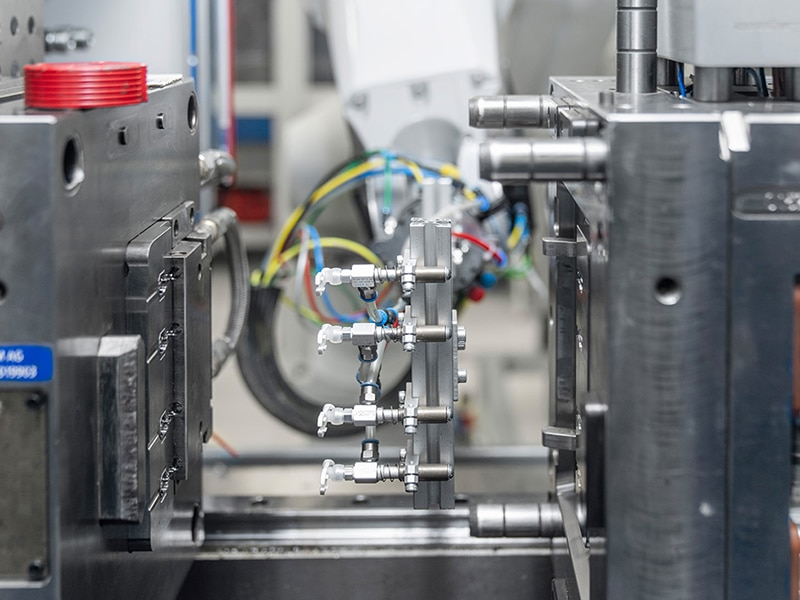
    Low Pressure Injection Molding is a molding and encapsulation process primarily used for protecting sensitive electronic components and assemblies. Unlike conventional high pressure molding, it operates under significantly lower injection pressure, which reduces mechanical stress on delicate parts while still forming a stable protective enclosure.

    The process typically uses hot-melt materials, such as polyamide-based compounds, which are melted and then injected into a mold at low pressure. The material flows around electronic components and solidifies quickly, forming a protective layer without damaging the underlying structure.

    In many applications, this process is used not only to shape a part but also for functional encapsulation. It combines molding and protection in a single step, reducing the need for additional sealing or assembly operations.

    Low pressure injection molding
    Low pressure injection molding

    What Is High Pressure Injection Molding?

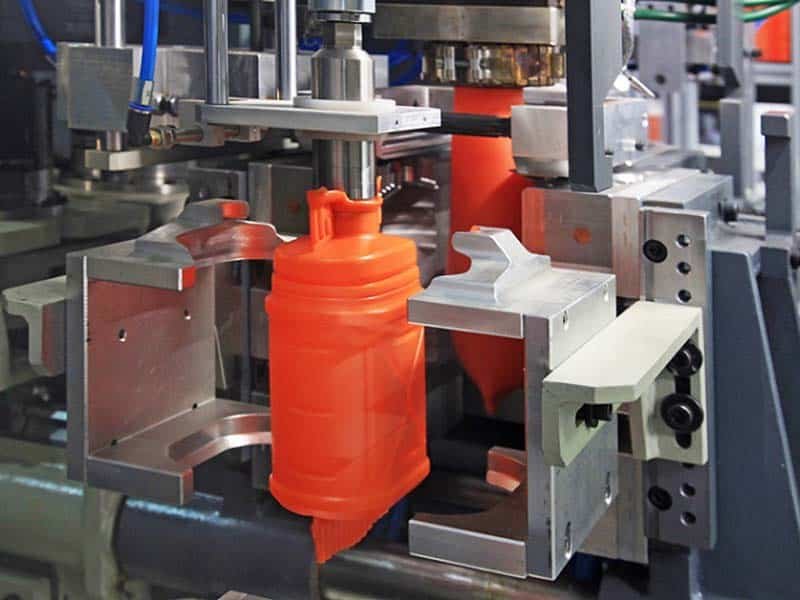
    High Pressure Injection Molding is a widely used manufacturing process for producing precision plastic parts in large quantities. It is particularly effective for components that require high dimensional accuracy, structural strength, and complex geometries.

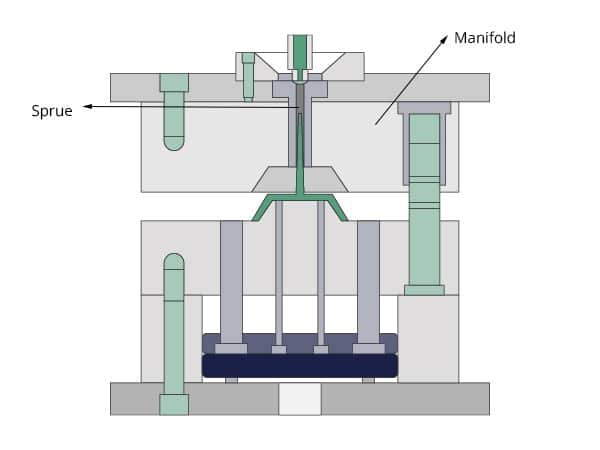
    The process begins with plastic pellets being melted into a fluid state. The molten material is then injected into a pre-designed mold cavity under high pressure. Once the cavity is filled, a holding phase maintains pressure to compensate for material shrinkage during cooling. After the plastic solidifies, the part is ejected from the mold, completing the cycle. This sequence—melting, injection, holding, cooling, and ejection—is repeated for each production cycle, enabling consistent and reliable output.

    High Pressure Injection Molding
    High Pressure Injection Molding

    Low Pressure vs High Pressure Injection Molding Comparison Table

    Low-pressure molding and high-pressure injection molding differ significantly in their process characteristics, suitability for production, and final part performance. The following table provides a clear side-by-side comparison across key factors:

    Comparison Factor Low Pressure Molding High Pressure Injection Molding
    Injection Pressure Low High
    Clamping Force Low High
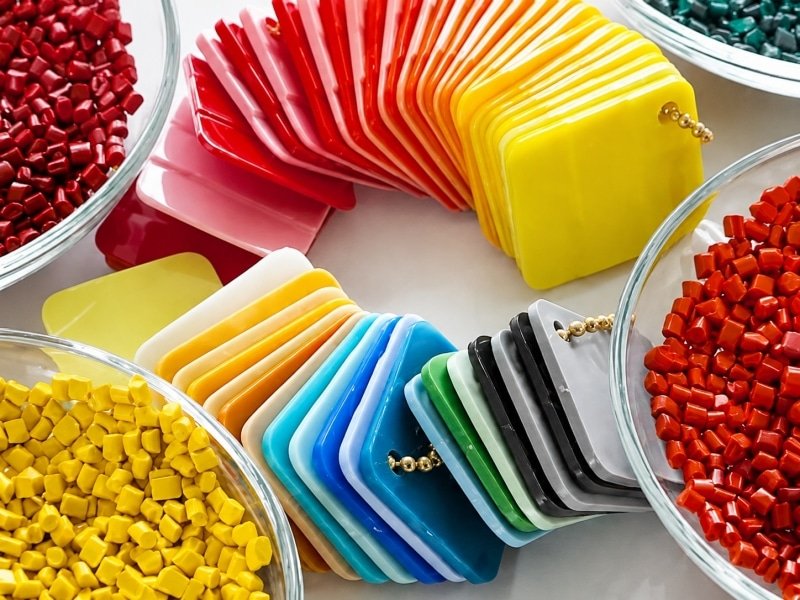
    Material Type Hot melt materials Engineering plastics
    Tooling Cost Lower Higher
    Production Volume Low to medium Medium to high
    Part Strength Moderate High
    Dimensional Accuracy Moderate Excellent
    Sensitive Electronics Compatibility Excellent Limited
    Surface Finish Moderate Excellent
    Manufacturing Speed Fast Very fast

    Material Differences Between Low and High Pressure Injection Molding

    The material system is one of the most important factors when comparing low pressure vs high pressure injection molding. Although both processes involve polymer-based materials, the performance requirements they serve are fundamentally different.

    Materials Used in Low Pressure Molding

    Low pressure molding uses hot-melt-based compounds, often polyamide or polyolefin formulations, that are designed for encapsulation and protection rather than structural loading.

    Key material characteristics include:

    • Flexibility and stress absorption
    • Strong sealing performance
    • Good cushioning capability
    • High resistance to water, dust, and environmental exposure

    These materials are selected not for mechanical strength, but for their ability to flow at low pressure and securely encapsulate sensitive components without causing damage.

    The Common Materials for low pressure molding

    • Polyamide (PA-based hot melt compounds)
    • Polyolefin
    • Co-polyester materials

    Materials Used in High Pressure Injection Molding

    High pressure injection molding typically uses engineering thermoplastics designed for structural and functional performance. These materials are selected based on their ability to withstand mechanical load, thermal stress, and long-term operational conditions.

    Key material characteristics include:

    • High structural strength
    • Strong heat resistance
    • Stable long-term mechanical performance
    • Suitable for load-bearing and functional components

    In practice, these materials are used when the part must maintain rigidity, dimensional stability, and mechanical integrity throughout its service life.

    Common Materials for High Pressure Injection Molding

    • ABS
    • Polypropylene (PP)
    • Polycarbonate (PC)
    • Polyamide (PA)
    • Polyoxymethylene (POM)
    • Polyethylene (PE)
    • Thermoplastic polyurethane (TPU)

    Different Applications Between Low and High Pressure Molding

    Low pressure molding and high pressure injection molding are each optimized for distinct application scenarios. The choice between them depends not only on technical specifications but also on the product’s functional requirements, such as protection needs, structural demands, production volume, and component sensitivity.

    When to Use Low Pressure Molding

    Low pressure molding is typically used in applications where electronic protection, sealing performance, and assembly simplification are the primary design goals. It is particularly effective for integrating protection functions directly into the molding process. Such as:

    • The product contains PCB assemblies or electronic components
    • Waterproof, dustproof, or sealing protection (IP-rated performance) is required
    • Reduction of multiple assembly steps, such as housing + gasket + potting, is desired
    • The part has a complex structure but does not bear a significant mechanical load
    • Electronic components cannot be exposed to high injection pressure
    • Production volume is low to medium

    In these applications, low pressure molding acts not only as a forming process but also as an integrated protection and encapsulation solution. If the core requirement of the product is protection, sealing, and functional integration, low pressure molding is generally more suitable.

    Typical Low Pressure Molding Applications

    • PCB encapsulation
    • Sensors
    • Electrical connectors
    • Wire harness protection
    • LED modules
    • Battery pack sealing and protection
    Low Pressure Molding Products
    Low Pressure Molding Products

    When to Use High Pressure Molding?

    High pressure injection molding is generally selected when the product requires structural integrity, dimensional precision, and stable mass production capability. It is widely used in applications where mechanical performance and repeatability are critical.

    • The part is a structural component (load-bearing, supporting, or assembly base structure)
    • Tight dimensional tolerances are required
    • High surface quality or cosmetic appearance is important
    • Large production volumes with stable cycle production are needed
    • Engineering thermoplastics such as PC, PA, or ABS are used
    • The product does not include sensitive electronic components

    In these scenarios, the process provides consistent forming quality and reliable mechanical performance across high-volume production runs. If the core requirement of the product is structural strength and dimensional precision, high pressure injection molding is generally the more reliable choice.

    Typical High Pressure Injection Molding Applications

    • Automotive interior components
    • Consumer electronics housings
    • Medical device structural parts
    • Industrial equipment components
    • Appliance housings
    • Packaging products
    Automotive Plastic Parts
    Automotive Plastic Parts

    How to Choose Between Low Pressure and High Pressure Injection Molding?

    Selecting between low pressure vs high pressure injection molding is not a theoretical comparison. In real projects, the decision is usually driven by product function, assembly structure, and reliability requirements.

    To avoid incorrect process selection, it is more reliable to evaluate the product using a structured set of questions:

    • Is the part primarily a structural component or a protective enclosure?
    • Does the product include PCB assemblies or sensitive electronic parts?
    • Is waterproof or sealing performance required at the system level?
    • What is the expected production volume and cycle stability requirement?
    • Does the design require engineering-grade thermoplastics?
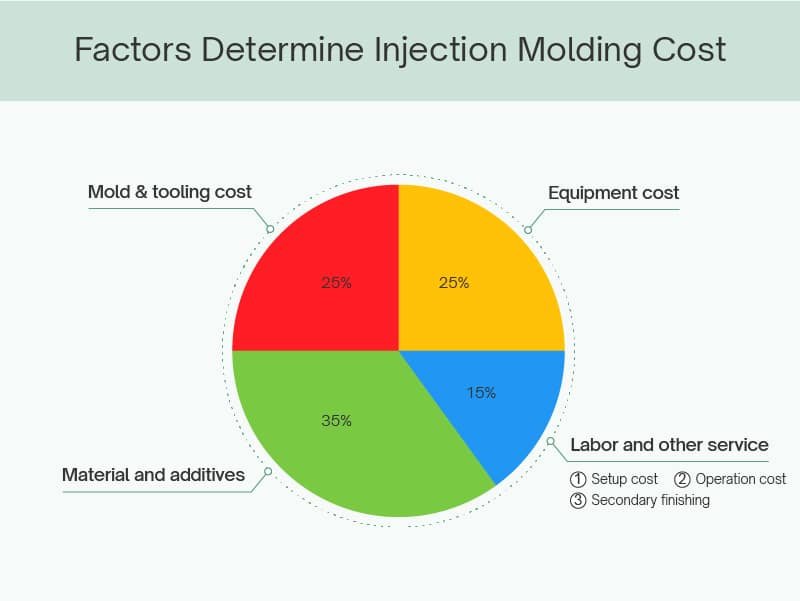
    • Is the cost focus more on tooling investment or per-unit manufacturing cost?

    Real-World Examples

    We cannot simply categorize an injection molding method into a specific industry. When considering low pressure vs high pressure injection molding, the choice depends on the specific function of the part and the performance requirements.

    Automotive

    • Low pressure molding is widely used for automotive sensors, protecting delicate electronic components from vibration, moisture, and dust.
    • High pressure injection molding is applied to parts such as dashboard frames, trim supports, and other load-bearing interior components where dimensional stability and strength are critical.

    Electronics

    • Printed circuit boards and other electronic assemblies are often encapsulated using low pressure molding to ensure protection without damaging components.
    • Consumer electronics housings or rigid enclosures are commonly produced with high pressure injection molding for high strength, surface finish, and durability.

    Conclusion

    The comparison of low pressure vs high pressure injection molding should not be viewed as a competition between two alternative processes. In practice, they are designed to solve different categories of engineering and manufacturing problems. As a custom injection molding manufacturer, we support clients in evaluating these requirements at the early design stage. By analyzing product structure, material needs, and application environment, we help ensure that the selected process aligns with both performance targets and production efficiency.
    Share Article

    You May Also Like These Articles

    In the design of plastic parts for injection molding, every feature, dimension, and detail requires

    Snap fit joints, also known as snap hooks, snap fasteners, or retention positions, are a

    Injection molding ejector pins are crucial for ensuring injection molded parts are efficiently and safely

    On-demand manufacturing offers a flexible and efficient alternative to traditional manufacturing models. This innovative approach

    Off topic, but a fun fact: When you look at a plastic bottle cap under

    Clear injection molding parts are commonly used in medical devices, electronic housings, lighting components, and

    Online Message

    If you are interested in our products, you can leave us a message via the form below and we will get back to you within 8 hours!