Plastic CNC Machining Service

Custom plastic CNC machining for precision parts with tight tolerances, fast turnaround, flexible designs, and reliable quality.

Our CNC Machining Capabilities

Depending on your part's geometry, we apply one or a combination of the following processes to bring it from stock material to finished dimensions.
what is cnc milling

CNC Milling

Removes material from a stationary block or plate to create flat surfaces, pockets, slots, and contoured features.

CNC Turning

Shapes rotationally symmetric parts by rotating the stock against a stationary tool.
cnc turning
3, 4 & 5-Axia Machining

3, 4 & 5-Axis Machining

Uses simultaneous tool movement across multiple axes to reach angled or multi-sided features in fewer setups.

Drilling & Tapping

Adds through-holes, blind holes, and internal threads directly into the plastic.
drilling

Material Selection for Plastic CNC Machining

Machinability, heat resistance, and chemical resistance vary between plastic types, making material selection critical for part performance and cost. We offer a wide range of machinable plastics with material modification support to meet specific application requirements for your specific application, including:
abs injection molding

ABS

ABS (Acrylonitrile Butadiene Styrene) is a tough, durable thermoplastic commonly used for products that need to withstand impact and stress, such as automotive components, consumer electronics, and household goods.

The key advantages of ABS injection molding include its excellent strength-to-weight ratio, impact resistance, and ease of customization.
polycarbonate injection molding

PC

PC (Polycarbonate) material is a high-performance plastic known for its excellent strength, optical clarity, and heat resistance. PC is ideal for applications requiring both mechanical durability and visual appeal. PC injection molding offers advantages such as precise molding of complex shapes in tight tolerances, making it a good choice for producing high-quality, intricate components.
Nylon injection molding

PA

PA (Polyamide), commonly known as Nylon, is a thermoplastic material known for its excellent mechanical properties, such as high strength, toughness, and wear resistance, it also offers good resistance to chemicals, oils, and abrasion.

Nylon injection molding allows for creation of complex, high-precision parts with excellent surface finish and dimensional stability. The reinforced with glass fibers or other additives enhaces it is strength and rigidity.
pp injection molding

PP

Polypropylene (PP) is a commonly used thermoplastic material in injection molding due to its lightweight, durable, and chemical-resistant properties. It is highly resistant to acids, bases, and organic solvents, it also offers low moisture absorption and excellent fatigue resistance.

PP injection molding offers good flow characteristics and high molding efficiency, it can be molded into a wide range of complex shapes with fine details.
pmma injection molding

PMMA

PMMA, often referred acrylic or acrylic glass, is a transparent thermoplastic know for its excellent optical clarity, UV stability, and high impact resistance

PMMA injection molding offers good flowability and the ability to create intricate, high-quality parts. It can be molded into complex shapes with precision and a glossy finish.
pom injection molding

POM

POM (Polyoxymethylene), also knows as acetal, is a engineering plastic offers outstanding mechanical porperties, commonly used in injection molding for parts requiring high strength, low friction, and excellent dimenisonal stability.

POM injection molding is a process to produce complex, high-precision component with efficient production cycles.
ldpe injection molding

LDPE

LDPE is a widely used thermoplastic polymer with lightweight, flexible, and durable properties. It has a low density of approximately 0.917 to 0.930 g/cmÂł, and has a relatively low melting point, making it easy to mold into a variety of shapes.

LDPE injection molding has low-cost and ease to processing which make it a popular choice for high-volume manufacturing.
hdpe injection molding

HDPE

HDPE (High-density Polyethylene) is a thermoplastic with high strength-to-density ratio which has excellent chemical resistance, low moisture absorption, and can perform well in outdoor envionment.

HDPE injection molding is a highly efficient process for mass production, and able to produce HDPE parts with high stiffness and excellent impact resistance.
pvc injection molding

PVC

PVC (Polyvinyl Chloride) comes in two primary forms: rigid and flexible. Rigid PVC is commonly used for pipes, fittings, and profiles, while flexible PVC often used as cables and flooring. PVC is widely used in range of industrial as it is resistant to chemicals, abrasion, and weathering

PVC injection molding parts have excellent dimensional stability and its highly cost-effective.
ptfe injection molding

PTFE

PTFE (Polytetrafluoroethylene) is a high-performance plastic that can be used for application that demand superior perforamce in harsh environments.

PTFE injection molding can be challenging due to its high melting point and low flowability. However, PTFE molded components offer excellent durability, low friction, and resistance to corrosion and electrical conductivity.
ps injection molding

PS

PS (Polystyrene) is a rigid, transparent thermoplastic material. Polystyrene is commonly used in applications where transparency is important, such as packaging, disposable cutlery, and cosmetic containers.

Polystyrene injection molding is ideal for high-volume production of simple and lightweight parts. It offers good dimensional stability and can be easily molded into complex designs.
polyurethane injection molding
PU (Polyurethane) is known for its excellent flexibility, durability, and board range of hardness. It is an ideal choice for high-performance applications in industries like automotive, medical devies, and consumer goods, the vibraion dampening and sound absorption properties also maket it valuable for components needing noise reduction. PU injection molding often uses to produce large, complex parts with varying wall thickness. It is ideal for high-volume parts that require consisent quality and tight tolerances.

One-Stop Solution for Plastic CNC Machining

From pre-production design review to mass production, surface finishing, and assembly, we support plastic parts through every stage of the CNC machining process.
1design review
capabilities
plastic bead blasting
assembly service

Advantages of Plastic CNC Machining

With advanced CNC capabilities, we help you produce plastic parts with the accuracy, flexibility, and efficiency required for your application. Our plastic CNC machining services offer the following advantages:

Where Our CNC Plastic Parts Are Used

We provide high-precision CNC plastic machining services, providing parts that meet the performance, durability, and reliability standards these industries demand, including:

Plastic CNC Machining FAQS

For precision features, we can achieve tolerances down to ±0.025 mm (±0.001 in) with proper machining conditions.
Yes. Materials such as acrylic (PMMA) and polycarbonate can be CNC machined. Additional finishing processes can be used to improve surface clarity when required.
The right material depends on factors such as mechanical load, temperature, chemical exposure, wear requirements, and operating environment. We can help match material properties to your application needs.
Yes. Engineering plastics like PEEK, POM, and PA offer good strength-to-weight ratios, corrosion resistance, and lower cost, making them a practical substitute for metal in applications like housings, brackets, and low-load structural parts. For high-strength, high-heat, or heavy-load applications, metal usually remains the better choice.

Ready to Start Your Plastic CNC Machining Program?

Upload Your CAD File or 2D Drawing

We value the relationships we build with our customers. If you have questions about our services, need support, or just want to chat about your project, we're happy to help. Reach out to us anytime, and let's start working together to bring your ideas to life.

Blogs & News

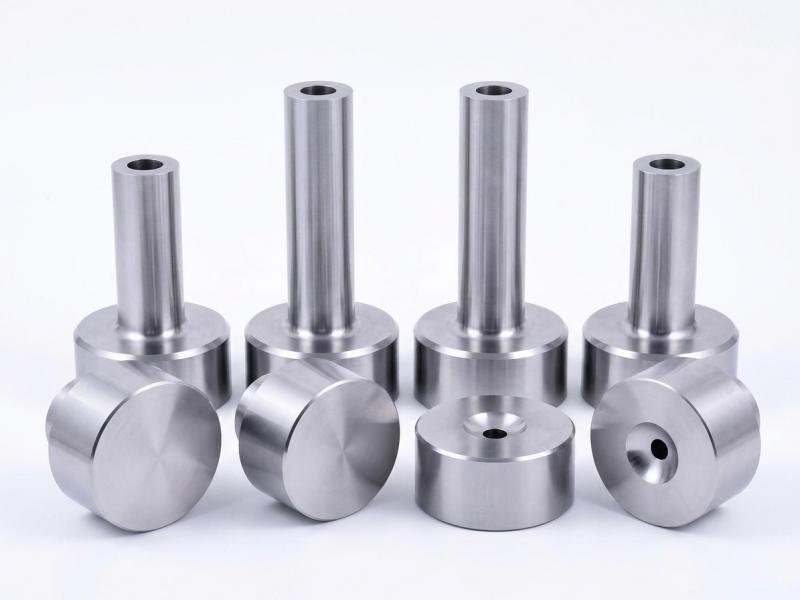
Precision molds play a critical role in the dimensional accuracy, repeatability, and fit of injection-molded

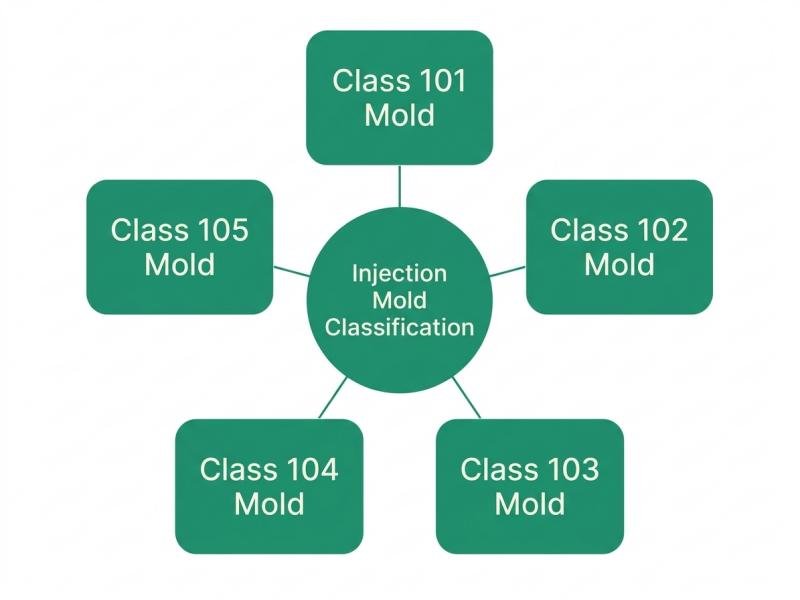
Injection mold classification provides a practical way to compare tooling options by expected mold life

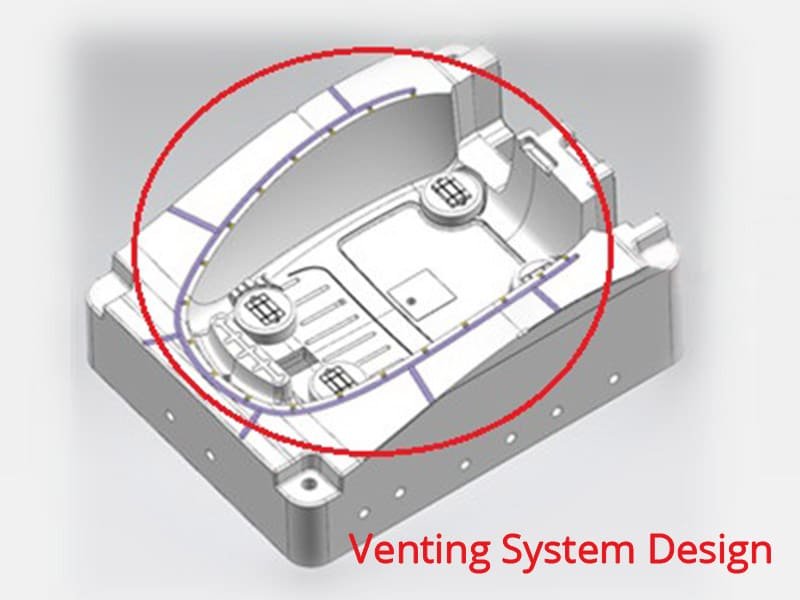
A mold can have the right cavity dimensions and gate layout yet still produce defective

Two cavities in the same mold can produce parts with different weights, dimensions, or surface

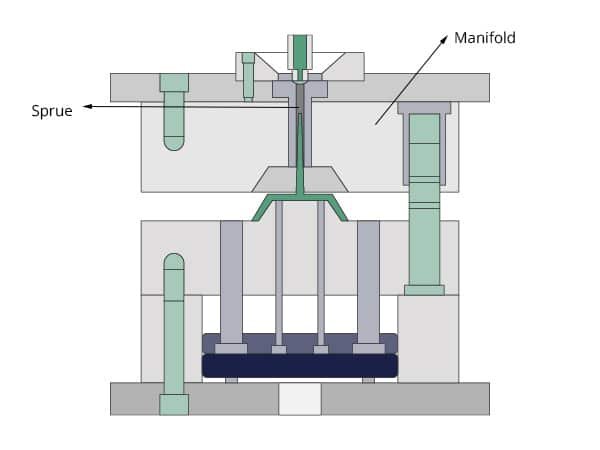
When a mold produces several parts in one cycle, the way molten plastic flowsthrough the

Making a flawless plastic component requires absolute precision from the initial design phase to final