
PTFE Injection Molding
PTFE injection molding delivers unmatched chemical resistance, thermal stability, and low friction properties for high-performance applications.

Erye Offer PTFE Injection Molding Service to Your Specific Needs!
Polytetrafluoroethylene (PTFE), commonly known by the brand name Teflon, is a high-performance fluoropolymer with exceptional chemical resistance, low friction, and high-temperature stability. Unlike conventional thermoplastics, PTFE injection molding requires specialized processing due to its high melting point and non-melt-flow characteristics. With extensive experience in teflon injection molding, we provide high-quality, reliable parts for industries requiring extreme durability, including medical, aerospace, and semiconductor applications.
- Low-volume and high-volume production
- Small to large part size
- Free & fast DFM report
- No mininum order quantities
- T1 samples as fast as 10 days
PTFE Injection Molding Service
| Service | Details |
|---|---|
| Maximum Part Size | 2500mm x 2000mm (98 in. x 78 in.) |
| Recommended Wall Thickness | 1.5 mm and 6.0 mm(0.060 to 0.250 inches) |
| Color Options | Any color according to RAL or Pantone Code |
| Standard Finishes | SPI and VDI |
| Mold Ownership | Customer owned with mold maintenance |
| Mold Life | Unlimited (If the PTFE mold worn out, Erye will cover the cost of new mold) |
PTFE Injection Molding Design Guide
Designing injection molded PTFE components requires careful consideration due to the material’s unique properties, such as its high melt temperature, low surface energy, and lack of melt flow. To ensure manufacturability and performance, follow these key design guidelines:
| Item | Description |
|---|---|
| Wall Thickness | Maintain uniform wall thickness (typically 1.5–3 mm) to prevent warping and ensure even sintering. |
| Draft Angles | Use at least 1–3° draft to facilitate part ejection from the mold. |
| Undercuts & Sharp Edges | Avoid complex undercuts and sharp internal corners to minimize stress concentrations. |
| Gate Placement | Position gates strategically to allow even filling and reduce defects like voids or incomplete fills. |
| Shrinkage Allowance | PTFE has a high shrinkage rate (2–5%), requiring careful compensation in mold design. |
| Post-Molding Sintering | Sintering at 350–400°C is necessary to achieve full material strength and remove internal stresses. |
| Tolerance Control | Due to shrinkage, achieving tight tolerances requires secondary machining or precision finishing. |
Start Teflon Injection Molding Project
Get high-quality Teflon injection molded parts! Contact with Erye to request a quote!
Advantages of PTFE Material in Molded Parts
Exceptional Chemical Resistance
PTFE resists almost all industrial chemicals, acids, solvents, and corrosive fluids.
Extremely Low Friction
PTFE has one of the lowest coefficients of friction among solid materials. PTFE parts slide smoothly without lubrication.
Excellent High-Temperature Resistance
PTFE can continuously operate around 260°C (500°F). It maintains performance in environments where many plastics fail.
Good Weather and UV Resistance
PTFE handles outdoor exposure extremely well without degrading quickly.
Disadvantages of PTFE Injection Molding
Difficult to Injection Mold
Pure PTFE does not flow like standard thermoplastics during melting. Traditional injection molding machines usually cannot process virgin PTFE effectively.
Very High Material and Processing Cost
PTFE resin is much more expensive than common injection molding plastics, and specialized equipment and secondary sintering processes increase manufacturing costs.
Tight Processing Control Required
PTFE processing involves careful temperature management and sintering cycles to avoid defects.
PTFE Injection Molding Application

Industrial & Chemical
- Valve seats and seals
- Chemical-resistant gaskets
- Pump housings and diaphragms
- Corrosion-resistant pipe fittings

Electronics
- High-voltage insulators
- Microwave and RF components
- Semiconductor wafer carriers
- Precision electrical connectors

Medical & Healthcare
- Surgical instrument components
- Catheter liners and guidewire coatings
- Biocompatible tubing and seals
- Non-stick medical trays and containers

Food Processing
- FDA-compliant non-stick coatings
- Food-grade valve components
- Heat-resistant conveyor belts
- Low-friction kitchenware components
Additonal Options for PTFE Parts
What Exactly is PTFE Plastic?
Polytetrafluoroethylene (PTFE) is a high-performance fluoropolymer known for exceptional chemical resistance, ultra-low friction, non-stick properties, and a wide operating temperature range. PTFE is commonly used for seals, gaskets, valve seats, bushings, insulators, and fluid handling components where conventional plastics cannot meet harsh operating requirements.
MATERIAL
PTFE
POLYTETRAFLUOROETHYLENE
THERMOPLASTIC
MATERIAL FAMILY
HIGH-PERFORMANCE FLUOROPOLYMER
DENSITY
2.14-2.20 g/cm³
SHRINKAGE RATE
3.0%-5.0%
TENSILE STRENGTH
20-35 MPa
WORKING TEMPERATURE
-200°C to 260°C
COEFFICIENT OF FRICTION
0.05-0.10
KEY CHARACTERISTICS
Chemical Resistance
Low Friction
Non-Stick Surface
Electrical Insulation
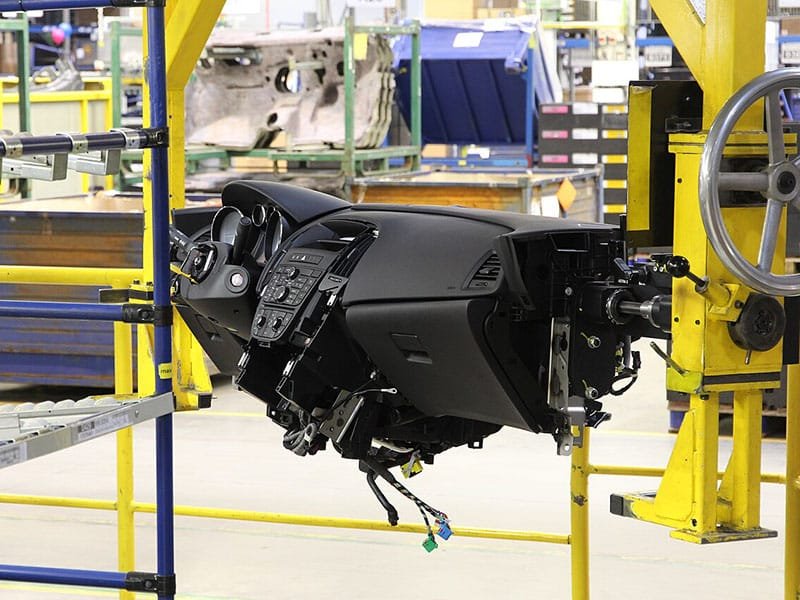
Case Study
Case Study of Automotive Car Dashboard Molding
Learn how we helped an automotive client develop a custom injection mold for a car dashboard. From material selection to mold design, we delivered a complete solution for automotive industry!
Related PTFE Injection Molding Resources

Short shot injection molding (underfilling, lack of material) refers to the molten plastic in the
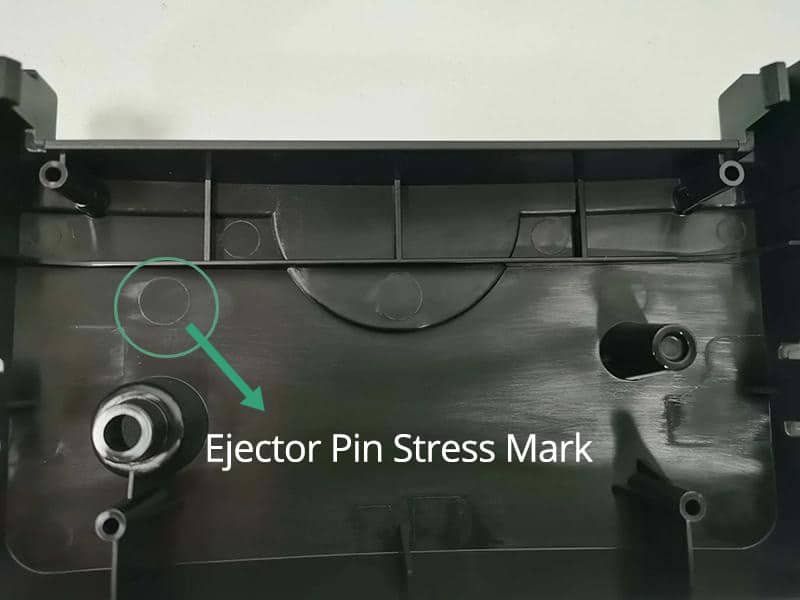
Ejector pin marks are a common defect on molded parts, appearing either as indentations or
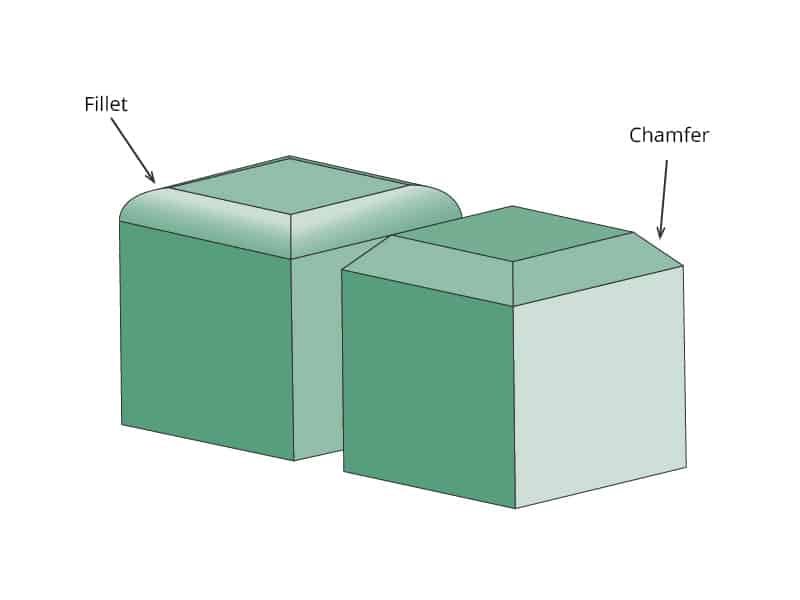
Fillet vs chamfer are edge treatment that far more than aesthetic features in engineering drawing.