Rubber Compression Molding Service
We Offer Rubber Compression Molding Service Specific to Your Needs!
Rubber compression molding is a method to shape rubber by placing a measured preform into a heated mold, then closing it with pressure and heat. The rubber cures under these conditions to match the mold cavity. This is a dependable way to make parts like seals, gaskets, and other flexible components with solid material performance.
At Erye Molding, we can provide professional rubber compression molding services that guide your part from concept to production with technical precision and practical insight.- In-house Mold & Tooling design and production to lower your upfront investment.
- Flexible part size range whether small or thick, simple or large.
- A wide range of rubber types including silicone, EPDM, neoprene, etc.
- Strong repeatability that ensure your parts stay consistent quality from batch to batch.
Rubber Compression Molding Process
STEP1
Mold & Preform Preparation
STEP2
Loading & Mold Closure
STEP3
Heat, Pressure & Cure
STEP4
Demolding, Trimming & Inspection
Available Rubber Compression Molding Materials
We offer a wide range of rubber materials for compression molding, composite materials are also available upon request.
- MVQ/Silicone
- EPDM (Ethylene Propylene Diene Monomer)
- NR (Natural Rubber)
- NBR (Nitrile Butadiene Rubber)
- CR/Neoprene (Chloroprene Rubber)
- SBR (Styrene-Butadiene Rubber)
- IIR/Butyl (Isobutylene isoprene rubber)
- FKM (Fluoroelastomer)
- FFKM (Perfluoroelastomer)
Rubber Compression Molding Components
These are examples of rubber products we typically make by compression molding.
- O-rings & Seals: Used to prevent fluid or gas leaks in pumps, valves, and hydraulic systems.
- Gaskets: Used between mating surfaces (e.g. engine covers, pipe flanges) to seal against pressure, oil, or moisture.
- Bushings / Vibration Mounts: Used in machinery or vehicles to absorb vibration, reduce noise, and protect components.
- Diaphragms: Thin flexible membranes used in valves, pressure sensors, or fluid control devices to separate chambers or control flow.
- Protective Boots / Covers: Used to shield moving joints, cables or connectors from dust, water, or environmental damage.
- Over-Molded Components: Used where a rubber sealing or flexible interface is bonded to a rigid substrate (metal/plastic) for durability or sealing in automotive, industrial, or electronics.
Features of Rubber Compression Molding
-
Advantages
- Lower tooling cost and simpler mold designs.
- Good for large, thick parts that need long cure times.
- Versatility with many rubber types, including high viscosity compounds.
- Efficient for low to medium volume production runs.
- Ability to include inserts or bond rubber to metal substrates.
- Minimal scrap when mold is well-designed; runners/gates often unnecessary.
- Lower machine complexity and simpler maintenance.
-
Disadvantages
- Longer cycle times, especially with thick or large parts.
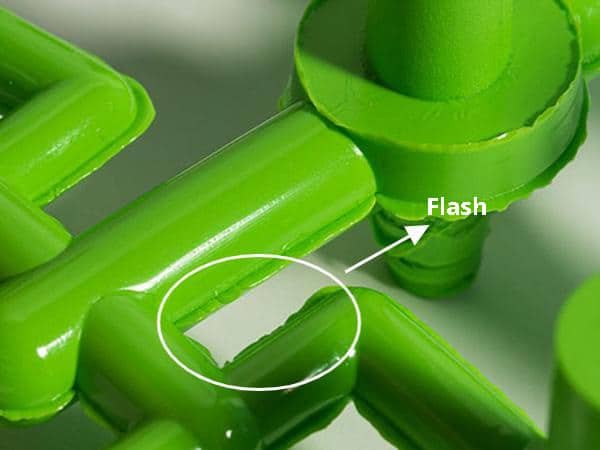
- Flash formation at parting lines, requiring trimming.
- Mold wear and maintenance demands under high pressure/temperature cycles.
- Less suitable for very high production volumes compared to injection molding.
- Limited design flexibility for parts with undercuts, very thin walls, or sharp internal features.
Compression Molding Guide
Rubber Compression Molding FAQs
Related Resources of Rubber Compression Molding
Fillet vs chamfer are edge treatment that far more than aesthetic features in engineering drawing.
Thin wall injection molding is a specialized manufacturing process that focuses on creating lightweight plastic
In injection molding, a cavity is the hollow (negative) space inside a mold that defines
In today’s fast-paced market, businesses are constantly seeking ways to improve supply chain efficiency. A
The injection molding cost varies depending on a variety of factors, such as material choice,
Injection pressure is a fundamental factor in the injection molding process, directly influencing part quality,