Two-shot injection molding has become an effective solution for producing complex plastic parts that require multiple materials, colors, or functions. By integrating different materials into a single component, it helps manufacturers improve product performance and achieve greater design flexibility. In this guide, we will explore how the two-shot injection molding process works, compare it with overmolding, discuss its key advantages and applications, and highlight important design considerations for successful production.
What Is Two-Shot Injection Molding?
Two-shot injection molding is an advanced plastic manufacturing technique that containing two material characteristics within a single molding cycle to produce parts. It is also commonly known as 2K molding, double-shot molding, dual-shot molding, multi-shot injection molding, or two-component molding.
Unlike conventional injection molding, two-shot molding integrates two different materials or two variations of the same material into one finished part. Each material can provide specific functional, such as enhanced durability, soft-touch surfaces, or visual contrast.

The Two-Shot Injection Molding Process
Two-shot molding completes the entire manufacturing cycle within one machine operation. Although two-shot injection molding follows the basic principle of conventional injection molding, it requires additional steps and specialized equipment to integrate the second material.
In the first injection stage, the primary resin is injected into the mold cavity to create the base structure of the part. After the first material is formed and partially cooled, the mold moves into the next position while keeping the initial molded section in place.
During the second injection stage, the secondary material is injected into another mold cavity and molded onto the first-shot component. The two materials remain in contact during cooling, allowing them to create a strong bond and become a single integrated part. Once the cooling process is complete, the finished component is removed from the mold.
Two-Shot Injection Molding vs Overmolding
Two-shot injection molding and overmolding are both methods used to combine multiple materials into a single plastic part. However, they differ in some aspects.
Advantages of Two-Shot Injection Molding
Two-shot injection molding provides manufacturers with an efficient way to produce multi-material components in a single molding cycle. Here are some advantages of two-shot injection molding.
Reduce Costs
Two-shot molding eliminates extra assembly, welding, and bonding steps. This helps reduce labor requirements. By molding multiple materials together instead of producing separate components, it can reduce material waste and minimize production expenses. Understanding the factors that influence injection molding costs can help to evaluate the long-term cost benefits of using two-shot molding for the projects.
Improve Production Efficiency
Two-shot injection molding can shorten the overall manufacturing timeline by completing multiple material applications within one cycle. It leads to faster production, fewer assembly-related errors, and improved workflow efficiency.
Enhance Product Quality and Durability
During the molding process, compatible materials can create a strong molecular bond, reducing the risk of separation between different layers or components. So two-shot molded products often provide better structural integrity, improved sealing performance, and increased durability.
Greater Design Flexibility
Two-shot molding allows engineers to combine materials with different characteristics, such as rigid and flexible plastics, transparent and opaque resins. This enables the development of complex parts with multiple functions and customized surface textures.
Better Appearance and User Experience
Manufacturers can use different materials to achieve both functional and aesthetic benefits within the same component. For example, a rigid plastic substrate can provide structural support, while a soft-touch material can be added to improve comfort, and tactile performance.
Applications of Two-Shot Injection Molding
Two-shot injection molding is widely adopted in industries that require parts with multiple materials, improved functionality, or enhanced appearance.
- Automotive Industry: Two-shot injection molding is commonly used for interior components. It combines rigid with flexible materials to improve both performance and user comfort.
- Consumer Electronics: Two-shot injection molding is commonly used for electronic housings, handheld devices, control components, and protective accessories, where different materials provide better aesthetics, durability, and tactile experiences.
- Medical Device:Two-shot molding is widely used for medical instruments, equipment enclosures, and healthcare components, allowing manufacturers to integrate rigid and flexible materials for improved functionality and user comfort.
- Industrial Machinery: Common applications include tool components, equipment handles, and protective machine parts, where two-shot injection molding is used to improve product durability, handling performance, and resistance to demanding working conditions.

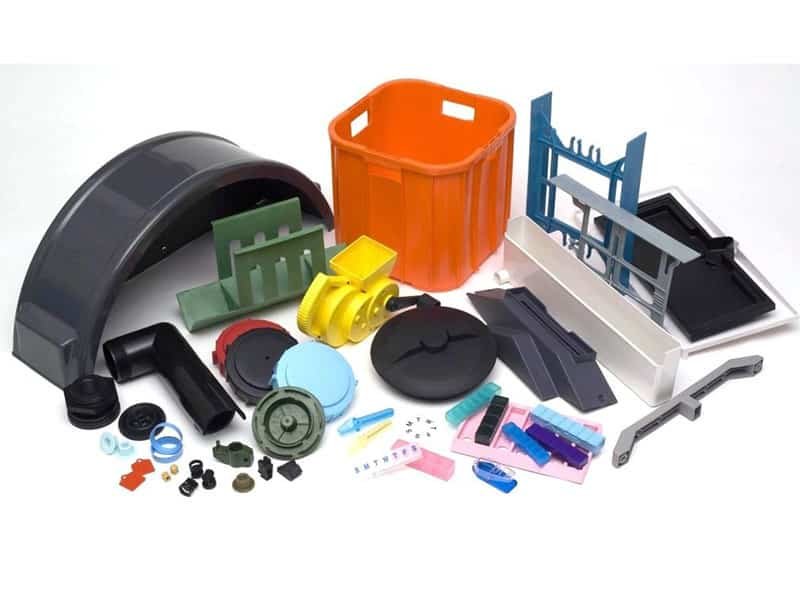
Two-shot injection molding prroduct

Design Guidelines for Two-Shot Injection Molding
Designing a successful two-shot injection molded part requires careful consideration of material selection, mold design, and manufacturing conditions.
Select Compatible Materials
Material compatibility is one of the most important factors in two-shot injection molding. Since two different polymers are molded together, the materials must achieve sufficient bonding strength to prevent separation during product use.
Different materials provide different properties, such as shrinkage, rigidity, flexibility, impact resistance, and surface feel. However, not all materials can bond effectively with each other. Common material combinations include ABS + TPE, PC + TPU, and PP + TPE, which are often selected to combine rigid structural support with flexible or soft-touch features.
Tooling Design Considerations
The design of injection molding tooling has a direct impact on the quality and reliability of two-shot molded parts. For example, the bonding area between materials is an important consideration. Features such as increased contact surfaces, grooves, ribs, or textures can improve the connection between materials and enhance product durability.
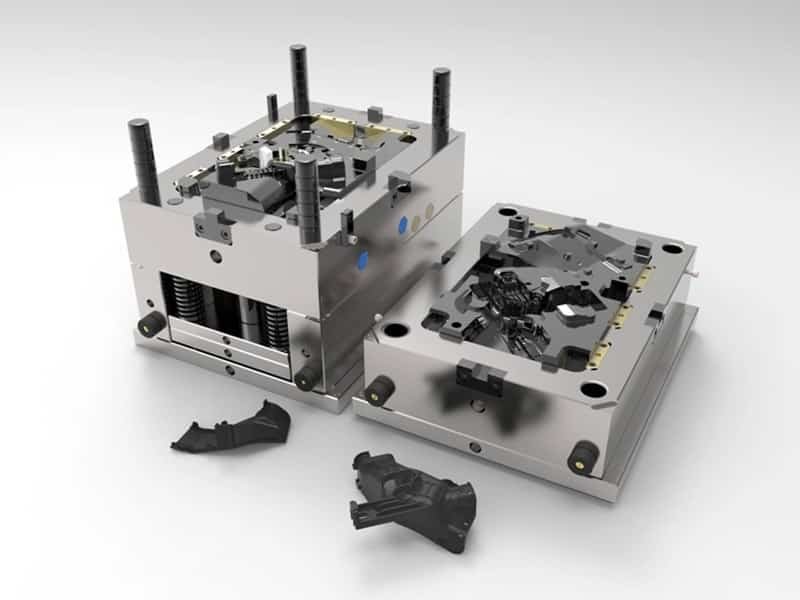
Because two-shot injection molding requires two materials to be accurately positioned within one mold, the tooling structure must also provide precise alignment and stable operation.
Design Validation Before Production
Before moving into mass production, validating the two-shot molding design can help identify potential issues and improve production reliability. Methods such as mold flow analysis, prototype testing, and trial molding help optimize the process before large-scale manufacturing begins.
Early validation can reduce development risks, avoid costly tooling modifications, and improve the efficiency of the final production process.
Conclusion
Two-shot injection molding provides an efficient solution for producing multi-material components with improved functionality, appearance, and durability. By combining two different materials in a single molding process, manufacturers can enhance product performance, and create more complex designs. Whether you are developing a new product or looking for a manufacturing partner for existing projects, our team can provide customized injection molding service to meet your requirements. As a professional injection molding factory, Erye will be your best partner.