
Most people don’t realize how many everyday objects are made of injection molding. Your phone case, the trim inside a car’s dashboard, the housing on a kitchen appliance — a huge share of the plastic parts around you were made the same way. Behind these widely used plastic components is a carefully controlled manufacturing process. Understanding how injection molding works helps make better decisions regarding material selection, tooling requirements, and production planning.
What is Injection Molding
Injection molding is a manufacturing process used to produce plastic parts by injecting molten material into a precision mold under high pressure. Once the material cools and solidifies, the finished part is ejected, and the cycle repeats. Known for its high precision, consistency, and cost-effectiveness, injection molding is ideal for manufacturing complex plastic components across industries such as automotive, medical, electronics, consumer products, and industrial equipment.
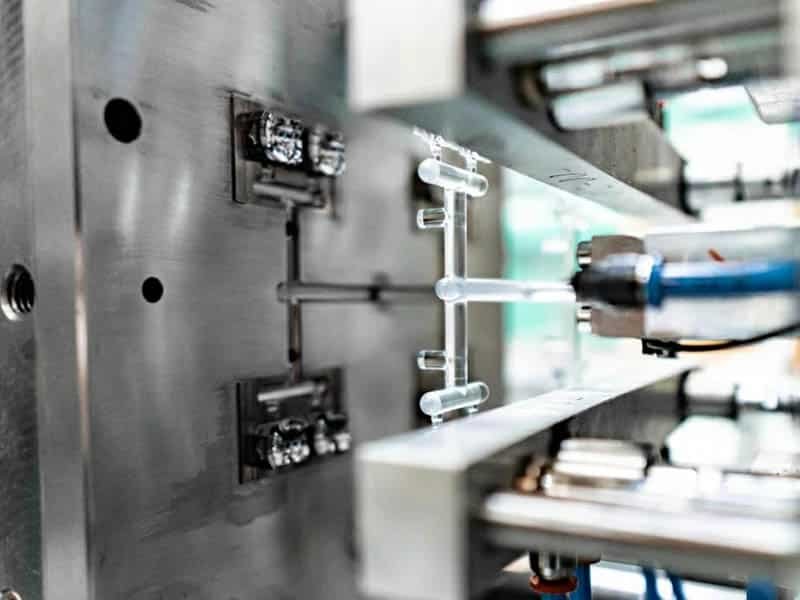
Process of Injection Molding
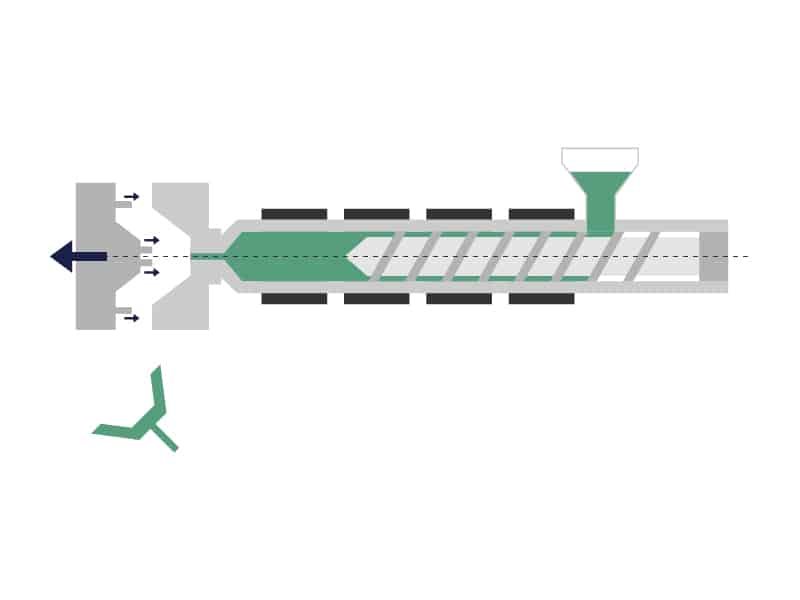
The injection molding process helps manufacture parts using plastic, which may have different sizes, applications, and levels of complexity. The entire process consists of different stages, and the details of the step-by-step manufacturing process are discussed below:
1. Clamping
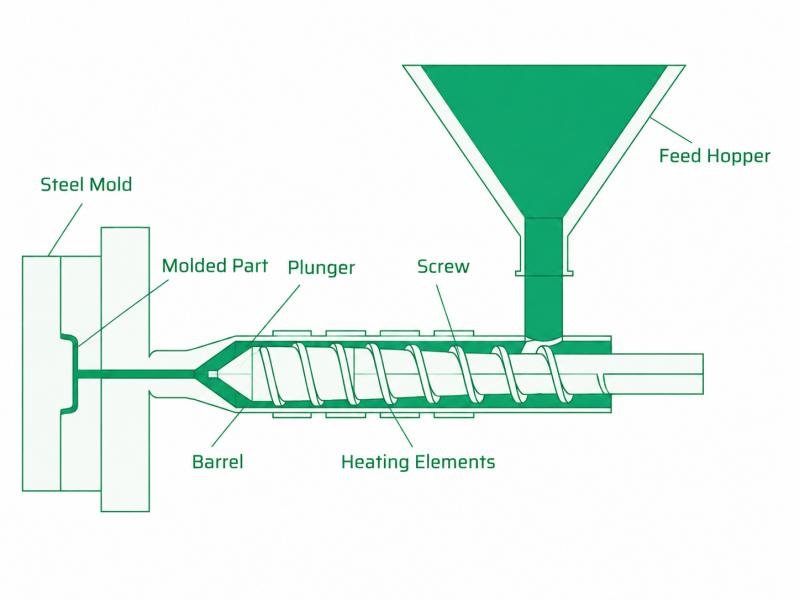
Clamping consists of attaching the injection molding machine to the clamping unit, and this unit then pushes the mold close to the cavities by exerting sufficient force. It holds the mold and moves it according to the instructions of the machine when the cavities are required to be filled.
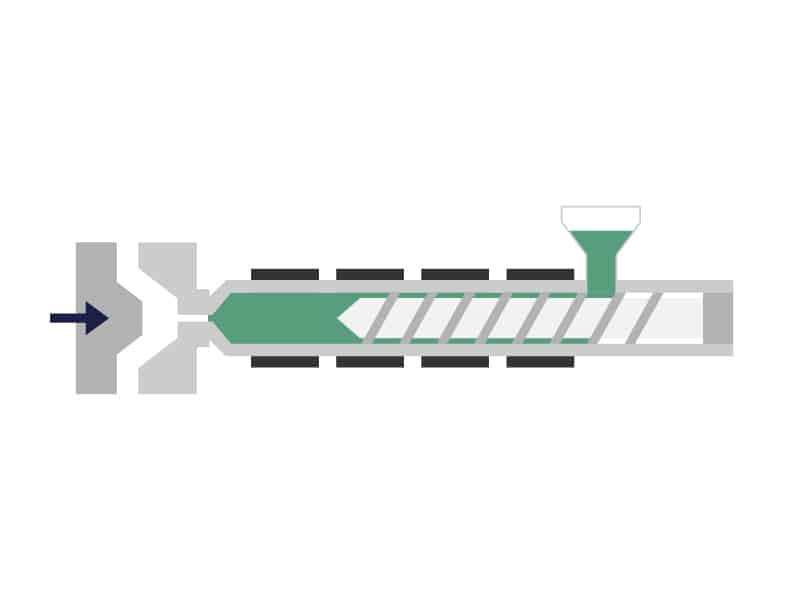
It is important to evaluate the size of the molding press when selecting the clamp, as it determines mold placement and overall machine compatibility. Proper clamp setup is critical to the injection molding process, ensuring stable operation and optimal performance.
2. Injecting the Resin
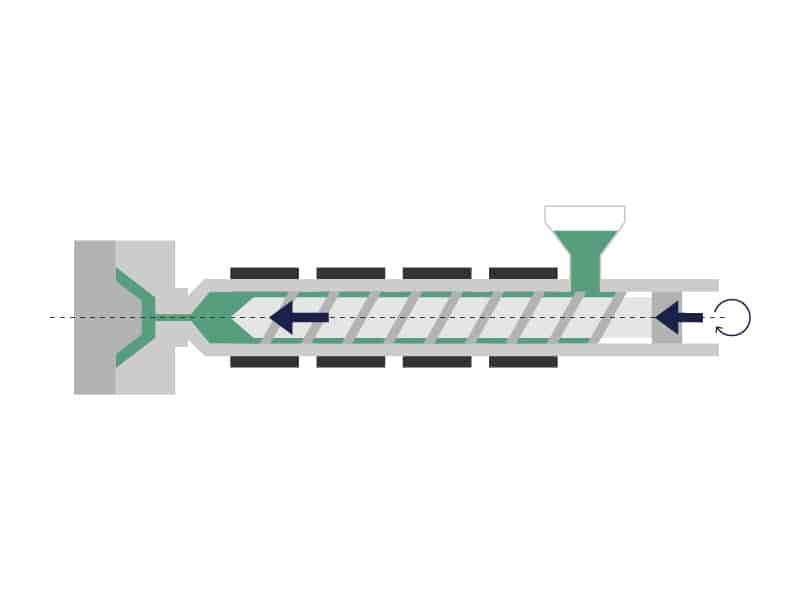
The second stage is feeding the raw material ( plastic resin) into the injection molding press. The raw plastic resin is melted after being heated and subjected to pressure. The injection unit melts and delivers the plastic, which is then injected into the mold cavity where the molten material is held and shaped.
3. Cooling Stage
Once the process of pouring the molten plastic is carried out, the next stage is the stage of cooling. When the molten plastic comes into contact with the mold’s interior surface, the cooling starts to take place.
4. Removing Component from Mold
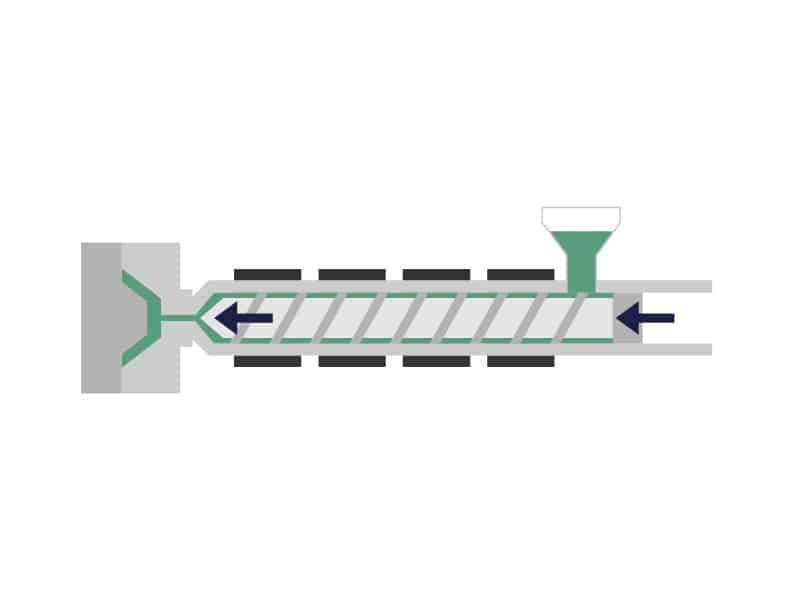
Once the cooling time has elapsed, the stage of ejection or removal of components takes place. The clamping unit opens the mold, and the ejection mechanism pushes the element out. Once the component has ejected, the mold closes back again, and it becomes ready for starting the next cycle.
Materials of Injection Molding
Material selection plays an important role in injection molding. Different applications require different plastic materials based on factors such as strength, temperature resistance, flexibility, and chemical resistance.
Common injection molding materials include:
- Polypropylene (PP) and Polyethylene (PE): Lightweight plastics with excellent chemical resistance and flexibility, commonly used for consumer products, packaging, and general-purpose components.
- ABS and Polystyrene (PS): Engineering and general-purpose plastics offering good balance of strength, rigidity, and surface appearance for housings, electronic components, and consumer products.
- Polycarbonate (PC) and PMMA (Acrylic): Transparent materials with high impact resistance or optical clarity, often selected for lenses, covers, and display components.
- Nylon (PA) and POM (Acetal): Engineering plastics known for wear resistance, dimensional stability, and low friction, suitable for mechanical parts and moving components.
Factors Affecting Injection Molding Quality
The quality of injection molded parts is influenced by multiple factors throughout the manufacturing process. Proper control of mold design, material preparation, and injection molding parameters helps achieve consistent dimensions, better surface appearance, and reliable part performance.
- Mold Design: The mold structure directly affects material flow, cooling efficiency, and part accuracy. Proper gate location, venting, and cavity design help reduce defects such as short shots, weld lines, and deformation.
- Material Drying: Moisture in plastic materials can cause surface defects, bubbles, and reduced mechanical properties during molding. Proper drying is especially important for moisture-sensitive materials such as nylon (PA), PC, and PET.
- Injection Pressure: Injection pressure controls how effectively molten plastic fills the mold cavity. Insufficient pressure may result in incomplete filling, while excessive pressure can increase internal stress and cause flash.
- Cooling Control: Cooling conditions affect part shrinkage, dimensional stability, and cycle time. Uneven cooling may lead to defects such as warpage and sink marks.
- Mold Temperature: Mold temperature influences melt flow, surface finish, and part quality. Maintaining the appropriate temperature helps improve appearance, reduce defects, and achieve more consistent results.
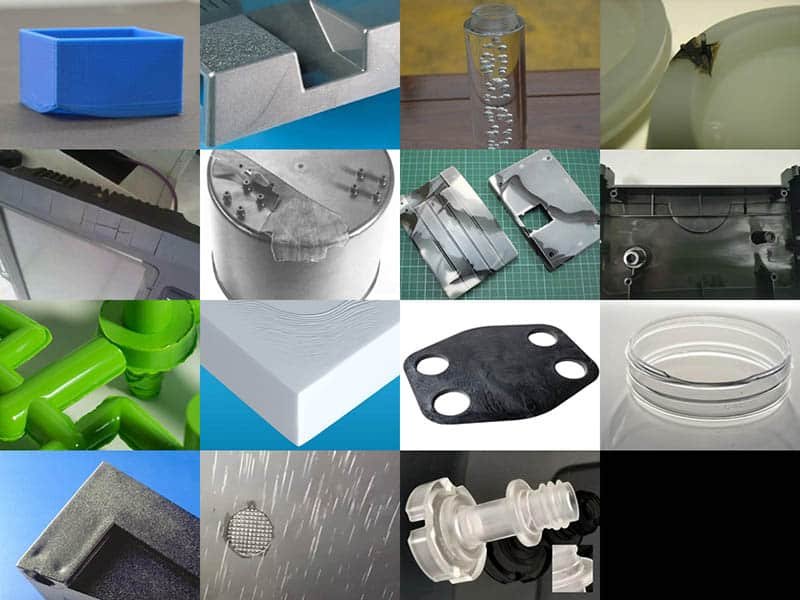
Common Injection Molding Defects
Even with proper process control, injection molded parts may experience quality issues caused by material conditions, mold design, or processing parameters.
Some frequently observed defects include:
- Sink Marks: Small depressions on the surface caused by uneven cooling or insufficient material compensation during the packing stage.
- Warpage: Part deformation caused by uneven shrinkage or internal stress during cooling.
- Short Shots: Incomplete filling of the mold cavity due to insufficient material flow or improper processing conditions.
- Flash: Excess material appearing along the parting line when molten plastic escapes from the mold cavity.
- Weld Lines: Visible lines formed when two separate melt flows meet and solidify during filling.
For a more detailed explanation of injection molding defects and their solutions, please refer to our injection molding defects guide.
Pros and Cons of Injection Molding
The injection molding process is very popular, and many products around us are manufactured using it. However, it has a combination of pros and cons, and these are as follows: