When production demand increases, producing a large quantity of plastic parts quickly and cost-effectively becomes a key challenge for many projects. Multi-cavity molds provide an efficient solution by creating multiple parts in a single injection cycle. This guide explains how multi-cavity works, compares it with single-cavity and family molds, and helps you understand when a multi-cavity solution is the right choice for your projects.
What Is Multi-Cavity Mold in Injection Molding?
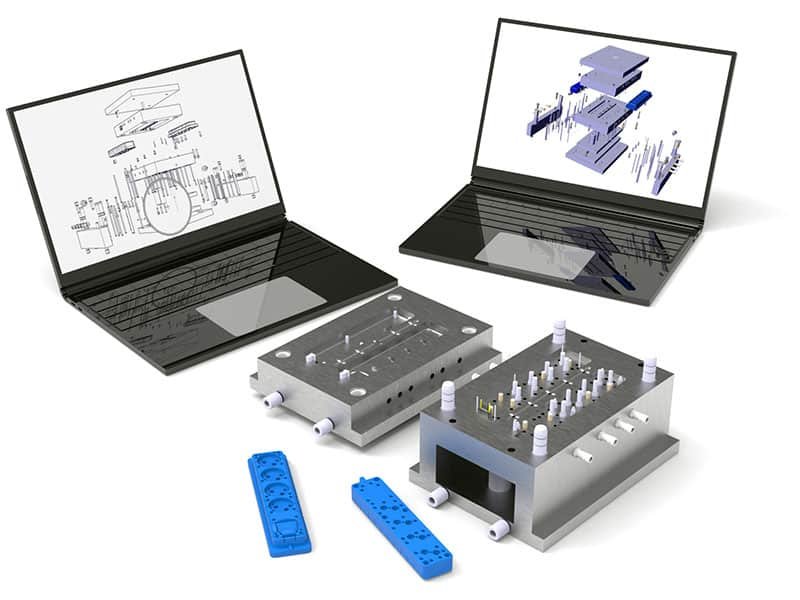
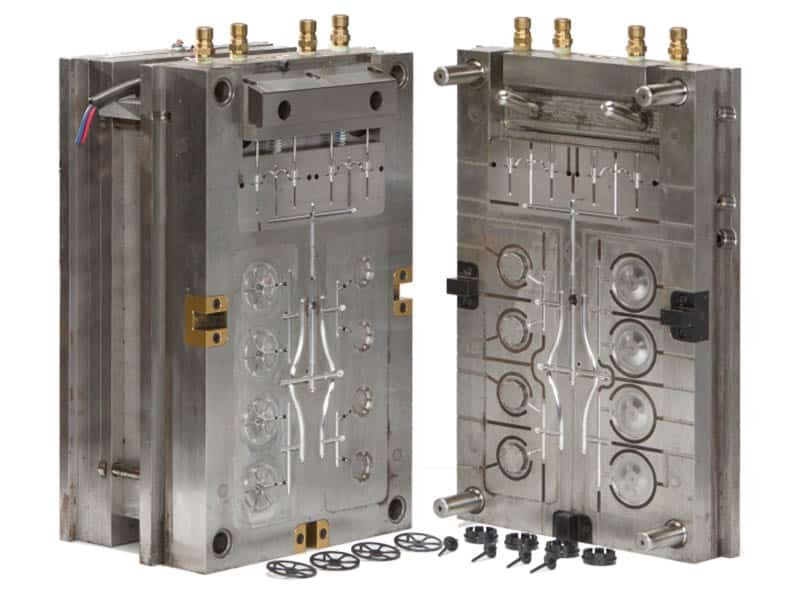
A multi-cavity mold used in injection molding has a mold structure with two or more cavities. Each cavity creates the same part geometry, allowing the mold to produce several identical components at once. Common cavity configurations include 2-cavity, 4-cavity, 8-cavity, and 16-cavity molds.
This approach improves production efficiency when the same component needs to be produced in large quantities while maintaining consistent quality. It also becomes a practical choice when lowering the cost per part is an important production goal. For example, producing 100,000 parts in a single 8-cavity mold requires only 12,500 cycles instead of 100,000 cycles in a single-cavity mold.
Multi-Cavity Mold VS Single-Cavity Mold VS Family Mold
The choice between a single-cavity mold, multi-cavity mold, and family mold depends on production volume, part requirements, and manufacturing flexibility. Understanding the differences between them helps you select the most suitable option for your production needs.
- Multi-Cavity Mold: Produces multiple identical parts in one molding cycle. It is suitable for high-volume production with stable part requirements.

- Single-Cavity Mold: Produces one part per cycle. It is suitable for low-volume projects, product testing, or frequent design changes.
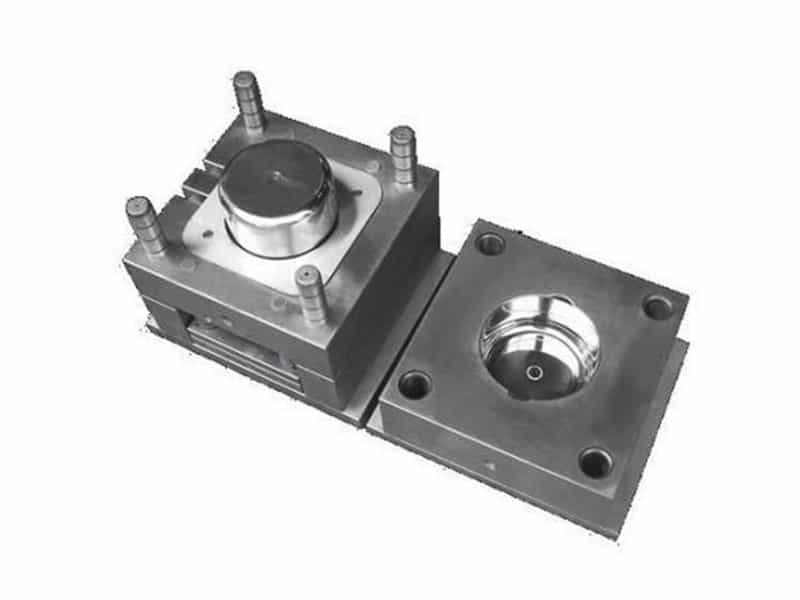
- Family Mold: Produces different parts in one molding cycle. It can improve efficiency but requires careful control because each part may have different molding requirements.
What Influences the Number of Cavities in a Mold
The suitable number of cavities varies depending on the specific requirements of each project. Several factors should be considered to determine the most appropriate cavity configuration.
Production Volume
Production volume is one of the most important factors affecting cavity selection. Higher production demand often uses more cavities because a multi-cavity mold can produce more parts in each molding cycle and improve overall production efficiency.
Part Size and Geometry
The size and complexity of a part can influence the available number of cavities within a mold. Larger or more complex parts usually require more mold space, which may limit the number of cavities that can be included.
Injection Machine Capacity
The available injection molding machine capacity directly affects the number of cavities that can be used in a mold. A machine with higher injection volume and clamping force can support more cavities, while a machine with limited capacity may restrict the cavity number to ensure proper filling, molding pressure, and part quality during each cycle.
Tooling Investment
A higher cavity number usually requires a more complex mold structure and a greater initial investment. When determining the appropriate cavity configuration, you should consider whether the production savings from additional cavities are likely to make up for the higher tooling investment.
Advantages of Multi-Cavity Molds
A multi-cavity mold offers valuable benefits for injection molding projects by improving overall production performance and supporting more efficient manufacturing processes.
Higher Production Efficiency
A multi-cavity mold increases the number of parts produced during each molding cycle. This higher output allows production schedules to be completed more efficiently. The increased productivity also reduces the number of injection cycles required to achieve the target quantity. This helps improve machine utilization and supports long-term production.
Lower Cost Per Part
Although a multi-cavity mold requires a higher initial tooling investment, it can reduce the cost per part when production volume is high. The tooling cost, machine operation, and processing time are distributed across more parts, which helps lower the average production cost over the entire project lifecycle.
Consistent Part Quality
A properly designed multi-cavity mold helps maintain consistent dimensions and appearance across all produced parts, which supports stable production results and reduces variations between individual components.

Limitations of Multi-Cavity Molds
A multi-cavity mold is not suitable for every project. Before selecting this approach, it is important to evaluate how its requirements may affect overall investment, production planning, and future flexibility.
Higher Initial Tooling Cost
A multi-cavity mold usually requires a higher upfront investment compared with a single-cavity mold. More cavities mean a more complex mold structure, additional components, and greater manufacturing requirements. For projects with limited production volume, the higher initial cost may not provide enough long-term savings.
More Complex Mold Design
As the number of cavities increases, the mold structure becomes more complicated to design, optimize, and maintain. The runner system, cooling layout, and cavity balance require careful management, which increases the difficulty of achieving stable production performance.
Longer Mold Development Time
The development process for a multi-cavity mold often requires more testing and optimization compared with a simpler mold structure. Each cavity needs to achieve consistent performance, which may require additional adjustments to ensure dimensional accuracy, surface quality, and production stability.
Limited Flexibility for Design Changes
A multi-cavity mold is generally more suitable for products with stable designs and predictable production requirements. Design modifications after mold completion can become more complicated because changes may affect multiple cavities and the overall mold structure.
Higher Maintenance Requirements
A multi-cavity mold contains more components and moving parts, which requires regular inspection and maintenance to maintain production performance.
How to Maintain a Multi-Cavity Mold for Long-Term Production
Since multiple cavities operate at the same time, small issues can affect the performance of the entire mold.
- Inspect and Clean Mold Components: Regularly inspect cavities, gates, runners, and cooling channels for wear, damage, blockages, or residue buildup. Clean these areas when needed to prevent filling issues, uneven cooling, and part quality variations.
- Lubricate and Check Moving Parts: Apply suitable lubricants to components such as ejector pins, slides, and guide systems. Inspect these parts for wear or misalignment to ensure smooth mold operation.
- Perform Preventive Maintenance: Establish regular inspection intervals based on production volume and mold usage. Record maintenance activities and replace worn components before they affect production efficiency.
Design Considerations for Multi-Cavity Mold
A successful multi-cavity mold requires careful consideration of mold structure, material flow, cooling performance, production requirements, and other related factors.
Simplify Mold Mechanisms
Multi-cavity molds require simpler and more efficient mold structures because additional mechanisms can increase production complexity across multiple cavities. Features such as manual inserts, pick-outs, and complex side actions may slow down the molding cycle and reduce the efficiency advantages of a multi-cavity setup.
Optimize Runner System Design
The runner system should be designed with consistent runner lengths and balanced flow paths to ensure each cavity receives a similar amount of molten material at the same time. This helps reduce differences in filling pressure, shrinkage, and part dimensions between cavities.
Effective Cooling Layout
Cooling channels should be positioned evenly around each cavity to maintain consistent temperature control during the cooling stage, preventing dimensional changes caused by uneven cooling.
Proper Gate Location
The choice of gate type in a multi-cavity mold depends on part geometry, material flow, and appearance requirements. For multi-cavity molds, edge gates are commonly used for reliable filling due to their flexible placement and provide strong filling capability.
Mold Materials
A multi-cavity mold requires durable mold materials to support multiple cavities operating at the same time. The selected material should provide good wear resistance and dimensional stability while supporting consistent filling conditions across all cavities.
Mold Flow Analysis
Mold flow analysis can help evaluate material behavior before production and identify potential issues such as uneven filling, pressure differences, or temperature variation between cavities. Optimizing the runner system, cooling channels, and gate locations helps achieve more consistent filling conditions across all cavities.

Conclusion
Choosing the right mold structure requires a clear understanding of production goals, part requirements, and long-term manufacturing expectations. A multi-cavity mold can provide significant value when the production conditions support its higher tooling investment and more complex design requirements. Erye provides professional injection mold design and manufacturing services to help optimize multi-cavity mold solutions based on production requirements, part specifications, and long-term performance goals.