
Why can two injection molds for similar plastic parts have very different prices? Because mold pricing is not a flat fee, but a complex sum of various factors. As a critical part of the upfront investment in plastic production, understanding these typical tooling costs helps you plan your budget, evaluate quotations, and make informed decisions about your custom mold project. This guide explains the main components of injection mold cost and influencing factors.
The Composition of Injection Mold Cost
The total cost of an injection mold is not a flat fee but a combination of several distinct stages, covering everything from raw materials and precision machining to design, assembly, and post-production considerations.
Mold Components Cost
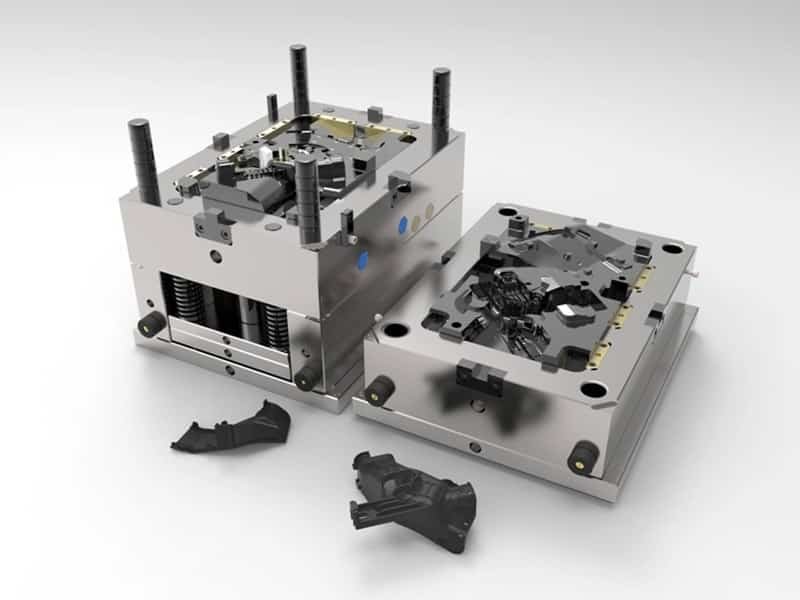
An injection mold consists of several precision-engineered parts, each with a different cost calculation method. It includes two categories: the steel cost used for the main mold structure and the standard components cost required for mold operation.
Main Mold Structure
The main mold components include the mold base, cavity, core, and inserts, which are commonly made from different grades of mold steel depending on the mold’s structural requirements and performance needs.
- P20: Approximately $2–4/kg, a pre-hardened steel for general-purpose molds.
- 718H: Approximately $4–8/kg, a modified P20 steel for molds requiring good machinability and polishing performance.
- H13: Approximately $4–10/kg, a hot-work tool steel with good toughness and wear resistance.
- S136: Approximately $8–15/kg, a corrosion-resistant steel suitable for molds requiring high cavity surface quality.

Standard Components
Standard components, such as guide pins, guide bushings, ejector pins, and return pins, are usually priced separately from mold steel because they are typically purchased as finished parts rather than machined from raw steel. Their cost depends on the size, material, precision grade, and quantity of each component, as well as the supplier’s pricing.
Machining Process
Machining accounts for a significant part of injection mold cost because mold cavities, cores, and other precision features require multiple processing steps and considerable machine time. CNC milling, EDM, grinding, and polishing work together to achieve the required mold geometry, dimensional accuracy, and surface finish. Each process adds to the total cost through its processing time, equipment requirements, and level of precision.
For example, CNC milling typically costs less than EDM because it removes material efficiently with standard cutting tools and generally meets less demanding precision requirements. EDM is commonly used to machine complex details, such as narrow slots and sharp internal corners, and its specialized equipment, complex electrodes, and longer machining times can increase costs.
Mold Design Cost
Mold design costs depend on the complexity of the part and the engineering work required to develop a practical mold structure. Simple parts usually require less planning and have lower design costs, while parts with thin walls, uneven thickness, or complex geometries need more detailed analysis of filling, cooling, and ejection, resulting in higher design costs.
Design work also covers gate locations, parting lines, venting, and cooling-channel layouts, all of which affect the time and cost required to complete the mold design. A thorough Design for Manufacturing (DFM) review adds to the initial design effort but helps identify potential defects before machining begins, reducing the risk of costly mold modifications later.
Assembly and Mold Trials Cost
Assembly and fitting costs cover the labor required to align mold components, match shut-off surfaces, and ensure that moving mechanisms operate correctly. Molds with complex structures or tight fitting tolerances require more adjustment work, which increases assembly costs.
Once the mold is assembled, trial runs verify whether it can produce parts that meet the specified requirements. Trial costs include machine time, sample inspection, and any agreed correction rounds. A mold that requires multiple trials and adjustments will generally cost more than one that meets the requirements after the first trial.
Additional Costs
Beyond design, machining, and assembly, injection mold costs may also include ongoing maintenance, mold revisions, and expedited production.
- Mold maintenance and storage: Regular cleaning and rust prevention require labor and protective materials, while storage uses warehouse space and management costs. These expenses increase with maintenance frequency and storage duration.
- Mold revision costs: Changes after steel cutting may require additional machining, welding, or polishing. These revisions generally cost more than design changes made during the DFM stage because they involve reworking completed mold components.
- Rush fees: Shortening a standard four-week mold-making schedule to two weeks may require overtime, prioritized machining, and expedited processing, increasing the overall mold cost.
The table below shows the typical percentage of total injection mold cost accounted for by each of the four main cost categories.
| Cost Category | Indicative Share |
|---|---|
| Mold Components Cost | 20–35% |
| Machining Process | 25–40% |
| Mold Design Cost | 5–15% |
| Assembly and Mold Trials Cost | 5–15% |
What Influences the Cost of an Injection Mold?
Several factors determine the final injection mold cost. Reviewing these factors early helps you identify which requirements are essential and which may be simplified.
Part Size and Geometry
Larger parts increase expenses, as they require more mold steel and a larger and more costly mold base. Similarly, complex geometry extends precision machining time and may require expensive additional mechanisms.
For example, a flat cover with a simple parting line usually costs less to tool than a housing with side openings, snap fits, deep ribs, and undercuts. Reviewing the geometry during DFM can identify features that require slides or lifters and assess whether a simpler mold opening direction could reduce tooling costs.
Number of Cores and Cavities
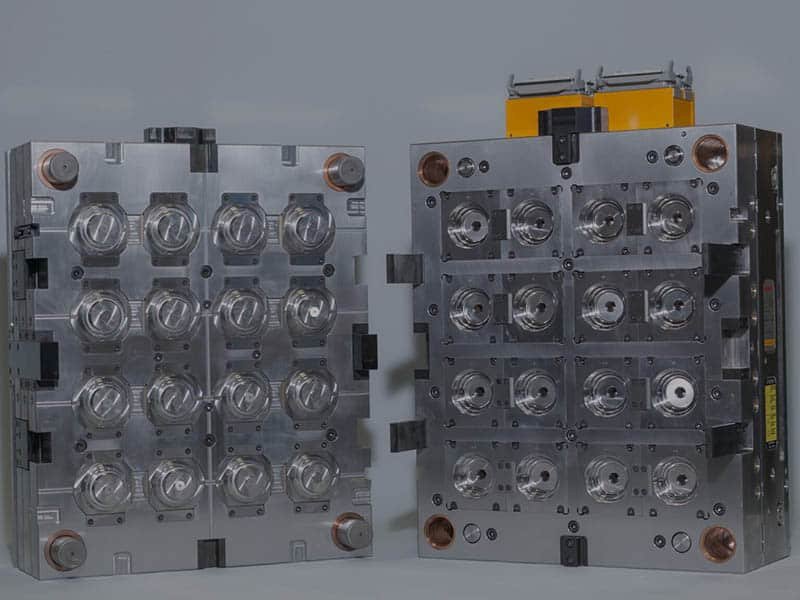
A single-cavity mold produces one part per cycle. A multi-cavity mold produces several parts per cycle, but it usually costs more to build because it needs more cavity machining and a more carefully balanced filling and cooling system.
For low-volume production, a single-cavity mold may keep the initial investment lower. For high-volume production, a multi-cavity mold spreads the cost across more parts, reducing tooling cost per part.

Expected Tool Life
The expected mold life directly affects steel selection and the initial mold cost. Molds designed for short production runs may use less expensive steel. Selecting premium steel only increases the upfront cost without creating a useful benefit. Molds expected to withstand hundreds of thousands or millions of cycles often require more durable materials that may increase upfront costs. But selecting steel with insufficient wear resistance for it may lead to more maintenance and earlier replacement, further increasing the total cost over the mold’s service life.
Tolerances and Surface Finish
Tight tolerances increase mold costs because they require more precise machining, additional measurement, and more time for fitting and validation. Fine textures and mirror finishes also raise costs by requiring extra finishing work and specialized processing methods. Using tight tolerances only for critical dimensions, such as sealing surfaces, while using standard tolerances for non-critical features. This approach reduces unnecessary costs without compromising part quality.
Mold Design Complexity
Mold design complexity affects tooling costs because special components, such as runner systems and sliders, require additional parts, machining, and assembly work. These features also increase design time and may add maintenance costs over the mold’s service life. Simplifying the mold structure where the part design allows can reduce initial tooling costs without compromising part function.
Conclusion
A thorough understanding of injection mold cost composition and its key influencing factors enables more accurate cost assessment and investment planning. Erye provides custom injection mold manufacturing services, from design review and mold fabrication to mold trials, helping you control tooling costs while meeting your part specifications and production requirements.