Rapid injection molding (RIM) is a manufacturing process that uses injection molding techniques with fast-to-produce tooling, to shorten lead times and reduce costs. It is commonly used to produce low or medium volumes of plastic parts, ranging from prototypes to several thousand units. It is ideal for bridging the gap between prototyping and mass production. With shorter turnaround times and flexible manufacturing capability, RIM helps companies accelerate product development and bring functional parts to market more efficiently.
What is Rapid Injection Molding?
Rapid injection molding is a production method that relies on conventional injection molding principles, but significantly reduces both cost and turnaround time through the use of simplified tooling. The key advantage of this approach is the ability to manufacture molds much more quickly. It allows production to start in a matter of weeks.
Because of this faster tooling process, RIM is especially useful for early-stage manufacturing needs such as prototyping, product testing, and limited production runs. It is typically applied when companies need the number of parts ranges from a few hundred up to roughly ten thousand. This method enables them to evaluate form, fit, and function using materials that are suitable for final applications.
How is Rapid Injection Molding Different from Conventional Injection Molding?
Rapid injection molding and conventional injection molding have the same core process, but differ significantly in execution.
Rapid injection molding vs conventional injection molding:
- Tooling Time: Days to weeks vs weeks to months
- Tool Material: Aluminum or soft steels vs hardened steel
- Technology: CNC machining or 3D printing vs machining and heat treatment processes
- Production Volume: Low to medium volume vs high volume
- Cost Structure: Lower upfront cost vs higher initial tooling investment
- Mold Life: Short vs long
- Speed to market: Faster ( shorter tooling time) vs Slower ( longer tooling time)
Conventional injection molding is optimized for mass production, while rapid injection molding prioritizes speed and flexibility.
The Principle of Rapid Injection Molding
There are some minor differences between rapid injection molding and conventional injection molding, but the principle generally remains the same:
- Plastic pellets are melted in a heated barrel,forming a uniform molten material.
- The molten plastic is then injected under pressure into a precisely designed mold cavity.
- The material is cooled and solidified inside the mold, gradually taking on the final geometry of the part.
- Once the part has sufficiently cooled and hardened, it is ejected from the mold.

Rapid-injection-molding-process

You can check this blog to understand the detailed process of injection molding.
The difference is that rapid injection molding process is best understood as a sequence of streamlined stages:
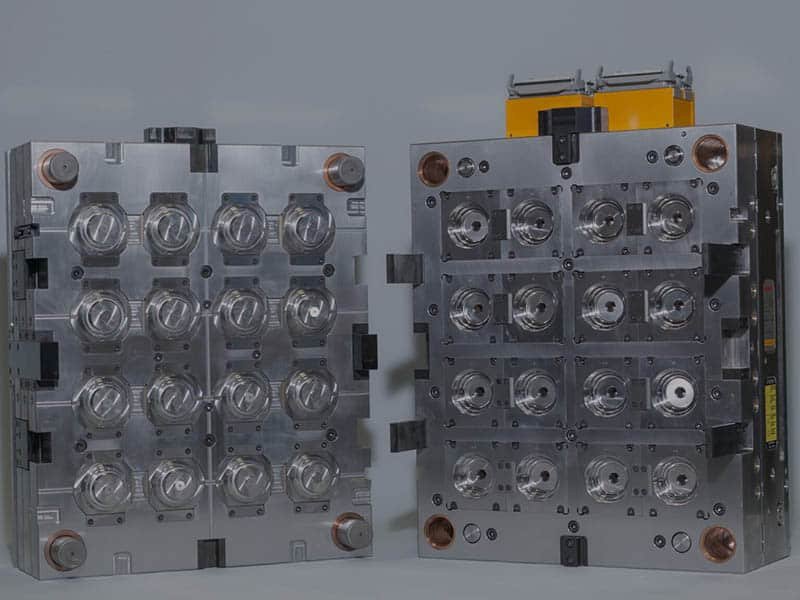
- Simplified mold structure: RIM uses an aluminum-based mold, which is manufactured with cavity geometry matching the final part design.
- Machining processes: In the process, a CAD model is first created and often verified using rapid prototyping techniques such as CNC machining or 3D printing before tooling begins.
- Surface Finish: RIM reduces the requirements of polishing and finishing.
This ensures that RIM achieve the rapid iteration without sacrificing core dimensional accuracy.
When to Use Rapid Injection Molding
Rapid injection molding is ideal in the following scenarios:
Rapid Prototype Molding
During early-stage design, rapid injection molding produces functional parts by using production-level materials. It is not like traditional steel tooling which needs the long waiting times and high expenses. As a result, teams can evaluate real performance, collect user feedback, and refine designs much earlier in the development cycle.

Market Testing and Validation
Because rapid tooling can often be completed within a few weeks, it is widely adopted by companies that need to quickly validate designs or meet aggressive product launch timelines. Although this form of injection molding tooling is not intended for long-term, and high-volume use, it is fully capable of supporting pilot runs and initial market testing.
Low-Volume Production Runs
It is also commonly used for small production runs and special editions. Because investment in these situations in expensive hardened tooling would not be practical. But when speed-to-market is critical, this approach offers a balanced combination of efficiency and flexibility.
If speed-to-market is more important than unit cost at scale, rapid injection molding is the preferred choice.
Technologies of Rapid Injection Molding
Rapid injection molding relies on several manufacturing methods that help shorten lead times, improve efficiency, and maintain part accuracy. These key technologies are outlined below:
CNC Machining
This method is used with a variety of raw materials, including both metals and certain engineering plastics. Compared with additive manufacturing options such as 3D printing, molds produced by CNC machining generally offer better durability and can withstand a higher number of molding cycles. It makes them more reliable for repeated use.
3D Printing
One of the biggest advantages of 3D printing is the ability to create highly complex internal structures that are difficult or even impossible to achieve using CNC processes. Since the mold is built layer by layer directly from CAD data, design changes can be implemented quickly. It accelerates iteration during product development.
Soft Tooling
Soft tooling refers to molds made from non-metal or low-hardness materials such as urethane, silicone, or specialized plastics. These molds are not intended for long-term durability but are highly effective for prototype testing and very small production batches. Because fast turnaround is more important than extended service life for them.
Electrical Discharge Machining (EDM)
EDM is a precision manufacturing technique used to form detailed or hard-to-machine features in mold components. Instead of cutting material mechanically, it removes material through controlled electrical sparks between an electrode and the workpiece. This process is particularly effective for producing sharp internal corners, deep cavities, narrow slots, and fine surface textures.
These methods significantly reduce tooling lead time while maintaining functional part quality.
The Applications of Rapid Injection Molding
Rapid injection molding is widely used across multiple industries due to its ability to produce precise and durable parts in a short time. Below are some of the key industries:
Aerospace
In aerospace, rapid injection molding is often used for non-flight-critical components where weight, fit, and material performance need to be validated early.
Common applications include:
- Interior cabin components
- Air duct systems
- Mounting brackets
- Prototype structural parts
Automotive
Automotive engineers use RIM to evaluate components’ fit, function, and assembly performance under real-world conditions. They can conduct fast iteration and functional testing of components before committing to expensive production tooling.
Common applications include:
- Interior trim components
- Dashboard prototypes
- Air vents and housings
- Electrical connectors and brackets
Medical Device
In the medical field, precision and compliance are essential. It enables manufacturers to test functionality, ergonomics, and sterilization compatibility before moving into certified mass production tooling.
Common applications include:
- Medical device housings
- Surgical instrument components
- Diagnostic equipment enclosures
- Drug delivery device prototypes
Injection Molding Medical Device Enclosure

Consumer Electronics
Rapid injection molding allows designers to quickly refine aesthetics, ergonomics, and assembly structure before final tooling. It can make consumer electronics companies shorten product launch cycles in highly competitive markets.
Common applications include:
- Smartphone and tablet enclosures
- Wearable device casings
- Connector covers and internal frames
- Product prototypes for user testing
Industrial Machinery
For industrial applications, RIM is used to produce functional parts which used for testing low-volume production. It helps engineers validate mechanical performance and durability under real operating conditions.
Common applications include:
- Machine housings and covers
- Gears and mechanical components
- Safety guards and brackets
- Custom tooling fixtures
Robotics and Automation
RIM supports fast prototyping cycles and allows engineers to test motion, fit, and durability efficiently. It make the robotics industry benefits greatly due to frequent design updates and customization needs.
Common applications include:
- Robot arm covers and housings
- Sensor enclosures
- Cable management components
- End-effector parts
Conclusion
Rapid injection molding has become a practical solution for companies that need to shorten product development cycles without sacrificing part quality. By combining conventional injection molding principles with rapid tooling methods, it enables quick production of functional parts for prototyping, validation, and low- to medium-volume manufacturing. As an experienced manufacturer, Erye can provide responsive service about injection molding. For companies looking to accelerate time-to-market and improve development efficiency, working with us is your best choice.