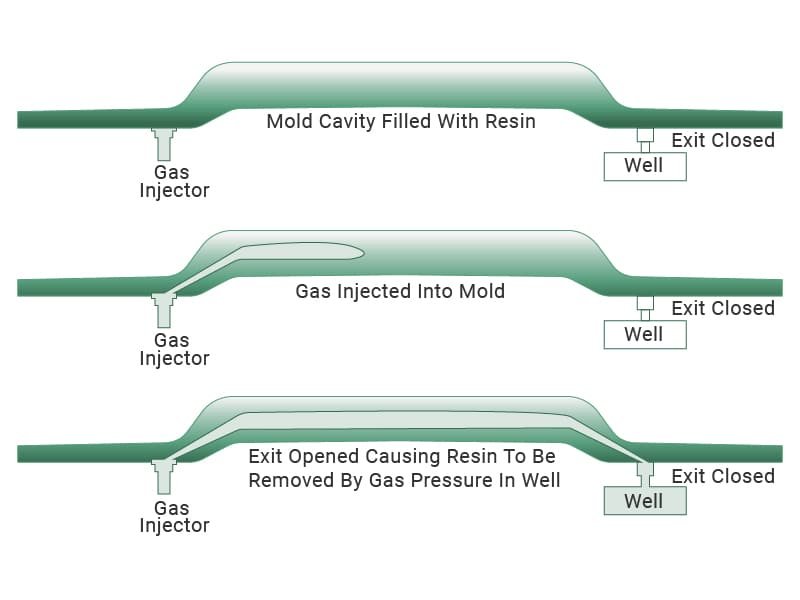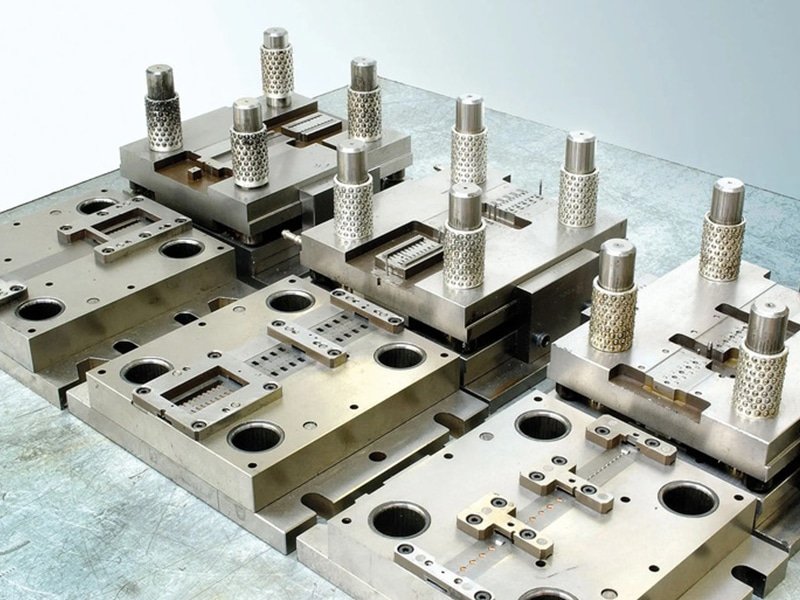

The success of the injection molding process hinges on several injection molding parameters that influence the quality, efficiency, and consistency of the injection-molded part. Parameters in injection molding refer to the specific measurable factors that govern the injection molding process. In this post, we will explore the common parameters and their importance in the injection molding process.
The fundamental parameters in injection molding are crucial for ensuring the quality, efficiency, and consistency of the molded products. Here are the key parameters that significantly influence the injection molding process:
1. Injection Speed
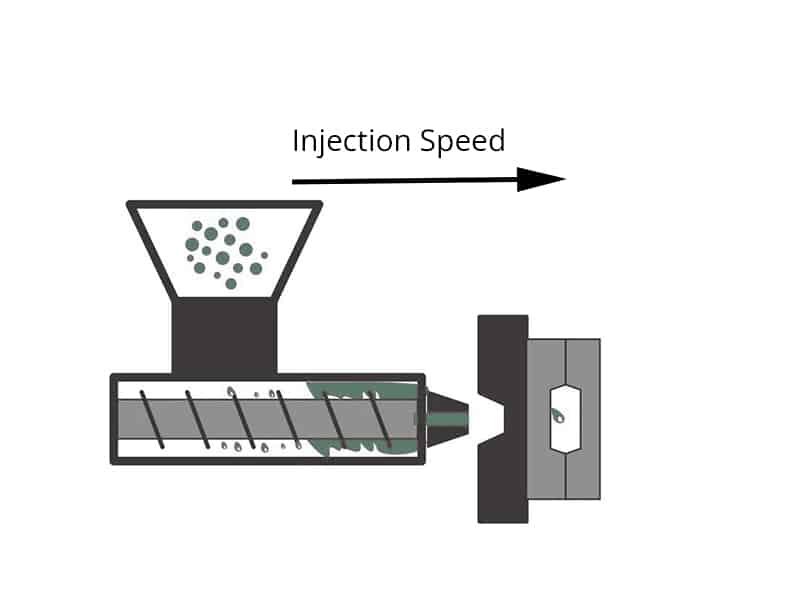
Injection speed is a critical parameter in the injection molding process. It is the rate at which the screw or plunger moves forward, pushing molten plastic into the mold cavity. It is typically adjustable and varies depending on the material and design of the part being molded.
Effects of Injection Speed on Part Quality
High injection speed helps fill thin-wall sections and complex structures while improving surface detail replication. However, excessive speed can cause jetting marks, air traps, burn marks, and increased shear stress.
Low injection speed reduces flow turbulence and internal stress but may lead to short shots, visible flow lines, and poor filling of complex areas.
2. Cooling Time
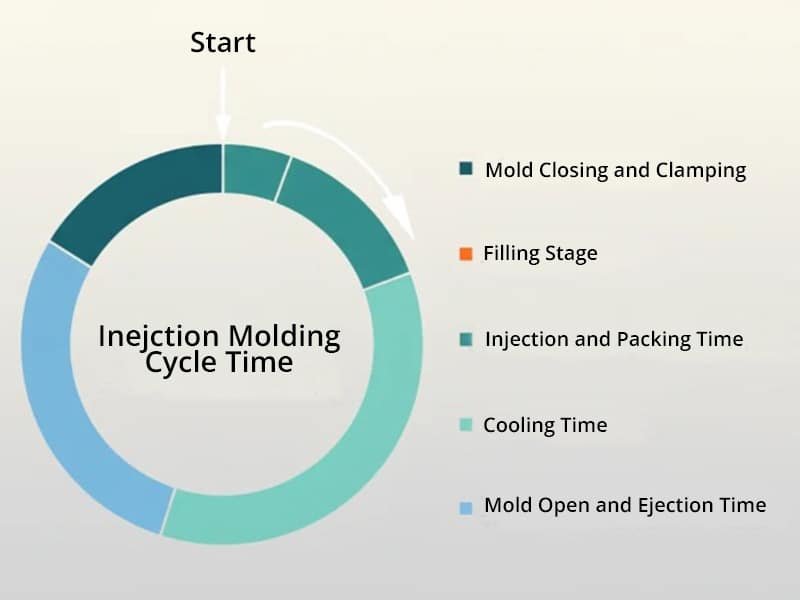
Cooling time is the duration the part remains in the mold after filling to allow solidification, accounting for approximately 70% to 85% of the overall cycle time. The cooling time directly impacts the overall cycle time.
Effects of Cooling Time on Part Quality
Long cooling time improves dimensional stability and reduces deformation risks, but excessive cooling increases cycle time and production costs.
Short cooling time improves productivity but may cause warpage, sink marks, and part deformation after ejection.
3. Melt Temperature
Effects of Melt Temperature on Part Quality
Proper melt temperature control ensures smooth material flow, complete mold filling, strong weld line bonding, and consistent surface appearance. The ideal temperature range varies depending on the resin type, barrel temperature settings, and the material’s residence time inside the injection unit.
If the melt temperature is too low, the plastic may have insufficient flowability, causing defects such as short shots, weak weld lines, or poor surface finish. Excessively high melt temperatures can lead to polymer degradation, discoloration, excessive shrinkage, and reduced mechanical performance.
4. Mold Temperature
Mold temperature refers to the temperature maintained within the mold during the injection molding process. It controls how the molten plastic cools and solidifies, directly affecting cooling efficiency, surface appearance, dimensional accuracy, and the final properties of molded parts.
Effects of Mold Temperature on Part Quality
Proper mold temperature control helps achieve uniform cooling, reduce internal stress and shrinkage, and improve surface finish and dimensional stability. Excessively high mold temperatures may extend cooling time and reduce production efficiency, while temperatures that are too low can cause poor surface replication, increased residual stress, and reduced part quality.
5. Holding Pressure
Holding pressure is a type of injection pressure. During the holding stage of injection molding, pressure is continuously applied after the mold cavity has been filled to force additional molten plastic into the cavity. This compensates for material shrinkage as the polymer cools and solidifies, helping maintain consistent part dimensions, density, and surface quality.

Effects of Holding Pressure on Part Quality
Proper control of the holding stage allows the plastic material to solidify under stable pressure, ensuring better structural strength, improved appearance, and more accurate part geometry. Insufficient pressure may cause defects such as internal voids and dimensional variations because the material cannot fully compensate for cooling contraction. In contrast, excessive holding pressure can create problems including flash, overpacking, gate-related stress marks, or even damage to the mold.
6. Clamping Force
Clamping force refers to the force applied by the injection molding machine’s clamping unit to keep the mold closed during the injection and cooling stages. It prevents the mold halves from separating under the high pressure generated when molten plastic fills the cavity.

Effects of Clamping Force on Part Quality
High clamping force helps improve dimensional consistency and maintains mold stability during high-pressure injection. However, excessive force may cause increased mold wear, higher energy consumption, and potential damage to the mold components.
Low clamping force reduces machine load and energy usage, but insufficient force can cause mold separation, flash defects, uneven part dimensions, and poor surface quality.
7. Back Pressure
Back pressure refers to the resistance applied against the screw as it moves backward during the plasticizing stage of injection molding. It controls how the molten material is melted, mixed, and homogenized before injection into the mold cavity.
Effects of Back Pressure on Part Quality
Properly adjusted back pressure improves melt consistency, color dispersion, material mixing, and overall molding stability. It helps produce parts with more uniform properties and reduces variations between molding cycles.
Excessive back pressure may increase screw recovery time, cause excessive shear stress, degrade polymer materials, and increase residual stress in molded parts. Insufficient back pressure can result in poor plasticization, inconsistent melt quality, and surface defects.
8. Cycle Time
Cycle time refers to the total duration required to complete one injection molding cycle, starting from material injection and ending with part ejection from the mold. It includes multiple stages such as injection, holding, cooling, mold opening, and part removal.
Effects of Cycle Time on Production Efficiency and Part Quality
Optimizing cycle time improves manufacturing efficiency, reduces production costs, and helps maintain consistent part quality. Each stage of the cycle must be properly controlled, as injection time, holding time, and cooling time directly influence the final characteristics of molded parts.
A short injection time can improve productivity but may cause incomplete filling or flow-related defects if the material does not fully fill the cavity. Holding time should be carefully controlled based on part thickness and gate freezing time, as excessive holding provides little benefit and may increase cycle duration. Cooling time is mainly affected by material properties, wall thickness, and mold temperature.
Importance of 8 Types of Injection Parameters
The 8 types of injection parameters play an important role in controlling material flow, molding stability, and final part quality. Proper optimization can lead to reducing defects, improving efficiency, and achieving consistent production results.
Ensuring Complete Mold Filling
Parameters such as injection pressure, injection speed, injection temperature, and mold design control molten plastic flow and ensure complete cavity filling, especially for thin-wall and complex parts.
Improving Part Quality
Parameters such as cooling time, plastic material, clamping force, and injection temperature affect surface finish, strength, and dimensional accuracy, helping reduce defects such as warpage, sink marks, and flash.
Maintaining Production Consistency
Parameters including machine calibration, injection pressure, cooling time, and clamping force help maintain stable processing conditions and ensure consistent part dimensions.
Improving Manufacturing Efficiency
Optimized injection speed, cooling time, injection temperature, and machine settings can shorten cycle times, reduce waste, and improve overall production efficiency.
Reducing Defects
Proper control of all eight parameters minimizes common molding issues, improves process stability, and ensures reliable product quality.
Conclusion
Understanding the fundamental parameters in the injection molding process and their intricate relationship with material properties is essential for optimizing the manufacturing process. By carefully selecting materials and adjusting parameters such as temperature, pressure, speed, and cooling time, manufacturers can significantly enhance product quality while minimizing defects. Working with an experienced partner like Erye that provides comprehensive injection molding services can help ensure precise parameter control and consistent production results.