If you’re sourcing an injection-molded part, you’ve probably heard “draft angle” at some point during quoting or design review. It might sound like a minor technical detail, but draft angle plays an important role in injection molding by affecting part release, surface quality, and overall production costs.
This guide will show you what draft angle is, how it relates to material choice, why it matters for your project, and the best practices we follow to make sure your parts come out right the first time.
What Is Draft Angle?
Draft angle is the slight taper built into the walls of a mold cavity and the corresponding walls of your finished part. It allows the part to be ejected cleanly from the mold, without dragging, sticking, or damage.
The reason a draft angle improves part release is that it reduces friction between the part and the mold surface. Instead of designing perfectly perpendicular walls (90 degrees) to the mold’s parting line, a small taper is added so the part gradually narrows as it moves away from the mold opening. This tapered geometry minimizes surface contact during ejection, allowing the molded part to release smoothly and consistently.

How Material Selection Affects Draft Angle
Not all materials behave the same way when they cool, so the ideal draft angle depends on the material you choose for your part.
| Material | Shrinkage Rate | Recommended Draft Angle |
|---|---|---|
| Polypropylene (PP) | High shrinkage (typically 1.0%–2.5%) | 1°–2° recommended for more consistent results |
| Polyethylene (PE) | High shrinkage (typically 1.5%–3.0%) | 1°–2° recommended for easier release |
| ABS | Low to moderate shrinkage (typically 0.4%–0.8%) | 1°–2° |
| Polystyrene (PS) | Low shrinkage (typically 0.4%–0.7%) | 1°–2° |
| Nylon (PA) | High shrinkage (typically 0.8%–2.0%) | ≥2° (especially for deep features) |
| Polycarbonate (PC) | Low shrinkage (typically 0.5%–0.7%) | 1.5°–2° |
Your material selection and part draft angle are closely interconnected. When you bring us your project, we will evaluate your chosen material’s shrink rate, flexibility, and surface friction characteristics before finalizing the draft angle for your mold.
Why Is Draft Angle Important in Injection Molding?
Draft angle might sound like a minor detail, but it has a direct impact on the quality, cost, and reliability of the parts:
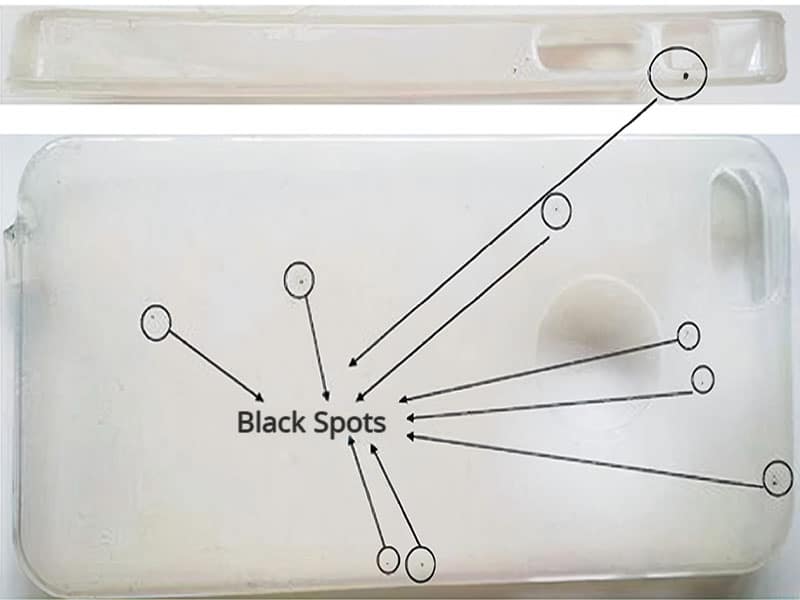
- A cleaner-looking part: Proper draft angle allows your part to separate from the mold smoothly, reducing the risk of drag marks, scuffing, or surface damage that would otherwise affect its surface finish.
- Faster production: Parts with insufficient draft angle often require longer cooling times before they can be safely ejected, which slows down your entire production run and can affect lead times.
- Lower long-term tooling costs: Forcing parts out of a mold without adequate draft angle will put extra stress on the mold and accelerate its wear, which can mean higher maintenance costs or a shorter mold lifespan over the course of your program.
- Reduced material waste and project costs: Proper draft angle design helps minimize defects, reducing the risk of scrapped parts and unnecessary material consumption while improving overall injection molding cost efficiency.
- Better dimensional accuracy: Parts can release cleanly without being forced or dragged and hold their intended shape and tolerances more consistently, which matters if your part needs to fit or assemble precisely.
Best Practices for Draft Angle Design
Here’s what you should know about how draft angle is typically approached for your part, so you know what to expect and what questions to ask during design review:
Standard Draft Angle: 1.5–2 Degrees
For general-purpose parts without heavy texture or unusual geometry, a draft angle of 1.5 to 2 degrees is a safe and widely used starting point. This range works well across most common materials and can eject with minimal impact on your part’s final dimensions.
Add 1 Degree per Inch of Depth
Generally speaking, add approximately 1 degree of draft angle for every additional inch of part depth. Deeper features will increase the contact area between the part and the mold surface, requiring more draft angle to achieve smooth and reliable ejection.
Prioritize Draft Angle Near the Parting Line
Draft angle is especially important in areas closer to the parting line, where the part begins to separate from the mold during ejection. Providing sufficient draft angle in these areas helps reduce friction and allows the part to release smoothly.
Add Draft Angle to Every Molded Surface
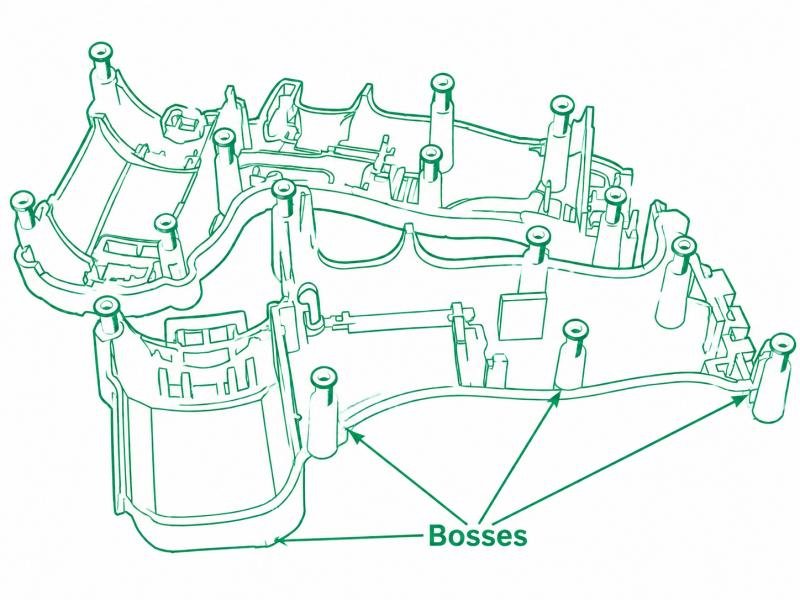
It’s a common mistake to think of draft angle as something that only applies to the “obvious” outer walls of a part. In reality, every vertical surface that contacts the mold, including ribs, bosses, snap fits, and other internal features, needs draft angle, or that specific feature can become a point of failure during production.

Apply Draft Angle on Both Sides
Wherever possible, draft angle should be applied on both sides of a wall or feature rather than only one side. This helps distribute shrinkage stress more evenly and improves dimensional stability. For example, hollow parts like cup-shaped components need draft on both inner and outer walls because both surfaces contact the mold during ejection. This reduces release resistance and helps prevent deformation during part removal.
Draft Angle and Surface Finish
The right draft angle is closely tied to the surface finish you choose for your part. A highly polished finish reduces friction and can sometimes work with slightly less draft angle, while EDM or textured finishes increase friction and require more draft angle for a clean release.
Conclusion
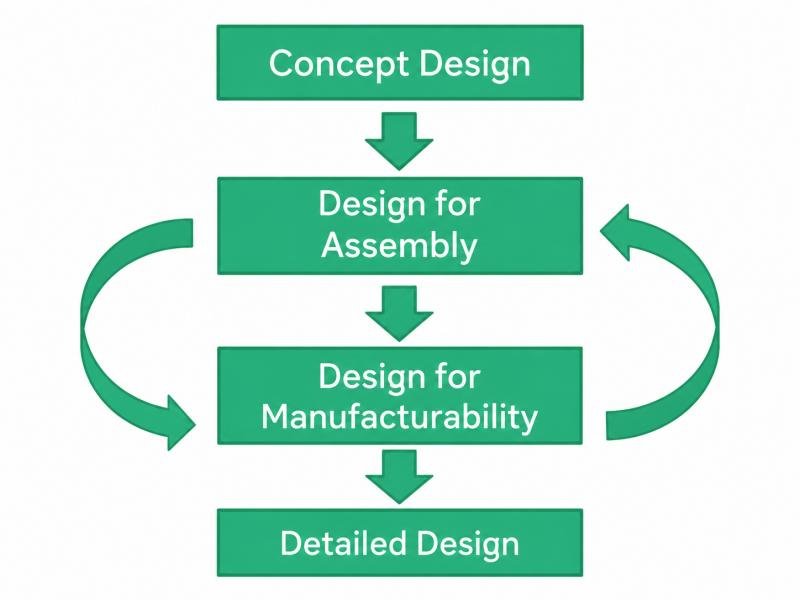
Draft angle is a small detail with a big impact on your finished part. Proper draft design helps achieve better part quality, extend mold life, reduce defects, and improve overall production efficiency. Considering draft angle early in the development process can help prevent unexpected adjustments, reduce costs, and ensure a smoother transition to production.
If you’re planning a new part, contact us early. Erye provides professional injection molding services, and our engineers can review your design, recommend the right draft angle for your geometry and material, and help you avoid costly rework once the mold is already cut.