Injection speed in injection molding refers to the rate at which molten plastic is introduced into the mold cavity. This parameter is critical as it directly influences the filling process, affecting both the final product’s quality and the manufacturing operation’s efficiency. In this post, we will explore how to balance the injection speed for injection molding precision and efficiency.
What is Injection Speed
Injection speed describes how quickly molten plastic is driven into the mold cavity by the advancing screw during the filling stage. It is usually measured in mm/s or cm³/s and plays an important role in controlling melt flow, pressure distribution, heat generation, and cooling behavior inside the mold. Although machine settings often refer to screw movement speed, the actual factor that influences part quality is the velocity of the molten material as it travels through different sections of the cavity.
How Injection Speed Affects the Molding Process
The injection speed plays a pivotal role in several aspects of the molding process:
Filling Performance: A well-calibrated injection speed ensures that the molten plastic fills the mold cavity optimally. If the speed is too slow, the material may begin to solidify before filling the mold. Conversely, if the speed is too fast, it can create excessive shear forces.
Surface Quality: The speed at which plastic enters the mold affects surface finish and overall part quality. High-speed injection can minimize temperature differences within the mold cavity, resulting in uniform density and reduced residual stress. However, excessively high speeds can lead to issues like discoloration or decomposition of the plastic due to frictional heat.
Cycle Time Efficiency: Faster injection speeds can significantly reduce injection molding cycle times, enhancing overall production efficiency. However, optimizing cycle time requires a careful balance; reducing injection speed too much can lead to longer filling times and increased risk of defects.
Strategies for Balancing Injection Speed
Multi-Stage Injection Speed Control
To balance injection speed and quality, manufacturers often employ multi-stage injection techniques. Divide the injection process into multiple stages, each with tailored speeds. This multi-stage approach helps control filling behavior, reduce defects, and improve overall product appearance.
Optimize Mold Design
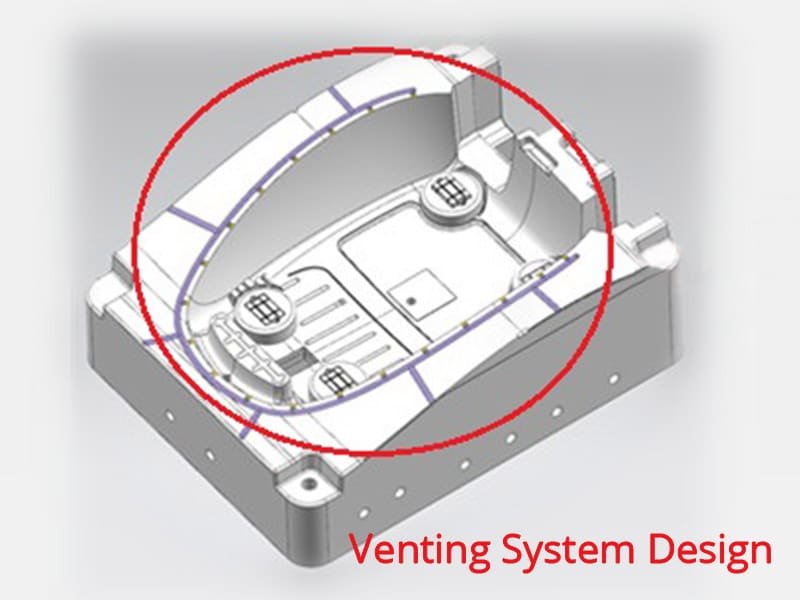
Ensure that mold designs facilitate efficient flow and cooling. Streamlined designs can help minimize cycle times and reduce cooling durations, which are critical for maintaining product quality. Considerations such as gate design, venting, and runner systems is important, because these elements are essential parts of injection molding tooling.
Adjust Cooling Times
Efficient cooling systems are essential. The cooling phase often takes longer than other steps in the cycle. Proper cooling minimizes cycle times and helps achieve uniform solidification, which is critical for maintaining part integrity and surface quality. Advanced thermal management systems can further enhance this aspect.
Utilize Advanced Monitoring Systems
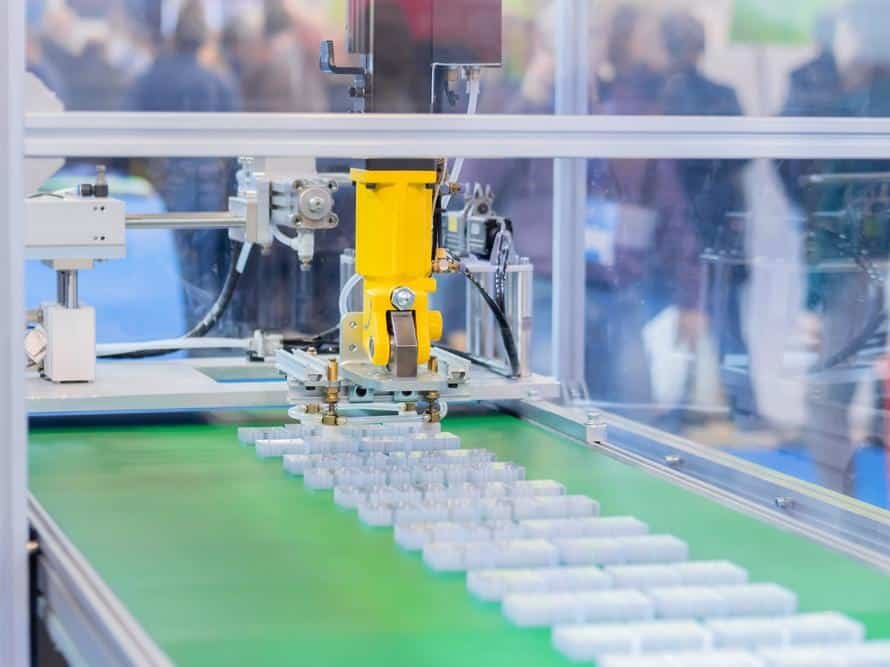
Implement real-time monitoring systems to track parameters like injection speed, pressure, and temperature. This allows for immediate adjustments based on observed performance, ensuring optimal conditions are maintained throughout production.
Material Considerations
Different materials have varying flow characteristics and cooling rates. Understanding the viscosity, thermal properties, and flow characteristics of the plastic is useful for better speed adjustments tailored to specific materials.
Trial and Error Methodology
Employ a systematic approach to testing different speeds during initial runs. Adjust settings based on trial data to find an optimal balance between speed and quality for specific products.
Multi-Stage Injection Speed Control
The injection process is typically divided into multiple sections, with each stage assigned a different speed based on the material flow requirements and part geometry. This process is usually divided into three stages.
- Initial filling stage: A high injection speed is typically applied during this stage to reduce filling time and prevent the molten plastic from cooling prematurely, which is especially important for thin-walled parts or components with long flow paths.
- Main filling stage: At this point, the injection speed is usually adjusted to a moderate level to maintain a stable and consistent flow. This helps the material fill complex geometries smoothly while reducing turbulence, air traps, voids, and visible flow marks.
- Final filling stage: The injection speed is significantly reduced during this stage to control pressure buildup, minimize flash and overpacking, and reduce internal stress.
Common Defects Caused By Injection Speed
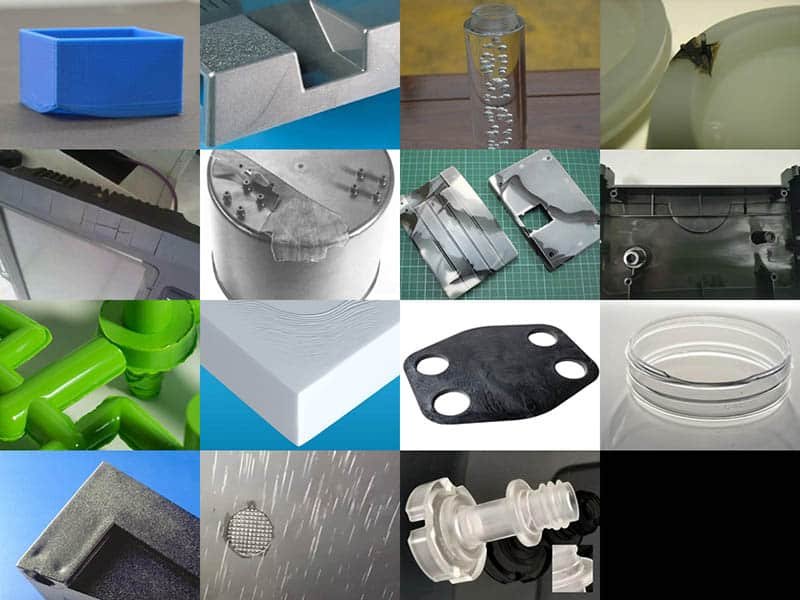
Adjusting injection speed in the injection molding process can effectively address several common defects that arise during production. Here are the key defects that can be mitigated through careful speed adjustments:
Flash
Excessive injection speed can create high cavity pressure, forcing molten plastic out of the parting line and causing flash.
Short Shots
Lower injection speed may allow the melt to cool before fully filling the cavity, resulting in incomplete parts.
Splay Marks
Unstable injection speed can disturb melt flow and cause uneven surface streaks or marks.
Jetting Marks
High injection speed through the gate can create turbulent jet-like flow, leaving visible surface defects.
Sink Marks
Improper injection speed can cause uneven pressure distribution and shrinkage, contributing to sink marks.
Burn Marks
Excessive injection speed can increase shear heat and compress trapped air, causing material degradation.
Bubbles and Voids
Unbalanced injection speed can create unstable filling and trap air inside the molded part.
Read this blog for the detailed common injection molding defects.
Conclusion
Improper injection speed will caused many injection molding defects, such as flash, jetting marks, sink marks, etc. Achieving a balance between injection speed and injection molding precision, and efficiency requires careful consideration of multiple factors including mold design, material properties, cooling times, and real-time monitoring capabilities. By employing a structured approach that includes multi-stage speed control and continuous adjustments based on empirical data, manufacturers can enhance both the quality of their products and the efficiency of their processes. As a professional injection molding factory, Erye can offer you comprehensive service on injection molding.