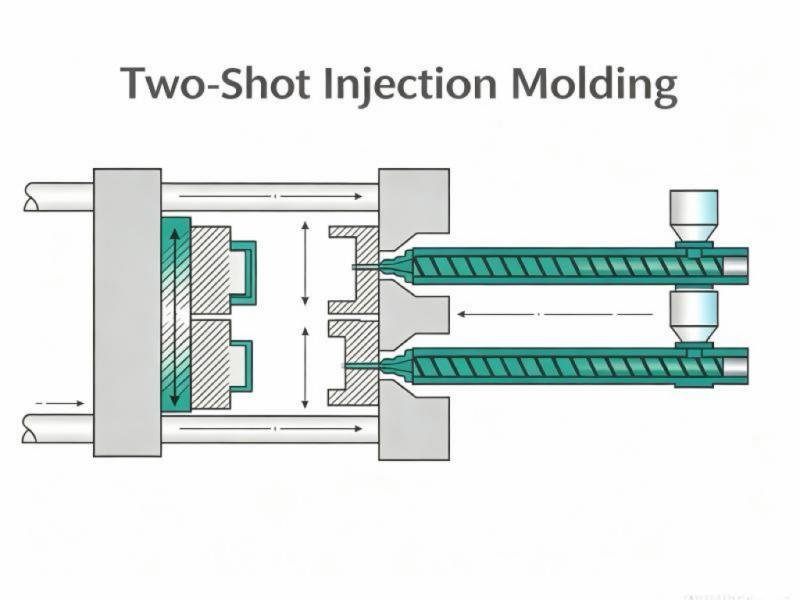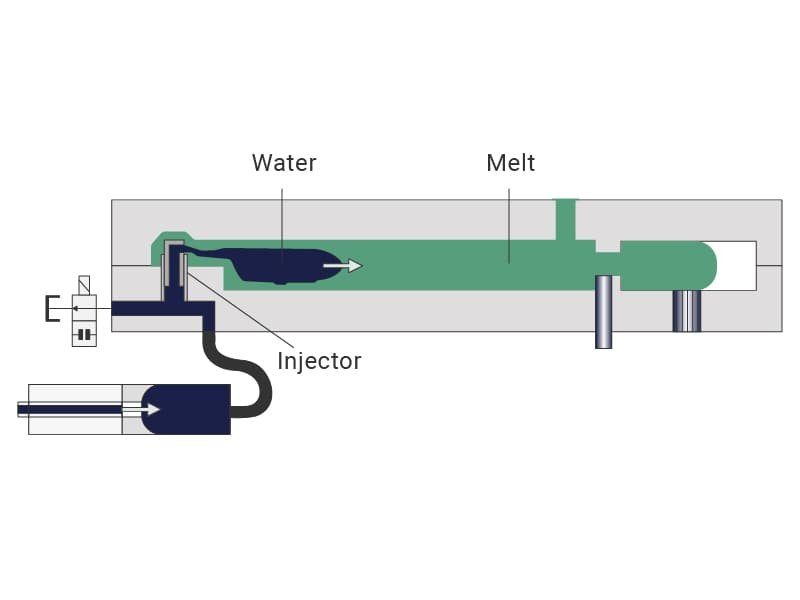

Plastic material selection is one of the most important decisions in the injection molding process. Selecting the right material helps ensure that the part meets its intended application requirements while avoiding issues such as premature failure, deformation, or unnecessary production costs. This guide introduces the most commonly used plastics for injection molding and explains their advantages and typical applications to help you choose the right material for your project.
Acrylic (PMMA)
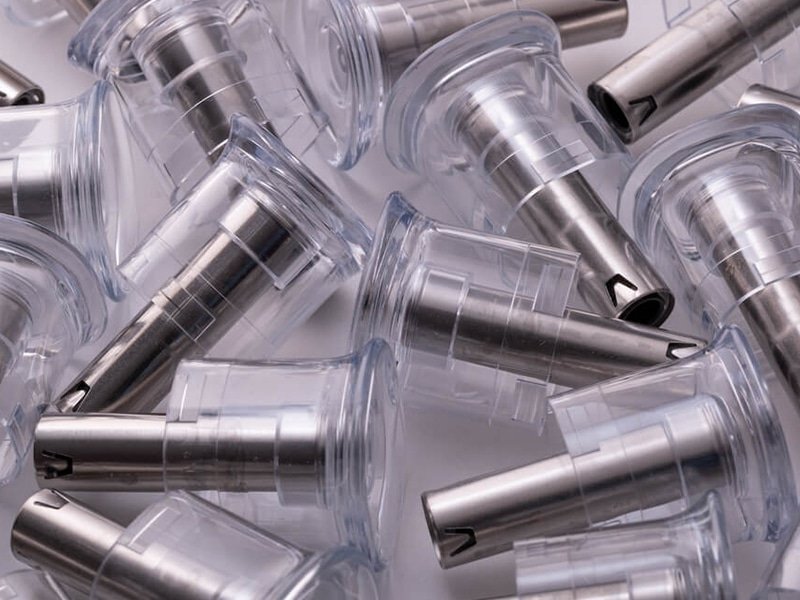
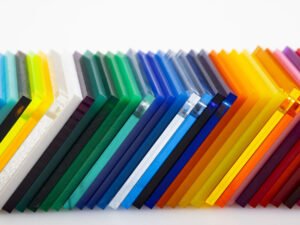
Acrylic (PMMA), also known as Polymethyl methacrylate, is a transparent thermoplastic widely selected for applications that require excellent glass-like transparency and an attractive surface appearance. Its good melt flow properties allow it to be easily processed through injection molding, while it provides good UV resistance, high surface hardness, good scratch resistance, significant flexural strength, and remaining lightweight compared with glass.
Although acrylic provides excellent appearance and transparency, it has lower impact resistance than polycarbonate and may crack under heavy impacts or stress. It also has limited chemical resistance and can be damaged by solvents, oils, and certain cleaning agents. Therefore, PMMA is not the best choice for applications requiring high impact strength or strong chemical exposure resistance.
Common applications of acrylic injection molding include:
- Light covers and optical components
- Display screens and transparent panels
- Transparent housings
- Automotive lighting parts
- Architectural and decorative components
ABS (Acrylonitrile Butadiene Styrene)
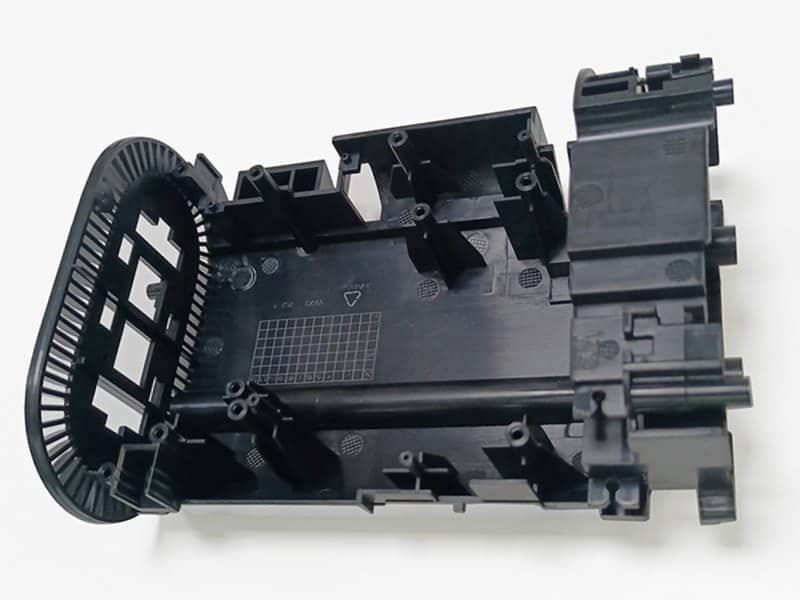
ABS is an opaque engineering thermoplastic widely used in injection molding due to its excellent balance of strength, toughness, impact resistance, and processability. Its relatively low processing temperature allows efficient molding, while its good dimensional stability helps produce parts with consistent accuracy. It also supports the use of colorants and a variety of textures and surface finishes.
However, ABS has limited resistance to UV exposure, weathering, and certain chemicals, making it less suitable for long-term outdoor applications. It also has lower heat resistance compared with some engineering plastics and may produce significant smoke when exposed to fire. In addition, ABS has limited resistance to continuous friction and wear, which can restrict its use in high-friction environments.
Common applications of ABS injection molding include:
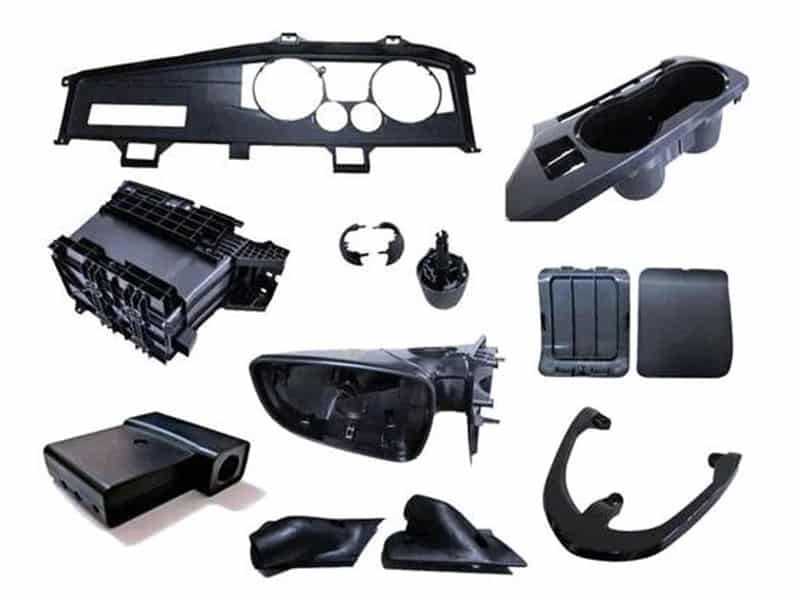
- Automotive components and interior parts
- Electronic housings and computer parts
- Toys and consumer products
- Sports equipment
- Industrial fittings and protective components
Nylon (Polyamide/ PA)
Nylon, also known as Polyamide or PA, is a high-performance engineering thermoplastic widely used in injection molding. Its excellent mechanical properties, including high tensile strength, good fatigue resistance, low friction performance, and strong abrasion resistance, allow injection molded parts to maintain reliable performance under demanding conditions. Nylon also provides good heat resistance and chemical resistance, making it suitable for demanding industrial and mechanical components. In addition, different additives or fillers can be combined with nylon to further enhance the performance of injection molded parts.
However, nylon has a high moisture absorption rate, which can affect dimensional stability and mechanical performance if not properly controlled. It also tends to experience higher shrinkage during molding, which may create challenges in achieving precise dimensions and complete mold filling. Compared with some other engineering plastics, nylon may require additional processing considerations to maintain consistent part quality.
Common applications of nylon injection molding include:
- Gears, bearings, and mechanical components
- Electrical connectors and housings
- Automotive parts and under-the-hood components
- Industrial wear-resistant components
- Ropes, fibers, and consumer products
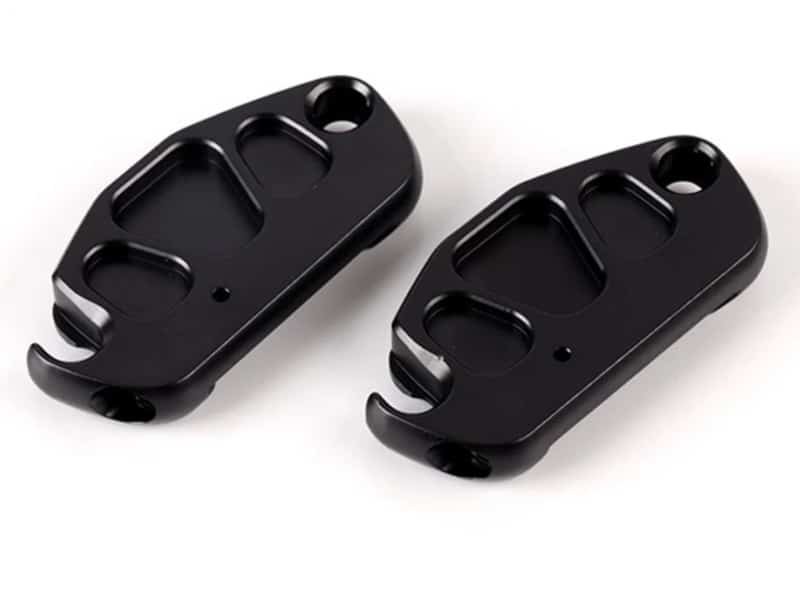
PC(Polycarbonate)
PC (Polycarbonate) is a high-performance engineering thermoplastic widely used in injection molding due to its excellent impact resistance, strength, and natural transparency. Its outstanding toughness allows molded parts to withstand high mechanical stress and impact loads, while its natural transparency makes it suitable for producing clear components with demanding appearance requirements. PC also offers good dimensional stability and higher heat resistance compared with many other transparent plastics, allowing it to perform well in demanding environments.
However, PC has some limitations that should be considered when selecting materials. Although it provides excellent impact resistance, its surface is relatively soft and can be scratched more easily than materials such as acrylic. PC can also be affected by prolonged UV exposure, which may cause yellowing or changes in appearance without proper protection. In addition, its higher processing temperature can increase manufacturing requirements compared with standard thermoplastics.
Common applications of PC injection molding include:
- Protective covers and machine guards
- Automotive components and transparent panels
- LED light diffusers and optical components
- Safety windows and protective shields
- Electronic housings and device components

HDPE (High-Density Polyethylene)
HDPE (High-Density Polyethylene) is a rigid, semi-crystalline thermoplastic widely used in injection molding due to its excellent strength-to-density ratio, chemical resistance, and durability. Compared with other polyethylene grades, HDPE provides higher stiffness and better structural performance while maintaining lightweight characteristics, making it suitable for manufacturing strong and durable molded parts with reduced material weight. It also offers good moisture resistance, impact resistance, and heat resistance. Food-grade HDPE grades are also available for applications requiring safe contact with food products.
However, HDPE experiences moderate shrinkage during injection molding, which may affect dimensional accuracy if not properly controlled. Under certain conditions, HDPE can also be affected by environmental stress cracking, especially when exposed to high mechanical stress or aggressive chemicals. In addition, its limited UV resistance makes it less suitable for long-term outdoor exposure without proper additives or protection.
Common applications of HDPE injection molding include:
- Food containers and kitchenware
- Chemical storage containers and bottles
- Automotive fuel tanks and components
- Packaging products
- Industrial pipes and fittings
- Household products

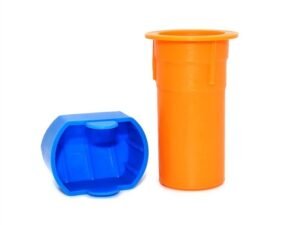
HDPE Injection Molding Part
LDPE (Low-Density Polyethylene)
LDPE (Low-Density Polyethylene) is a flexible polyethylene thermoplastic widely used in injection molding. Compared with HDPE, LDPE has a lower density and a more branched molecular structure, which provides better flexibility and low-temperature performance. These properties allow injection-molded parts to withstand repeated bending or impact during use. It offers excellent moisture resistance, good chemical resistance, and high impact resistance while maintaining lightweight characteristics and easy processing.
However, LDPE has lower stiffness, tensile strength, and heat resistance compared with HDPE. It is also less suitable for high-temperature applications, as prolonged heat exposure may cause deformation or loss of performance.
Common applications of LDPE injection molding include:
- Flexible lids and closures
- Medical tubing and components
- Toys and consumer products
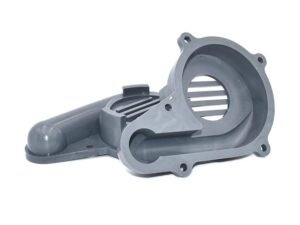
LDPE Injection Molding Part
POM(Polyoxymethylene/Acetal)
POM (Polyoxymethylene), also known as Acetal, is a semi-crystalline engineering thermoplastic with high rigidity, low friction, excellent dimensional stability, and outstanding wear resistance. It provides good mechanical strength, low water absorption, good chemical resistance, and a smooth surface finish, making it suitable for precision components that require consistent performance and tight tolerances.
However, POM also has some limitations. It has limited resistance to strong acids, oxidizing chemicals, and prolonged UV exposure, which may affect its performance in harsh environments. In addition, POM is more difficult to bond with adhesives compared with some other engineering plastics, which can limit certain assembly methods.
Common applications of POM injection molding include:
- Gears and mechanical transmission parts
- Automotive components
- Electrical and electronic components
- Industrial equipment parts
- Precision assemblies
- Wear-resistant components
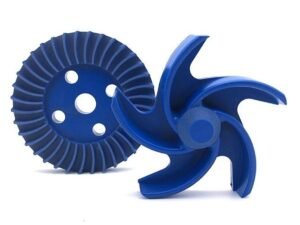
PP (Polypropylene)
PP is one of the most widely used thermoplastics in injection molding. It provides an excellent balance of chemical resistance, flexibility, electrical resistance, lightweight properties, moisture resistance, and cost-effectiveness. Its good fatigue resistance allows molded components to withstand repeated bending and flexing without cracking. Its high melting point makes it suitable for applications requiring heat resistance, while its low density helps reduce overall part weight.
However, PP has limited UV resistance and may degrade or become brittle under prolonged exposure to sunlight. In addition, PP has relatively poor bonding, painting, and surface adhesion properties, which may require additional surface treatments or special processes for certain applications.
Common applications of PP injection molding include:
- Food containers and packaging products
- Automotive components
- Electrical and electronic parts
- Medical products and devices
- Living hinges and low-friction components
Polystyrene (PS)
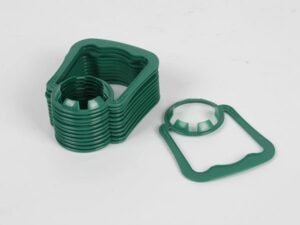
Polystyrene (PS) is a lightweight and cost-effective thermoplastic widely used in injection molding. It offers good dimensional stability, moisture resistance, electrical insulation properties, and excellent processability. Its lightweight and economical properties make it suitable for high-volume production. PS is available in two main types: General-Purpose Polystyrene (GPPS) and High-Impact Polystyrene (HIPS). GPPS provides high transparency, while HIPS contains rubber additives to improve impact resistance and toughness, making it less brittle and more suitable for applications requiring better durability.
However, PS has limited UV resistance and may degrade under prolonged outdoor exposure. PS is also relatively brittle compared with tougher plastics, especially GPPS, and has poor impact resistance. In addition, its flammability and limited heat resistance may restrict its use in high-temperature or demanding environments.
Common applications of PS injection molding include:
- Medical trays, test tubes, and laboratory containers
- Food containers and disposable products
- Electronic housings and insulation components
- Packaging products
- Toys and consumer goods
PVC (Polyvinyl Chloride)
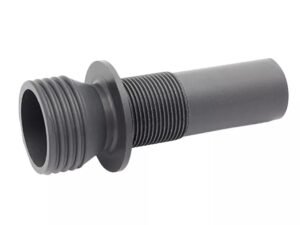
PVC (Polyvinyl Chloride) is a versatile thermoplastic widely used in injection molding for producing both rigid and flexible plastic parts. Its unique chlorine content provides excellent chemical resistance, flame resistance, and durability against environmental exposure. PVC is also available in transparent grades, making it suitable for applications where visibility of internal fluids or components is required.
However, PVC requires careful processing control during injection molding because excessive heat can cause material degradation and release corrosive gases. It also has limited performance in high-temperature environments and may not be suitable for certain food-contact applications unless specially formulated. In addition, PVC may require additives or modifications to improve specific properties depending on the application requirements.
Common applications of PVC injection molding include:
- Medical tubing, IV bags, and fluid containers
- Oxygen masks and other medical components
- Cable insulation and protective covers
- Pipe fittings and connectors
- Electrical housings and protective components
Why Material Selection Matters in Injection Molding
In an injection molding project, the material you select directly affects the part’s strength, appearance, durability, production cost, and long-term performance. A material that works well for one application may fail in another. For example, a plastic used for a decorative cover may not withstand mechanical stress, while a strong engineering plastic may be unnecessary for a simple consumer product.
When selecting a material for injection molding, you should consider:
- How much strength and impact resistance the part needs
- Whether the part will be exposed to heat, chemicals, moisture, or UV light
- Whether appearance, transparency, or surface finish is important
- Whether the material can meet production requirements and budget targets
Conclusion
Choosing the right plastic is an important step in creating durable, high-quality injection molded parts. Each material offers unique properties, and selecting the best option ensures your product meets its functional and manufacturing requirements.
With extensive experience in plastic injection molding, Erye provides professional support from material selection and design evaluation to mold development and mass production, ensuring each project achieves reliable quality and cost-effective results.