HDPE Plastic Manufacturing Guide
What Is HDPE – What Does HDPE Stand For?
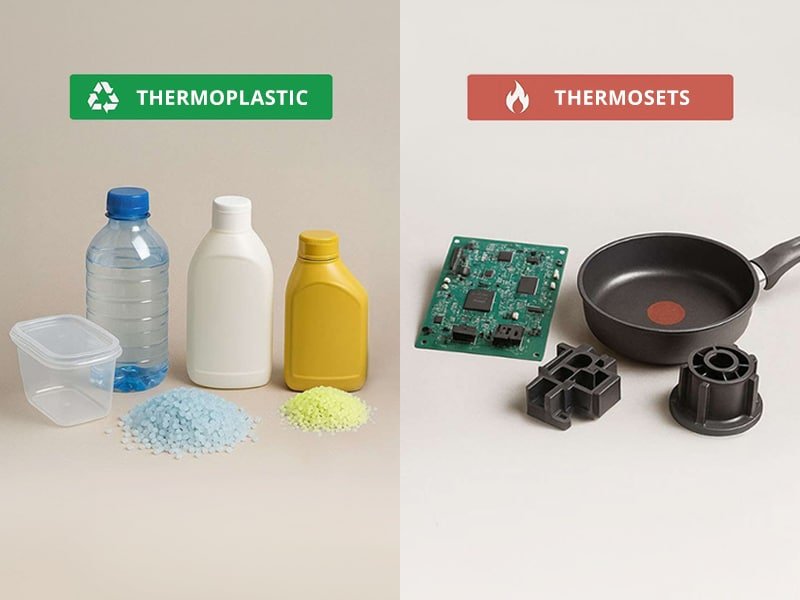
The full form of HDPE is High-Density Polyethylene. It is a semi-crystalline thermoplastic polymer made from ethylene monomers. Compared with lower-density polyethylene materials, HDPE has a more linear molecular structure with less branching, giving it higher density, stiffness, and strength.
Key characteristics of HDPE include:
- Excellent chemical resistance
- High impact toughness
- Low moisture absorption
- Good outdoor durability
- Lightweight and cost-effective
- Good electrical insulation properties
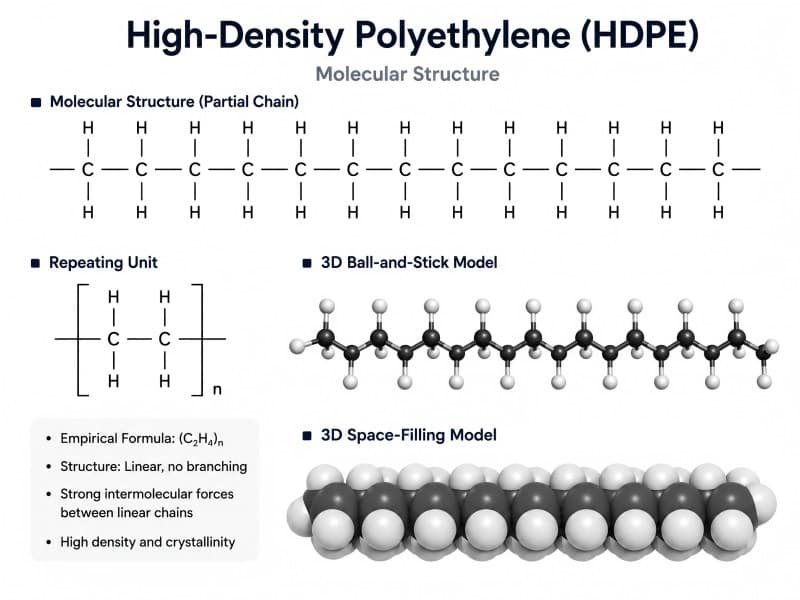
As a type of thermoplastic, HDPE softens when heated and solidifies when cooled, allowing it to be processed into molded, machined, or extruded plastic parts.
Different Types of HDPE
Below are several common HDPE grades. Each type is modified for different applications and performance requirements.
General-Purpose HDPE
A balanced grade offering good toughness, chemical resistance, and processability. Commonly used for containers, housings, and industrial components.
UV-Stabilized HDPE
Contains UV stabilizers to improve outdoor durability and reduce cracking or fading caused by sunlight exposure.
Food-Grade HDPE
Manufactured using FDA or food-contact-compliant formulations for applications involving food storage, beverage handling, or food-processing equipment.
High Molecular Weight HDPE
Offers improved impact resistance and abrasion resistance compared with standard HDPE grades. Often used for industrial wear applications.
Properties and Features of HDPE
HDPE combines toughness, chemical resistance, and lightweight performance. Its balance of durability, moisture resistance, and cost efficiency makes it widely used for industrial and consumer plastic products.
Below are the key properties of HDPE.
Physical Properties of HDPE Plastic
- High impact resistance
- Excellent chemical resistance
- Low moisture absorption
- Lightweight
- Good weather resistance
- Good electrical insulation
- Good abrasion resistance
- Flexible compared with engineering plastics
- Good weldability and processability
Chemical Properties
- Dilute Acids: Excellent
- Dilute Alkalis: Excellent
- Oils and Greases: Excellent
- Alcohols: Excellent
- Water Absorption: Very Low
- Aromatic Hydrocarbons: Poor
- Strong Oxidizing Agents: Poor
- Halogenated Hydrocarbons: Poor
Mechanical Properties of ABS Plastic
- Elongation at break: 100 – 1000 %
- Flexural modulus: 0.6 – 1.5 GPa
- Density: 0.94 – 0.97 g/cm³
- Tensile strength: 20 – 37 MPa
- Impact resistance: Excellent
- Hardness Shore D: 55 – 70
- Heat deflection temperature: 75 – 85 °C
- Continuous operating temperature: -50 °C to 80 °C
Electrical Properties of ABS Plastic
- Dielectric Constant: 2.3 – 2.4
- Dielectric Strength: 18 – 35 kV/mm
- Volume Resistivity: Very High
- Arc Resistance: Good
- Dissipation Factor: Low
Advantages & Disadvantages of HDPE Plastic
Below are the main advantages and disadvantages of HDPE plastic material itself. These characteristics help determine whether HDPE is suitable for your product’s mechanical, environmental, and cost requirements.Advantages of HDPE Plastic
Excellent chemical resistance
HDPE resists acids, alkalis, moisture, and many industrial chemicals, making it suitable for tanks, containers, and fluid-handling parts.
High impact toughness
HDPE maintains good toughness even at low temperatures and performs well in applications exposed to repeated impact or rough handling.
Very low moisture absorption
HDPE absorbs almost no water, helping maintain stable performance in wet or humid environments.
Good outdoor durability
UV-stabilized HDPE performs well outdoors and resists moisture, corrosion, and environmental exposure better than many plastics.
Lightweight and cost-effective
HDPE provides good durability at a relatively low material cost compared with many engineering plastics.
Disadvantages of HDPE Plastic
Lower stiffness than engineering plastics
Poor dimensional stability
Limited high-temperature resistance
Difficult to bond or paint
Surface scratches relatively easily
HDPE Plastic Manufacturing Process
HDPE plastic parts can be produced using several manufacturing methods. The best process depends on part geometry, production volume, strength requirements, and surface finish expectations.Injection Molding
CNC Machining
Extrusion
Thermoforming
HDPE Plastic Applications
HDPE is widely used in industries requiring durability, moisture resistance, and chemical resistance.
Typical applications include:
- Chemical tanks and fluid containers
- Plastic bottles and packaging
- Pipes and fittings
- Cutting boards and food containers
- Outdoor furniture and playground equipment
- Industrial liners and wear strips
- Marine and agricultural components
- Storage bins and transport containers
Materials Similar to HDPE and How to Choose
HDPE vs PP
Key Differences
How to Choose
HDPE vs POM
Key Differences
How to Choose
HDPE vs UHMW-PE
Key Differences
How to Choose
HDPE vs ABS
Key Differences
How to Choose
HDPE vs PVC
Key Differences
How to Choose
Get HDPE Plastic Part
HDPE Plastic Material FAQs
Is HDPE plastic flexible or rigid?
Does HDPE crack easily?
Can HDPE be welded?
Is HDPE suitable for food and beverage applications?
Is HDPE plastic expensive?
Can HDPE handle sunlight and UV exposure?
What surface finish does HDPE have?
What products are commonly made from HDPE?
Related Resources of HDPE Plastic Manufacturing
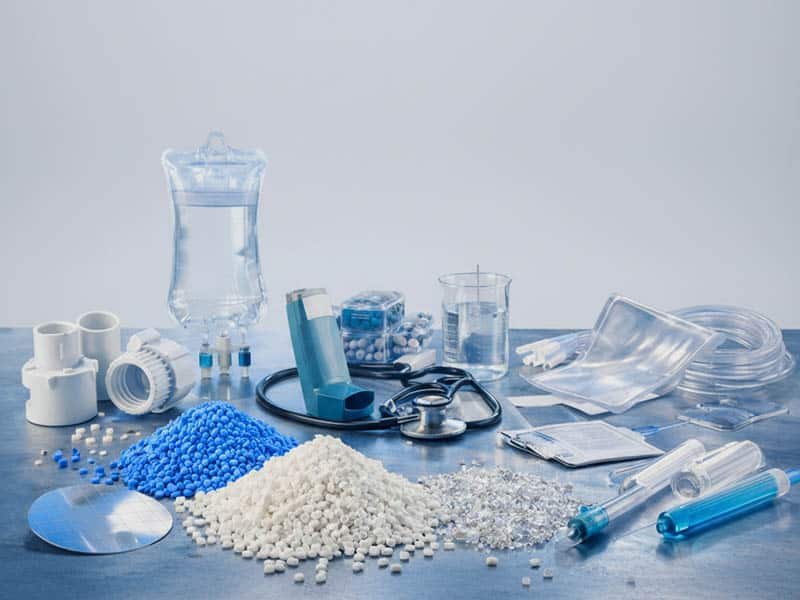
Plastics for medical devices provide enabling safer, more cost-effective, and customizable solutions compared to traditional
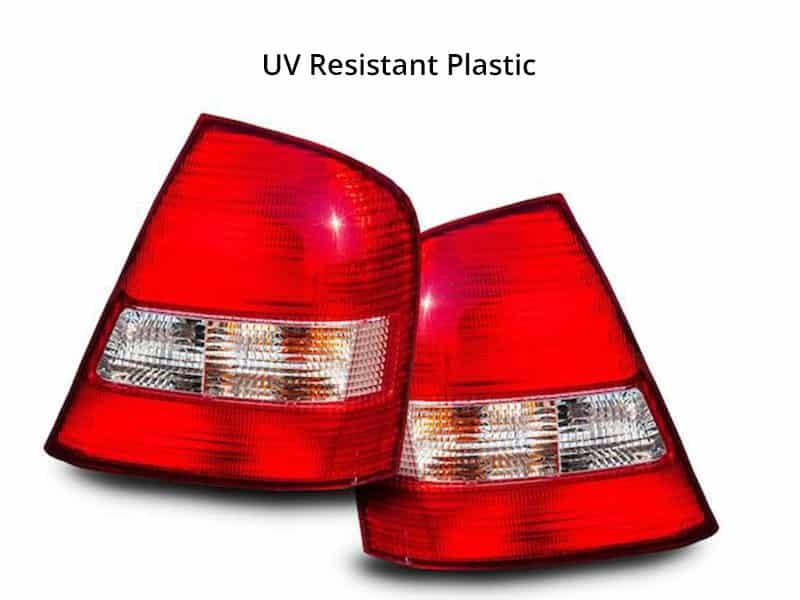
Ultraviolet (UV) radiation from sunlight causes gradual degradation in many plastic materials. This process, known
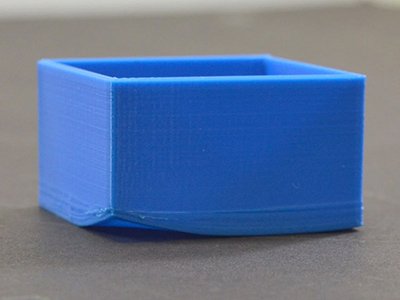
Dimensional control is a central concern in injection molding. Even when the mold is precisely
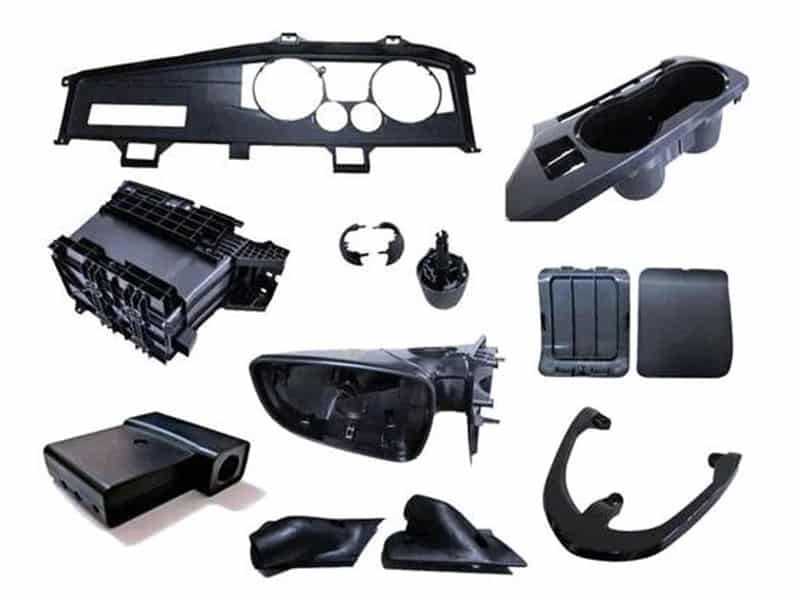
Plastics have become a primary material in modern vehicle manufacturing. The use of automotive plastic
Polymer materials are BY FAR the most unique materials in modern manufacturing. You see them
In the food and beverage industry, safety is paramount. Every component that comes into contact