
Polycarbonate Manufacturing Guide
What is Polycarbonate?
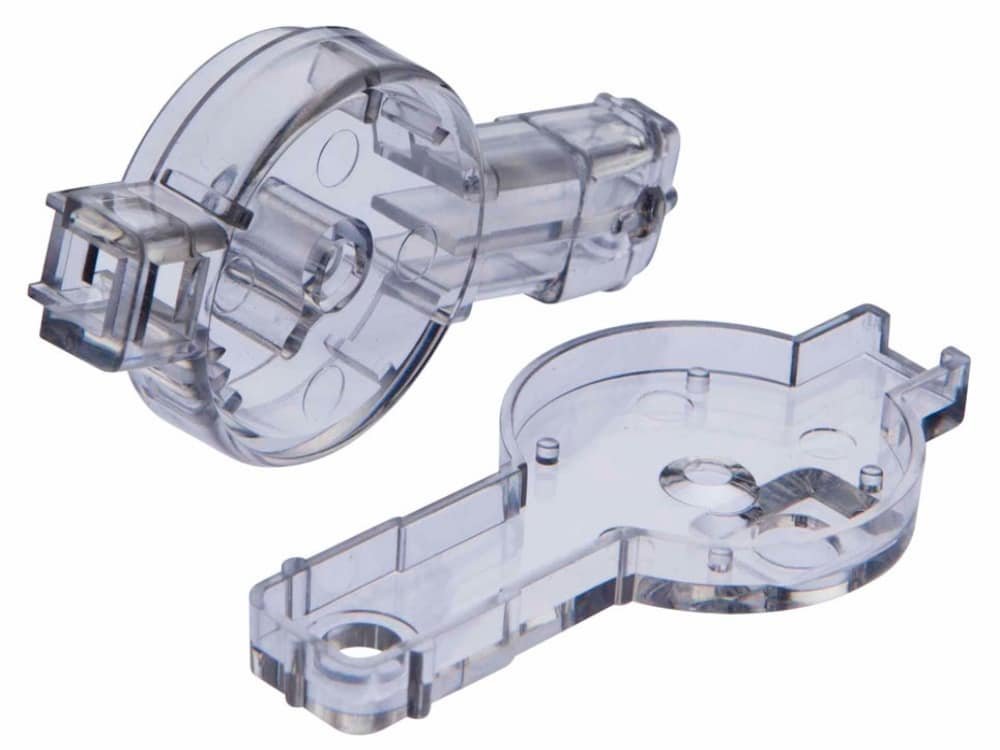
Polycarbonate (PC) is a high-performance, transparent thermoplastic that combines toughness, dimensional stability, and optical clarity. It is known by the trade name Lexan, Makrolon, Makroclear, acroPlus®, and others. The material is categorized as an amorphous polymer, meaning it softens gradually above its glass transition temperature and does not have a sharp melting point.
The name “polycarbonate” comes from the chemical backbone of the polymer, which includes carbonate (–O–C(=O)–O–) linkages. It is most commonly manufactured via reactions involving bisphenol A (BPA) and phosgene, or via transesterification with diphenyl carbonate.
Different Types of Polycarbonate
Polycarbonate comes in various formulations and special grades tailored for different performance requirements.
The choice of PC grade impacts clarity, impact resistance, scratch resistance, UV stability, and functional performance. As a PC parts manufacturer, Erye molding helps you selecting the correct grade for your part’s environment and function.
General Purpose Polycarbonate
The baseline, clear injection-moldable grades with good toughness, transparency, and dimensional stability. These are used for housings, covers, machine guards, and general structural parts.
Flame-Retardant Polycarbonate (UL94 V-0 Rated)
Grades engineered with flame-retardant additives or inherently fire resistant formulations that meet UL94 V-0 (self-extinguishing) ratings. Ideal for electronics, enclosures, and equipment where fire safety is mandated.
Glass-Filled Polycarbonate
PC reinforced with glass fiber (commonly 10–30 %) for increased stiffness, dimensional stability, and reduced creep. Used in more rigid structural parts under mechanical load.
Medical-Grade Polycarbonate
Specially formulated for biocompatibility, sterilizability (e.g. withstanding autoclave or gamma), and cleanliness. Selected for implants, medical devices, labware, diagnostic equipment. (Many Makrolon lines include medical portfolios)
Optical-Grade Polycarbonate
Ultra-clear, low haze grades designed for lenses, transparent covers, light diffusers. These exhibit minimal distortion, high light transmission, and controlled birefringence.
Properties and Features of Polycarbonate
Polycarbonate (PC) is prized for combining transparency, toughness, and thermal stability. It is widely used in the industry for its eco-friendly processing and recyclability. The Key properties of Polycarbonates include the following.
Mechanical Properties
- Toughness: PC maintains high toughness across wide temperature range; it can resist fracture under impact much better than typical plastics.
- High impact strength: Unfilled PC often shows tensile strength in the range of ~55–75 MPa and flexural modulus of ~2.0–2.4 GPa (depending on grade).
- Long-term load: PC resists deformation under sustained load—not as good as fully rigid plastics, but better than many commodity resins. Glass-filled grades reduce creep further.
Optical Properties
- Transmittance: PC is an extremely clear plastic that can transmit over 90% of light as good as glass. Polycarbonate sheets are available in a wide range of shades. These sheets can be customizable depending on an end-user application.
- Optical nature – For having an amorphous structure, PC offers excellent optical properties. The refractive index of clear polycarbonate is 1.584.
Physical Properties
- Heat resistant: Polycarbonates have high heat resistance. In practical use, many PC parts retain useful stiffness up to ~130–135 °C depending on grade and loading.
- Lightweight: With density ~1.20–1.22 g/cm³, PC is lighter than many glasses yet much stronger.
- Chemical resistance: Good resistance to many diluted acids, alcohols, and aliphatic hydrocarbons. However, aromatic hydrocarbons, strong bases, and chlorinated solvents attack PC.
- UV resistant: Untreated PC is vulnerable to yellowing and brittleness under UV exposure. UV-stabilized grades or coatings are needed for outdoor use.
How to Optimize PC Material Properties
Polycarbonate (PC) properties can be improved when standard grades don’t fully meet performance demands. Two primary strategies are adding additives and blending PC with other polymers.
1. Additives to Enhance PC Properties
By incorporating additives, PC’s weak spots can be mitigated while preserving most of its base performance. But it should be noted that too much filler or modifier can degrade optical clarity, raise cost, or complicate processing.
Reinforcing fillers
Glass fiber, carbon fiber, or mineral fillers (5–40 %) can boost tensile modulus, flexural strength, and creep resistance. For example, adding 20 % glass fiber can significantly raise stiffness and reduce long-term deformation.
Flame retardants
To achieve fire safety ratings (e.g. UL94 V-0), phosphorus, halogenated, or silicone flame retardants are added. These help reduce heat release and support self-extinguishing behavior.
UV stabilizers
Additives such as benzotriazole derivatives protect the polymer chain against UV degradation, slowing yellowing and embrittlement.
Impact modifiers
Adding a rubbery phase or core–shell modifiers improves toughness, especially under low temperature or sudden loads. The type, dispersion, and interfacial bonding matter.
2. Polymer Blends with PC
Blending PC with complementary polymers yields hybrid materials that combine strengths and offset weaknesses.
PC/ABS blends
One of the most common. ABS imparts better flow, ductility, and cost control; PC brings heat and impact resistance. Many PC/ABS alloys are engineered for electronics housings, automotive interiors.
PC + polyester (PC/PBT, PC/PET)
These blends bring improved chemical resistance, especially for oil, gasoline, and solvents. PC/PBT is common where chemical robustness matters; PC/PET for enhanced thermal stability.
Advantages and Disadvantages of Polycarbonate Material
Polycarbonate’s strengths make it suitable for demanding parts, but no material is perfect. Understanding both what Polycarbonate does well and where it struggles helps you choose wisely and avoid surprises.
Advantages of PC Plastic
Outstanding impact resistance
Optical clarity and light transmission
High temperature resistant
Structural rigidity combined with ductility
Good insulating and electrical properties
Versatile processing methods
Disadvantages of PC Plastic
Poor scratch resistance
Higher material and tooling costs
Susceptibility to chemical attack
Thermal expansion and stress risk
Limited high load creep performance
PC Plastic Manufacturing Process
PC plastic parts can be produced using various manufacturing processes. Below are typical manufacturing process.Injection Molding
CNC Machining
Extrusion
Thermoforming / Vacuum Forming
Polycarbonate Plastic Part Application
Polycarbonate is used across many industries due to its unique combination of transparency, toughness, and thermal stability.
- Optical transparent components, lenses, light pipes, machine guards, safety shields, and glazing panels.
- Electronics enclosures and housings, mobile device shells, display frames, connectors, and LED covers.
- Automotive parts, headlamp lenses, transparent roof panels, or instrument clusters
- Medical device parts, surgical housings, instrument covers, and diagnostics interfaces.
- Consumer goods, lids, covers, transparent panels, and kitchen appliances.

Materials Similar to PC and How to Choose
Polycarbonate vs Polypropylene
Key Differences
How to Choose
Polycarbonate vs Acrylic
Key Differences
How to Choose
Polycarbonate vs ABS
Key Differences
How to Choose
Polycarbonate vs Polyethylene
Key Differences
How to Choose
Get Polycarbonate Plastic Part
FAQs of Polycarbonate Manufacturing
Is Polycarbonate a plastic?
Yes. Polycarbonate (PC) is a type of engineering thermoplastic. It is commonly used where toughness and transparency are required, such as lenses, machine guards, and electronic housings.
What is the melting temperature of Polycarbonate?
Polycarbonate has a melting temperature of around 155–160°C (311–320°F). However, its processing temperature during injection molding is typically much higher, usually 260–310°C.
What is the PC working temperature? What is Polycarbonate temperature rating?
Polycarbonate typically operates within –40°C to 115°C, and some grades can reach about 125°C. Performance near the upper limit may decline over long-term exposure. PC is also known for maintaining impact strength even at low temperatures.
Is Polycarbonate BPA free?
Standard polycarbonate contains BPA, so it is not naturally BPA-free. BPA-free grades do exist, but they must be specifically selected for applications that require them.
What is the different between Polycarbonate and glass?
Polycarbonate is lighter, far more impact-resistant, and less brittle than glass. Glass provides better scratch resistance and optical clarity, while polycarbonate offers better durability and safety.
Can polycarbonate be recycled?
Yes. Polycarbonate is recyclable and classified under recycling code #7 (Other plastics). Recycled PC can be reprocessed into products like electronic housings, construction materials, and automotive components.
Related Resources of Polycarbonate Manufacturing
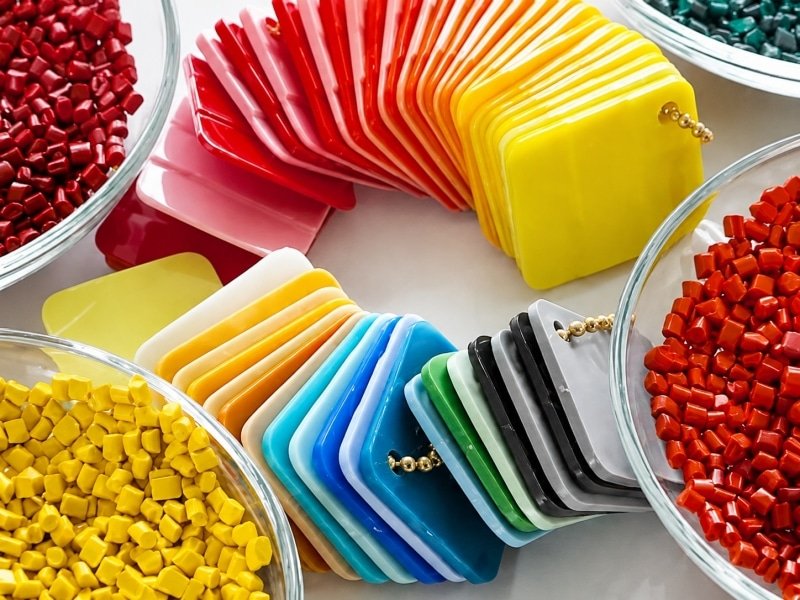
Plastic material selection is one of the most important decisions in the injection molding process.
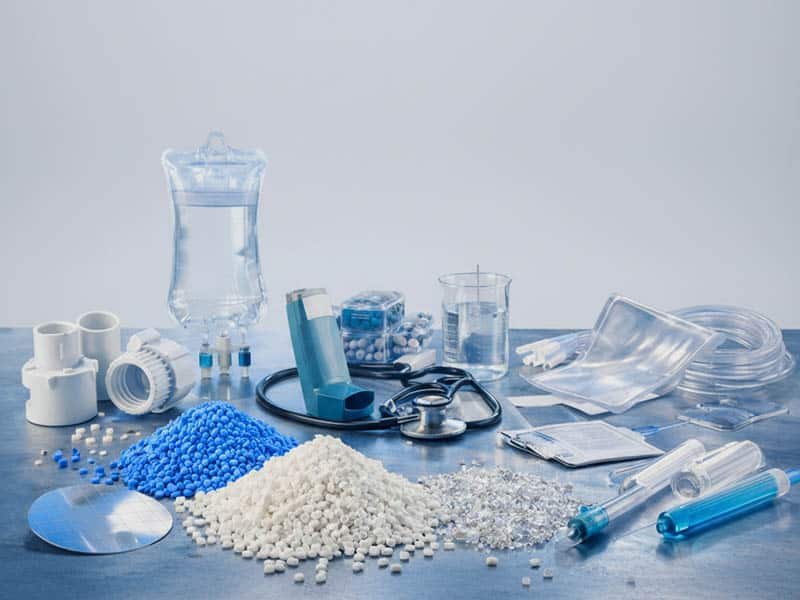
Plastics for medical devices provide safer, more cost-effective, and customizable solutions compared to traditional materials.
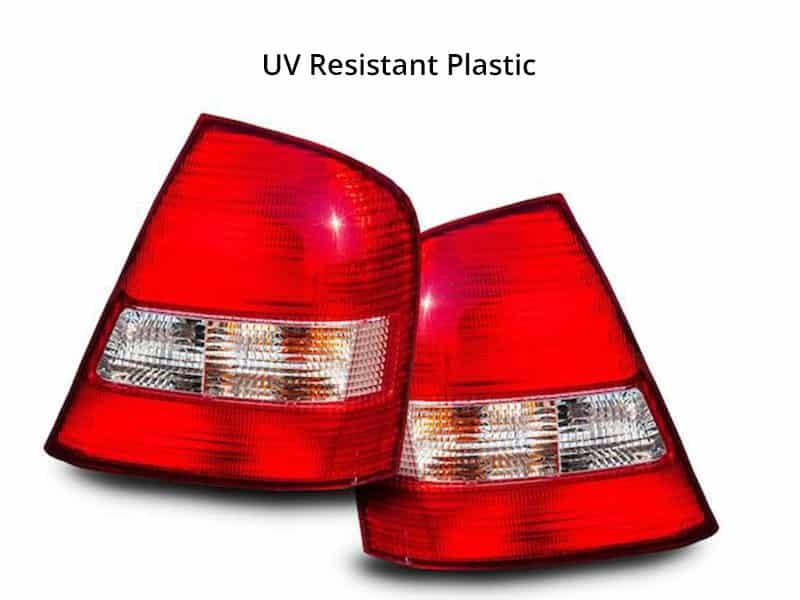
Ultraviolet (UV) radiation from sunlight causes gradual degradation in many plastic materials. This process, known
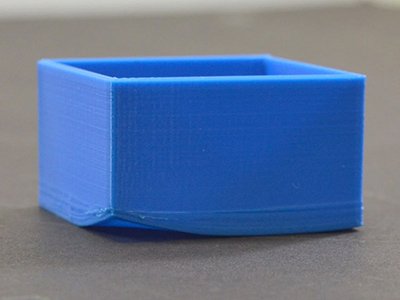
Dimensional control is a central concern in injection molding. Even when the mold is precisely
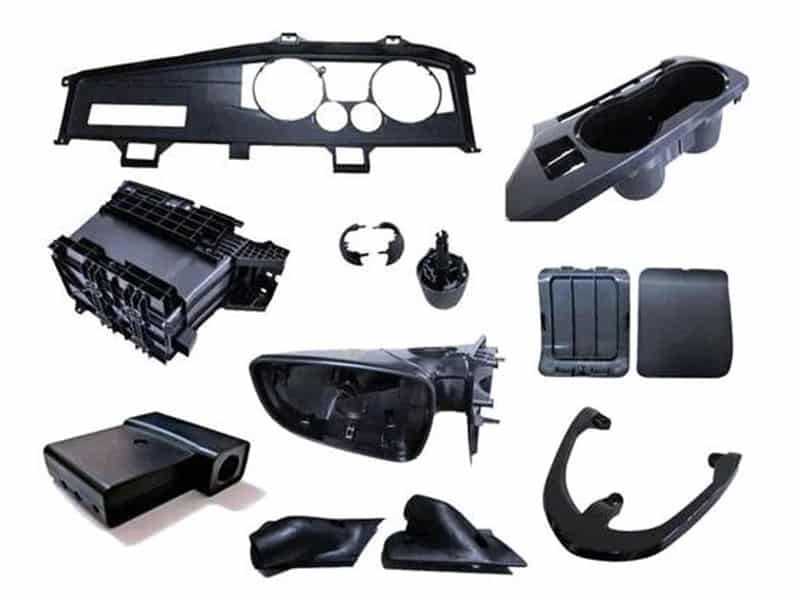
Plastics have become a primary material in modern vehicle manufacturing. The use of automotive plastic
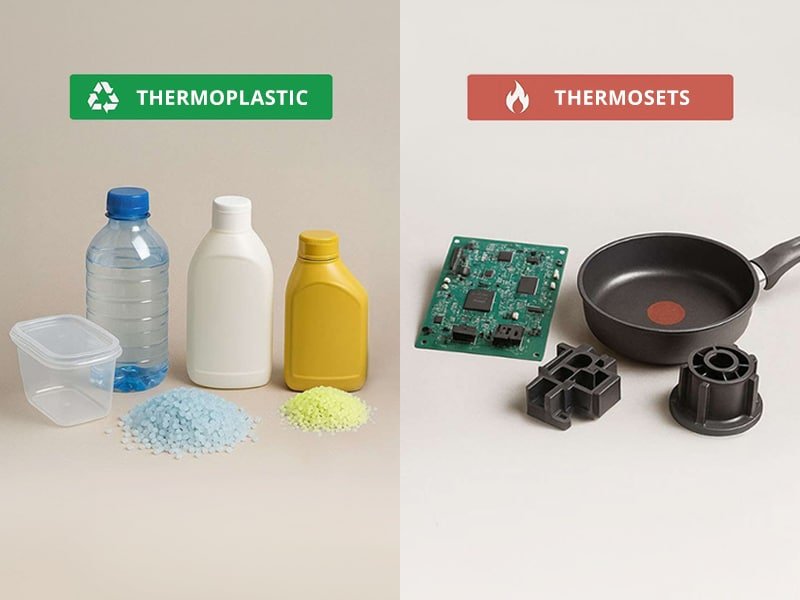
Polymer materials are BY FAR the most unique materials in modern manufacturing. You see them