PVC Plastic Manufacturing Guide
What Is PVC – What Does PVC Stand For?
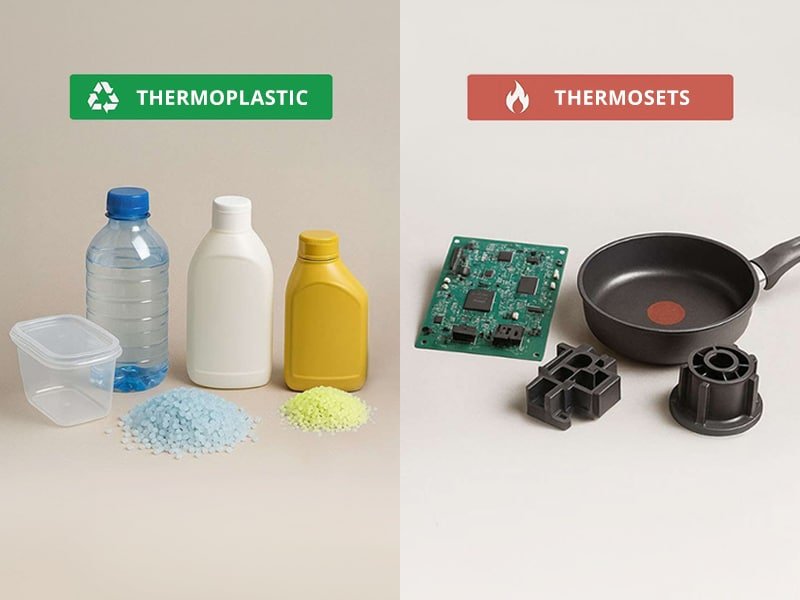
PVC stands for Polyvinyl Chloride. It is a thermoplastic polymer produced by polymerizing vinyl chloride monomers (VCM). One of PVC’s unique characteristics is its chlorine content, which accounts for approximately 57% of the polymer structure. This gives PVC excellent flame resistance, chemical resistance, and durability compared to many commodity plastics.
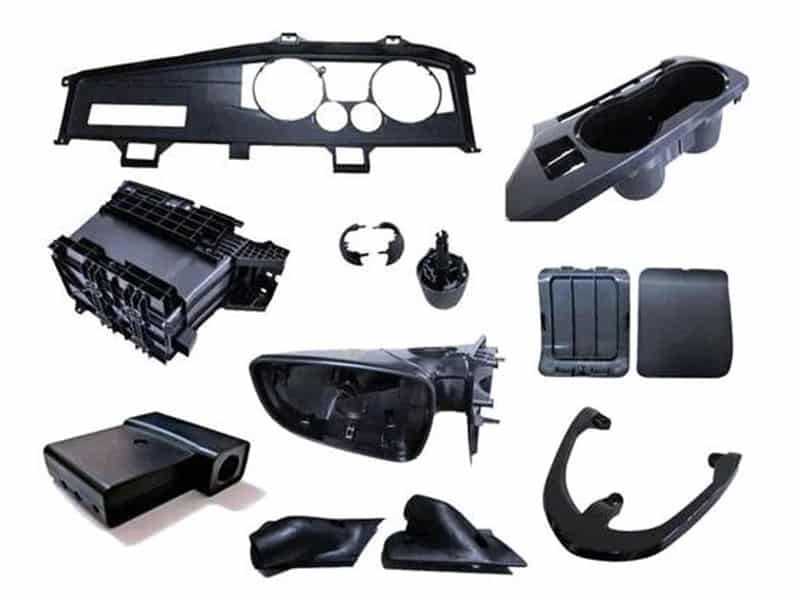
PVC is available in two primary forms: rigid PVC (uPVC), used for pipes, fittings, housings, valves, electrical components, and industrial parts; and flexible PVC, which contains plasticizers and is used for cables, tubing, seals, and soft-touch products. This guide focuses on rigid PVC for injection molded and machined plastic components.
Different Types of PVC
Several PVC formulations are available depending on mechanical, environmental, and regulatory requirements.
General-Purpose Rigid PVC
A balanced grade offering good stiffness, chemical resistance, and cost efficiency. Commonly used for industrial housings, fittings, and electrical components.
High-Impact PVC
Modified with impact modifiers to improve toughness and resistance to cracking. Suitable for outdoor products, protective covers, and structural components.
UV-Stabilized PVC
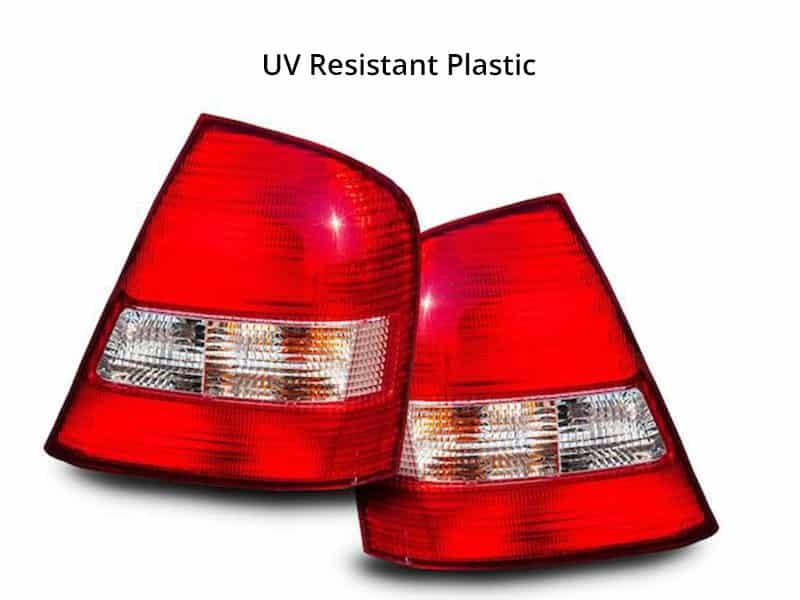
Contains UV stabilizers that improve resistance to sunlight, discoloration, and weathering. Often used in outdoor electrical enclosures and construction products.
Flame-Retardant PVC
PVC naturally offers excellent flame resistance due to its chlorine content. Specialized grades further improve fire performance for electrical and transportation applications.
CPVC (Chlorinated PVC)
Contains a higher chlorine content than standard PVC, providing improved heat resistance and chemical resistance. Often used in hot water systems and industrial piping.
Electrical Grade PVC
Formulated to provide consistent electrical insulation and compliance with industry standards for electrical and electronic applications.
Properties and Features of PVC
Rigid PVC combines durability, chemical resistance, electrical insulation, and affordability. These characteristics make it one of the most widely used engineering plastics in industrial and commercial applications.
Physical Properties of PVC Plastic
- Excellent chemical resistance
- Good corrosion resistance
- High dimensional stability
- Good weather resistance
- Excellent electrical insulation
- Naturally flame retardant
- Low moisture absorption
- Smooth surface finish
- Good wear resistance
- Easy to color and fabricate
Chemical Properties
- Dilute Acids: Excellent
- Dilute Alkalis: Excellent
- Salt Solutions: Excellent
- Oils and Greases: Good
- Alcohols: Good
- Aliphatic Hydrocarbons: Moderate
- Aromatic Hydrocarbons: Poor
- Chlorinated Solvents: Poor
Mechanical Properties of PVC Plastic
- Density: 1.35 – 1.45 g/cm³
- Tensile Strength: 40 – 60 MPa
- Tensile Modulus: 2.4 – 4.1 GPa
- Flexural Modulus: 2.5 – 4.2 GPa
- Elongation at Break: 10 – 50%
- Shore D Hardness: 75 – 85
- Notched Izod Impact Strength: 20 – 120 J/m
- Water Absorption (24h): <0.2%
Thermal Properties
- Glass Transition Temperature: 80 – 87 °C
- Heat Deflection Temperature: 60 – 80 °C
- Continuous Service Temperature: Up to 60 °C
- Thermal Conductivity: 0.14 – 0.19 W/m·K
- Coefficient of Thermal Expansion: 50 – 80 ×10⁻⁶ /°C
Electrical Properties of PVC Plastic
- Dielectric Constant: 3.0 – 4.0
- Dielectric Strength: 20 – 40 kV/mm
- Volume Resistivity: 10¹³ – 10¹⁶ Ω·cm
- Surface Resistivity: 10¹² – 10¹⁵ Ω
Advantages & Disadvantages of PVC Plastic
Below are the main benefits and limitations of rigid PVC from the perspective of product designers, engineers, and manufacturers selecting materials for molded plastic parts.
Advantages of PVC Plastic
Excellent Chemical Resistance
PVC withstands many acids, alkalis, salts, and industrial chemicals, making it suitable for fluid-handling and industrial equipment.
Naturally Flame Retardant
Unlike PP, PE, or ABS, PVC is inherently difficult to ignite and often self-extinguishes when the ignition source is removed.
Good Dimensional Stability
PVC exhibits relatively low shrinkage during molding, helping maintain dimensional consistency for precision components.
Strong Electrical Insulation
PVC is widely used in electrical housings, terminal covers, and insulation components due to its dielectric properties.
Cost-Effective Engineering Material
PVC provides a good balance of performance and affordability compared with many engineering plastics.
Good Outdoor Durability
With proper UV stabilization, PVC performs well in outdoor environments for years.
Disadvantages of PVC Plastic
Lower Impact Strength Than Some Engineering Plastics
Standard rigid PVC can be brittle under high impact loads, especially at low temperatures.
Limited Heat Resistance
PVC is not suitable for continuous exposure to elevated temperatures and can soften under prolonged heat.
Higher Density
PVC is heavier than PP and HDPE, which may be a consideration in weight-sensitive applications.
Poor Resistance to Certain Solvents
Ketones, aromatic hydrocarbons, and chlorinated solvents can attack PVC and cause swelling or degradation.
PVC Plastic Manufacturing Process
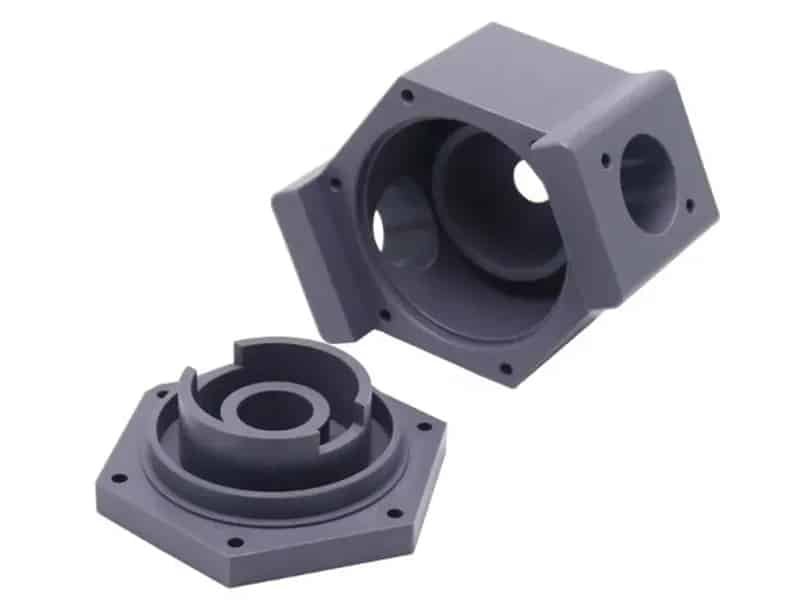
PVC plastic parts can be produced using several manufacturing methods depending on geometry, production volume, and performance requirements.
Injection Molding
CNC Machining
Extrusion
Thermoforming
Blow Molding
PVC Fabrication
PVC Plastic Applications
PVC is commonly used for injection molded and fabricated parts that require chemical resistance, electrical insulation, and long-term durability. Typical applications include:
- Electrical housings, junction boxes, switch covers, and cable management components.
- Pipe fittings, valves, connectors, and fluid handling parts.
- Water treatment and chemical processing components.
- Industrial covers, guards, panels, and protective parts.
- Outdoor enclosures and construction-related plastic components.
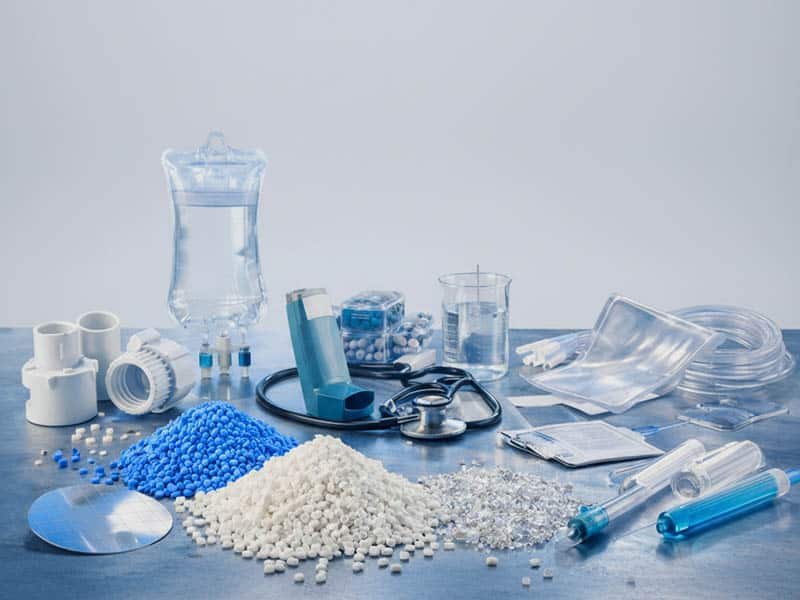
- Medical and laboratory equipment components when appropriate certified grades are used.
Materials Similar to PVC and How to Choose
PVC vs CPVC
Key Differences
How to Choose
PVC vs PP (Polypropylene)
Key Differences
How to Choose
PVC vs HDPE
Key Differences
How to Choose
PVC vs ABS
Key Differences
How to Choose
PVC vs Nylon (Polyamide)
Key Differences
How to Choose
Get PVC Plastic Part
PVC Plastic Material FAQs
Is rigid PVC strong enough for structural applications?
For many industrial and commercial applications, yes. PVC provides tensile strength in the range of approximately 40-60 MPa and offers excellent stiffness. However, highly loaded structural parts may require engineering plastics such as PBT, PA, or PC.
Does PVC resist chemicals?
PVC has excellent resistance to many acids, alkalis, salts, and water-based chemicals. This is one reason it is widely used in piping systems, chemical processing equipment, and water treatment applications.
Is PVC suitable for outdoor use?
Yes. UV-stabilized PVC can perform well outdoors for many years. Standard PVC may experience discoloration or property loss after long-term UV exposure, so outdoor applications often require UV-resistant grades.
Is PVC flame retardant?
Yes. PVC is naturally flame resistant because of its chlorine content. It is significantly more difficult to ignite than materials such as PP, PE, or ABS and is commonly used in electrical applications.
What temperature can PVC withstand?
Rigid PVC is generally suitable for continuous service temperatures up to approximately 60°C. For higher temperatures, CPVC or other engineering plastics may be more suitable.
Can PVC be used for electrical components?
Yes. PVC offers excellent dielectric properties and electrical insulation performance. It is commonly used for electrical enclosures, terminal covers, conduit fittings, and cable management products.
Related Resources of PVC Plastic Manufacturing
Plastics for medical devices provide enabling safer, more cost-effective, and customizable solutions compared to traditional
Ultraviolet (UV) radiation from sunlight causes gradual degradation in many plastic materials. This process, known
Dimensional control is a central concern in injection molding. Even when the mold is precisely
Plastics have become a primary material in modern vehicle manufacturing. The use of automotive plastic
Polymer materials are BY FAR the most unique materials in modern manufacturing. You see them
In the food and beverage industry, safety is paramount. Every component that comes into contact