Polystyrene(PS) Plastic Manufacturing Guide

Polystyrene (PS) is a widely used thermoplastic known for its low cost, excellent dimensional accuracy, smooth surface finish, and ease of processing. It is commonly used for consumer products, packaging, appliance components, and injection molded parts where appearance, consistency, and cost efficiency are important.
Content
    Add a header to begin generating the table of contents

    What Is PS – What Does PS Stand For?

    PS stands for Polystyrene. It is a thermoplastic polymer produced from styrene monomers and is one of the most commonly used plastics in consumer and industrial applications.

    PS is valued for its excellent moldability, dimensional stability, and attractive surface appearance. It can be produced in transparent or opaque forms, making it suitable for a wide range of products, from packaging and laboratory ware to appliance housings and display components.

    Compared with engineering plastics such as ABS, Nylon, or Polycarbonate, PS is typically selected when cost, appearance, and manufacturing efficiency are higher priorities than impact resistance.

    ps molecular structure
    ps molecular structure

    Different Types of PS

    General Purpose Polystyrene (GPPS)

    A transparent grade known for its clarity, rigidity, and smooth surface finish. Commonly used for clear packaging, display products, and laboratory components.

    High Impact Polystyrene (HIPS)

    Modified with rubber additives to improve impact resistance. HIPS is widely used for appliance housings, consumer products, and packaging applications where additional toughness is required.

    Expanded Polystyrene (EPS)

    A lightweight foam material commonly used for protective packaging, insulation, and disposable food containers.

    Properties and Features of PS

    PS combines low cost, good dimensional stability, and attractive surface appearance, making it one of the most widely used plastics for high-volume manufacturing.

    Physical Properties of PS Plastic
    • Excellent dimensional accuracy
    • Smooth surface finish
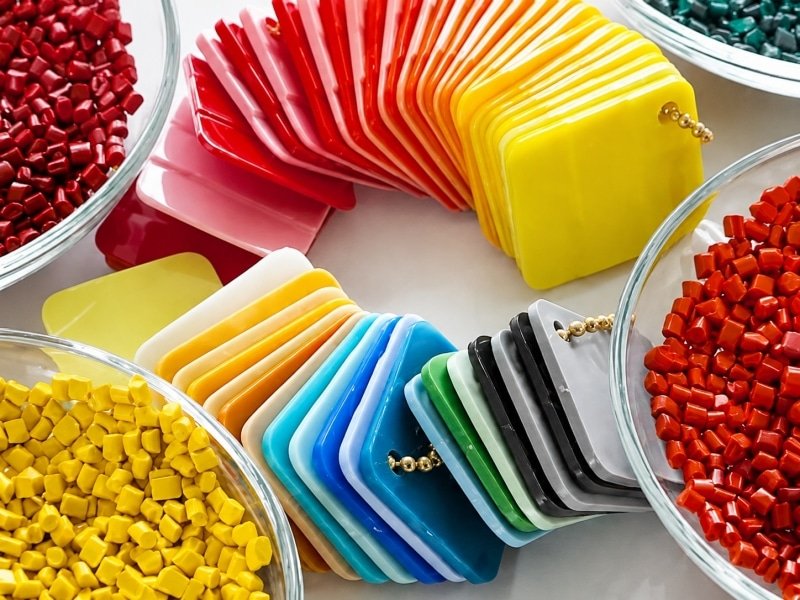
    • Available in transparent grades
    • Lightweight
    • Low moisture absorption
    • Easy to color
    • Good rigidity
    • Good processability
    • Low material cost
    • Suitable for high-volume production

    Chemical Properties

    • Water: Excellent
    • Dilute Acids: Good
    • Dilute Alkalis: Good
    • Oils and Greases: Good
    • Alcohols: Fair
    • Aromatic Hydrocarbons: Poor
    • Ketones: Poor
    • Chlorinated Solvents: Poor

    Mechanical Properties of PS Plastic

    • Density: 1.04 – 1.07 g/cmÂł
    • Tensile Strength: 35 – 60 MPa
    • Tensile Modulus: 3.0 – 3.5 GPa
    • Flexural Modulus: 3.0 – 3.6 GPa
    • Elongation at Break: 1 – 3%
    • Shore D Hardness: 75 – 85
    • Notched Izod Impact Strength: 15 – 30 J/m

    Thermal Properties

    • Glass Transition Temperature: 95 – 105°C
    • Heat Deflection Temperature: 70 – 100°C
    • Continuous Service Temperature: Up to 80°C
    • Thermal Conductivity: 0.10 – 0.15 W/m·K

    Electrical Properties of PS Plastic

    • Electrical insulation performance depends on PS grade and application requirements.
    • PS is commonly used for low-load insulating and electronic packaging applications.

    Advantages & Disadvantages of PS Plastic

    Understanding the strengths and limitations of PS helps determine whether it is the right material for a particular application.

    Advantages of PS Plastic

    PS naturally produces smooth, glossy surfaces that require little post-processing. This makes it suitable for consumer products, packaging, and components where appearance is important.
    PS exhibits relatively low shrinkage during molding, allowing manufacturers to produce parts with consistent dimensions and repeatable quality.
    PS flows easily during processing and fills complex mold cavities efficiently. This helps reduce cycle times and supports cost-effective mass production.
    GPPS offers excellent optical clarity, making it a popular choice for display products, packaging, laboratory ware, and clear housings.
    Compared with many engineering plastics, PS offers a favorable balance between material cost, processing efficiency, and appearance, making it suitable for large production runs.

    Disadvantages of PS Plastic

    Standard PS has limited impact resistance and can crack when subjected to sudden impacts or repeated stress. HIPS grades are often selected when additional toughness is required.
    PS performs well under normal operating conditions but is not suitable for prolonged exposure to elevated temperatures.
    Many organic solvents can attack or dissolve PS. Chemical compatibility should be evaluated carefully before selecting the material.
    Extended exposure to sunlight and weather can lead to discoloration, embrittlement, and reduced mechanical performance.

    PS Plastic Manufacturing Process

    PS can be processed using several manufacturing methods depending on part geometry, production volume, and performance requirements.

    PS Plastic Applications

    PS is commonly used for products where appearance, dimensional stability, and cost efficiency are important.

    Typical applications include:

    • Consumer product housings.
    • Packaging trays and containers.
    • Disposable food service products.
    • Display and retail packaging.
    • Appliance components.
    • Laboratory ware and testing equipment.
    • Electronic packaging and protective inserts.
    • Toys and household products.

    Materials Similar to PS and How to Choose

    PS vs ABS

    PS Plastic Material FAQs

    PS is commonly used for packaging, consumer products, appliance components, laboratory ware, and display products. Its combination of low cost, good appearance, and efficient processing makes it a popular material for high-volume manufacturing.
    Some grades are. General Purpose Polystyrene (GPPS) provides excellent transparency and is commonly used for display packaging, containers, and clear molded parts. High Impact Polystyrene (HIPS) is usually opaque and focuses on improved toughness.
    Yes. Food-grade PS materials are widely used for packaging trays, disposable containers, cups, and food service products. Material selection should always comply with local food-contact regulations.
    PS is relatively rigid but can be brittle compared with materials such as ABS, PP, or Polycarbonate. It performs best in applications where dimensional stability is important and impact loads are limited.
    Standard PS is generally not recommended for long-term outdoor exposure. UV radiation and weathering can reduce its appearance and mechanical performance over time.
    Yes. PS can be recycled and reprocessed into a variety of products. Recycling availability varies by region and local waste management programs.

    Related Resources of PS Plastic Manufacturing

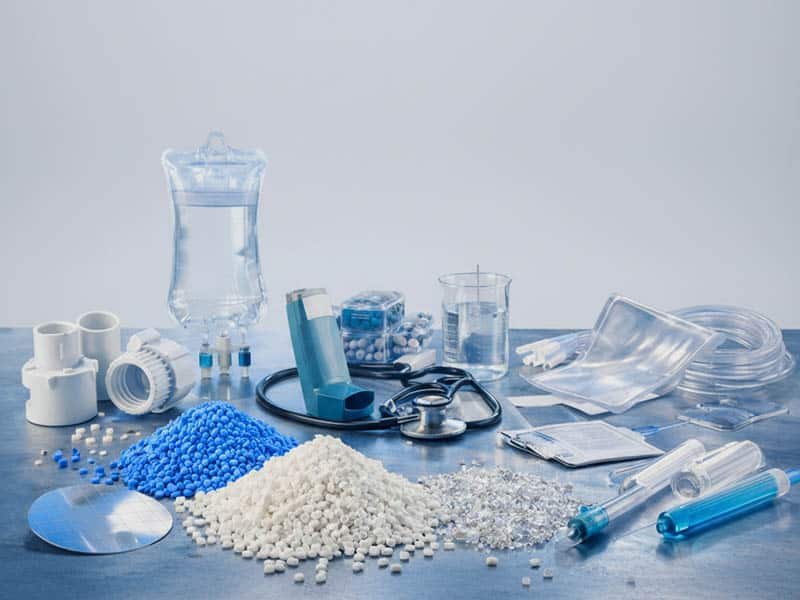
    Plastics for medical devices provide enabling safer, more cost-effective, and customizable solutions compared to traditional

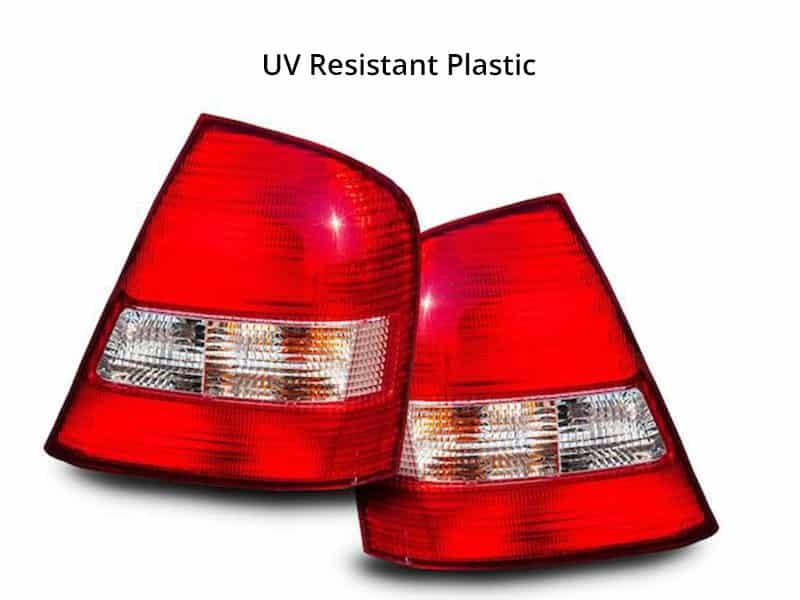
    Ultraviolet (UV) radiation from sunlight causes gradual degradation in many plastic materials. This process, known

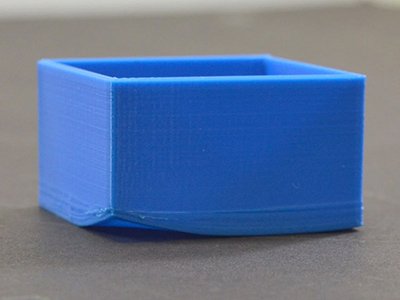
    Dimensional control is a central concern in injection molding. Even when the mold is precisely

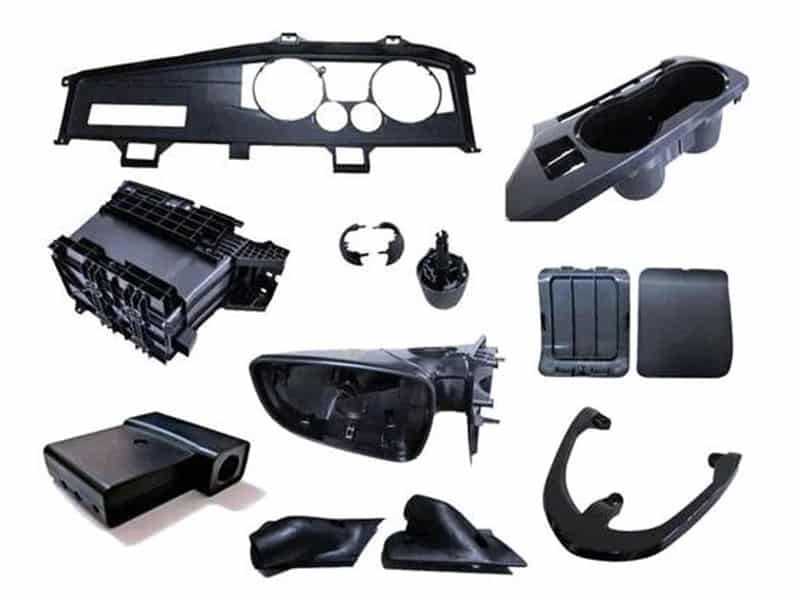
    Plastics have become a primary material in modern vehicle manufacturing. The use of automotive plastic

    Polymer materials are BY FAR the most unique materials in modern manufacturing. You see them

    In the food and beverage industry, safety is paramount. Every component that comes into contact