
What is Compression Molding?
Compression molding is a widely used manufacturing process in which a pre-measured charge of material—typically a thermoset, rubber, or composite—is placed into an open, heated mold cavity. Once positioned, the mold halves (or platens) are closed and subjected to pressure and heat, causing the material to flow, conform to the mold shape, chemically cure, and solidify into the final form.

Compression molding excels at shaping large, high-strength parts with relatively simple geometries. It excels at forming components like gaskets, panels, seals, and electrical housings—especially those too large or thick for other molding processes.
This method is particularly advantageous when working with expensive or specialized materials, as the molten material is placed directly into the mold cavity with little material loss from runners or gates. Additionally, the tooling is typically simpler and less costly compared to injection or transfer molding, making compression molding an economical choice for both low- to medium-volume production and prototyping.
A Brief History and Evolution of Compression Molding
Compression molding has its origins in the early 20th century, when rubber was the primary material used. The process evolved significantly with advancements in material science, particularly with the advent of thermosets and composites in the latter half of the century. Modern compression molding technology has embraced automation and smart systems, making the process faster, more reliable, and environmentally friendly.
The Machinery of Compression Molding

The essential machinery for compression molding includes the mold press, heating elements, and cooling systems. The mold press applies the pressure needed to shape the material, while heating elements regulate the temperature to ensure the material is sufficiently soft. Cooling systems are employed to solidify the material after molding, ensuring a high-quality, durable product.
How Compression Molding Works
- Mold Preparation and Setup: Molds are typically machined from steel or aluminum using methods such as CNC machining. Once ready, they are mounted in a high-tonnage hydraulic press. The mold surfaces are cleaned, and the press is calibrated for precise temperature and pressure control.
- Material Loading (Charge Placement): The material is carefully measured and positioned in the center of the mold’s cavity. Precise measurement is essential: too much material creates excessive flash, while too little leads to incomplete filling.
- Compression, Heat, and Cure: Once the mold halves are closed, heat and pressure are applied simultaneously. Heat serves to soften or activate chemical curing in the material, while pressure forces it fully into the mold’s geometry.
- Opening the Mold and Ejection: Following the cure cycle, the mold is opened. Parts are then ejected using manual tools or automated systems such as ejector pins or pushers—depending on part complexity and production volume.
- Trimming (Removing Flash) and Finishing: Compression molding often results in thin, excess material along the parting line—known as flash. This is manually trimmed or removed via automated processes like cryogenic deflashing. The part may also undergo cleaning and light finishing operations to ensure it meets specifications.
Types of Compression Molding
Compression molding is a highly versatile technique that can be tailored to meet the specific demands of various industries. From traditional methods to advanced innovations, the type of compression molding process chosen will depend on factors such as material properties, product design complexity, and production volume.
Rubber Compression Molding
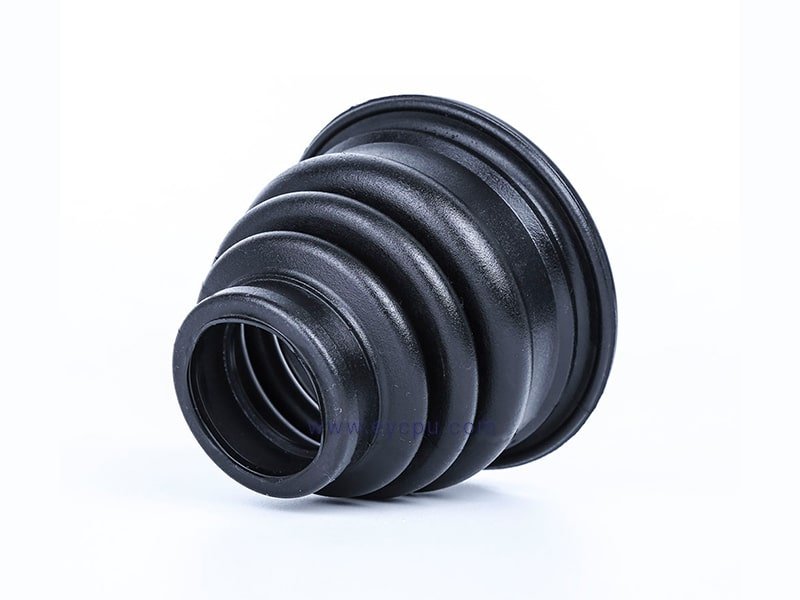
Rubber compression molding is one of the most common applications of the compression molding process. Natural rubber, synthetic rubber, and elastomers, due to their excellent material properties, including high elasticity and wear resistance are frequently used in this process. Common materials include silicone (MVQ), EPDM, NR, NBR, CR, SBR, IIR, FKM, and FFKM, with different material options for compression molding suited to specific part requirements.
This process is primarily used for producing components like seals, gaskets, and rubber-based parts that require flexibility, resilience, and durability. The key to producing high-quality rubber parts lies in maintaining precise temperature and pressure controls, ensuring that the rubber cures evenly without defects like air pockets or uneven vulcanization.
Learn our Rubber Compression Molding Service
Plastic Compression Molding
Plastic compression molding is used to produce high-strength, lightweight plastic parts for applications such as electrical insulation, automotive components, and appliance parts. Material selection depends on the required strength, heat resistance, chemical resistance, electrical properties, and dimensional stability. The two main material categories used in this process are thermosets and thermoplastics.
- Thermoset materials: Undergo an irreversible chemical reaction during curing and cannot be reheated or reshaped once cured. Common materials include phenolic, epoxy, and melamine resins.
- Thermoplastic materials: Can be reheated and reshaped after cooling, allowing them to be processed and remolded multiple times. Common materials include PTFE compression molding and UHMW compression molding.
Learn our Plastic Compression Molding Service

Account for Press Capacity and Compression Ratio
Compression molds endure high tonnage and must be designed to withstand press tonnage without distortion. Calculating the correct compression ratio ensures the material is adequately compacted for proper cure and density. Ignoring this aspect can lead to underfilled parts or excess deformation.
Plan for Flash Control and Parting Lines
Flash—excess material squeezed out at mold seams—is a common defect in compression molding. Strategic placement of parting lines—preferably in low-visibility or low-stress areas—and mold features that simplify flash trimming are essential for cleanliness and efficiency.
Compensate for Shrinkage and Thermal Expansion
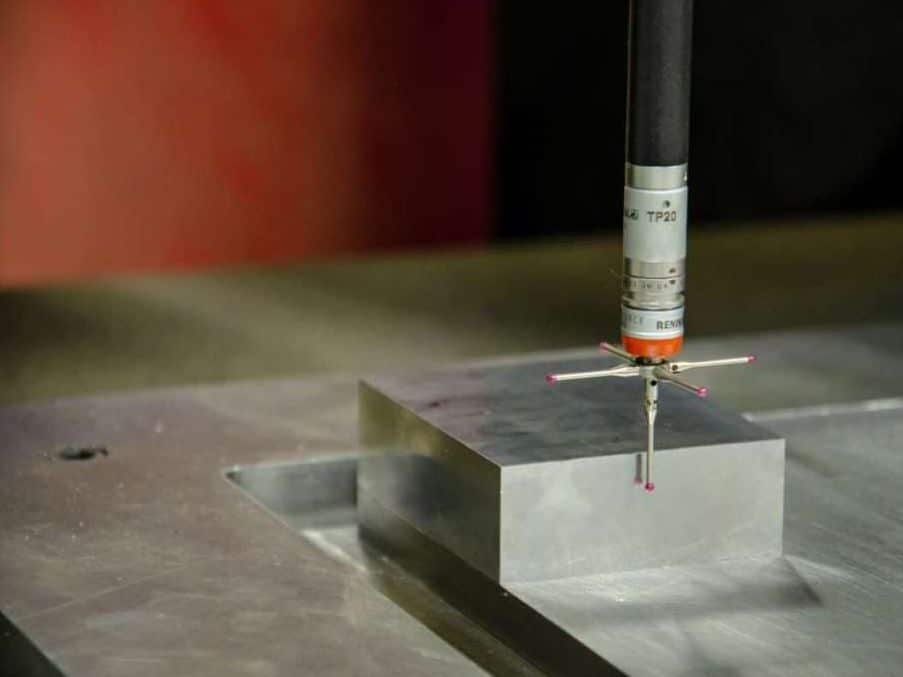
Materials shrink as they cure and cool, while the mold itself can expand and contract with temperature changes. These dimensional changes must be considered when sizing the mold cavity and defining critical features, especially for parts with tight tolerances. Mold dimensions may need to be adjusted to compensate for expected material shrinkage and thermal expansion, helping the finished part achieve the required dimensions after cooling.
Consideration of Manufacturability
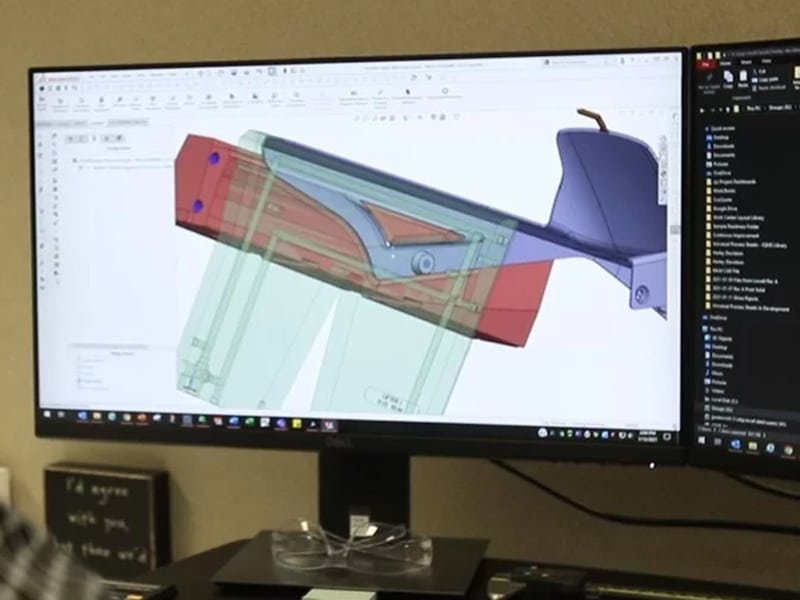
When designing molds for compression molding, manufacturability must always be considered. One of the most important considerations is the ease of part ejection. Components that are difficult to remove from the mold often lead to delays and potential damage, which can increase production costs.
The material flow within the mold is another critical factor. The design should allow the material to fill the cavity uniformly to avoid defects. Additionally, optimizing cooling and heating systems within the mold ensures that parts cure uniformly, leading to better consistency and performance.
Factors Affecting Compression Molding Products’ Quality
Compression molding is a precise manufacturing process influenced by several key factors that directly impact the quality, efficiency, and cost of the final product. Understanding and optimizing these factors are essential to ensuring high-quality parts, cost-effectiveness, and minimized production downtime.
Temperature Control
Temperature is one of the most critical factors in compression molding. Both the mold and the material must be maintained at the correct temperatures to achieve the desired material flow and part properties. If the temperature is too high or too low, it can result in defects such as incomplete filling, warping, or poor part quality.
It also influences cycle time, as the material needs sufficient time to heat and cure within the mold. Automated temperature regulation systems are often used to monitor and adjust mold and material temperatures, ensuring the process remains consistent and efficient.
Pressure Application
Pressure plays a pivotal role in determining the final properties of the molded part. The application of pressure forces the material into the mold cavity, ensuring that it fills the mold entirely and evenly. In compression molding, too much pressure can cause excessive flow, leading to material overflow or flash, while too little pressure may result in incomplete part formation.
Proper pressure application also impacts material compaction, which can affect part strength and durability. High-pressure molding techniques are often used when manufacturing high-performance parts that require exceptional strength and dimensional stability.
Curing Time
Curing time is the amount of time the material must remain under heat and pressure. This time is critical to ensuring the material undergoes the necessary chemical reactions to achieve full solidification and structural integrity. If curing time is too short, the material may not fully cure, resulting in parts that are weak or poorly formed. On the other hand, excessive curing time can lead to degradation of the materials. Managing curing time effectively helps to optimize cycle time, reduce defects, and enhance the final part’s quality.
Material Consistency
Material consistency is a fundamental aspect of the compression molding process. Variations in material properties, such as viscosity, filler content, or batch quality, can have significant effects on part quality. Inconsistent materials may not flow uniformly into the mold, leading to uneven parts, air pockets, or weak points. When selecting a compression molding material, it is important to consider consistency across batches and verify that the material meets the required specifications.
Quality Control in Compression Molding
Ensuring high-quality outputs in compression molding requires rigorous quality control measures at each stage of the process. From material selection to post-production inspection, quality assurance is vital to maintaining consistency and durability across all molded parts.
Measuring Part Dimensions and Tolerances
Measuring part dimensions and tolerances is an essential aspect of ensuring that molded parts fit together properly in assembly and function as intended. High-precision measuring tools like calipers, micrometers, and laser scanners are used to evaluate the part’s overall geometry, including wall thickness, length, and width. Computer numerical control (CNC) machines are often employed for automated measuring in high-volume production, ensuring that every part meets the required specifications without deviation.

Testing Molded Parts for Performance and Durability
Performance and durability tests are essential for evaluating how well compression-molded parts hold up under operational conditions. For instance, parts that will be exposed to heat, chemicals, or mechanical stress are subject to specialized tests, such as tensile testing, impact testing, and thermal cycling. Tests also check for specific attributes like flexibility, elasticity, or electrical conductivity, depending on the application.
Cost Considerations in Compression Molding
While compression molding offers several advantages, including versatility and low material waste, it is essential to understand the associated costs to ensure profitability. From tooling and setup to material selection, various cost factors must be balanced to maintain cost-effectiveness in the manufacturing process.
Understanding Tooling and Setup Costs
Tooling costs in compression molding are high, especially for highly customized molds. The complexity of the mold design, the material selected, and the expected production volume all influence tooling expenses. For example, molds made from high-strength steel or aluminum require substantial investment but offer long-term durability for high-volume production runs.
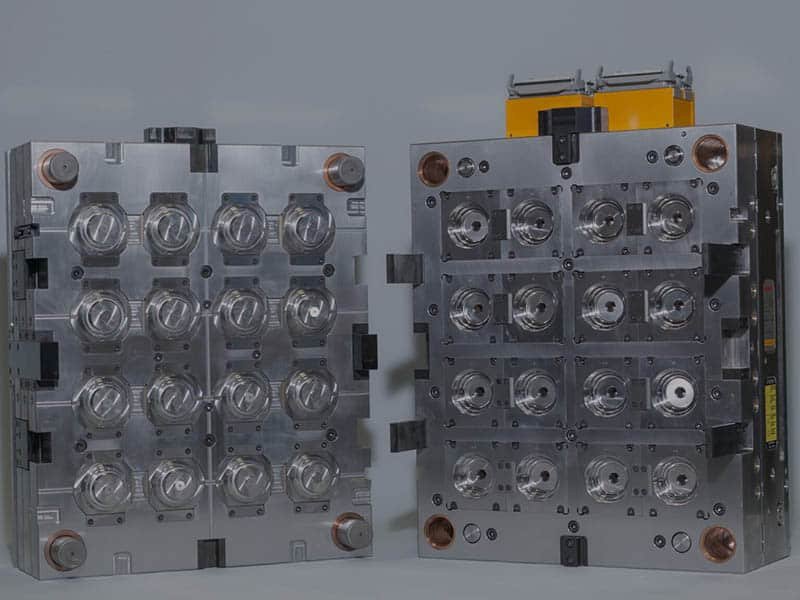
Setup costs can also be considerable, as adjusting molds and equipment for each new batch or material requires time and labor. These costs must be factored into overall production costs, particularly for shorter production runs or prototype manufacturing. When evaluating a compression molding project, choosing tooling that can accommodate the required materials or part variations with minimal adjustments can help reduce setup costs and downtime.
Material Costs and Their Impact on Production
The choice of material significantly impacts both the initial cost and long-term production expenses. While high-performance materials such as composites or specialized elastomers can enhance product performance, they often come at a higher cost. Conversely, lower-cost materials like standard thermoplastics may offer lower performance but can be more cost-effective for mass production.
Material prices can vary based on market demand, availability, grade, and quality, so these factors should be considered when estimating the overall project cost. Additionally, material efficiency plays a role in managing production costs—minimizing waste and optimizing material usage can significantly reduce overall material expenses.
Optimizing the Balance Between Production Speed and Cost
Compression molding allows for the production of high-quality parts, but optimizing the balance between production speed and cost requires careful planning. Faster production often leads to higher costs due to factors like increased energy use, faster wear on tooling, and more frequent mold changes. On the other hand, focusing on cost-efficiency may extend production time, affecting output and profitability.
Balancing production speed and cost requires evaluating the most cost-effective way to manufacture each part without sacrificing quality or consistency. Process optimization techniques, including automation, mold design, and material selection, can help improve production rates while maintaining cost-effectiveness.
Benefits of Compression Molding
Compression molding offers several advantages for parts that require durability, flexibility, consistent quality, and controlled production costs. Understanding these advantages can help you determine whether compression molding fits your part requirements, production volume, and material selection.
Common Applications of Compression Molding
Compression molding is used across many industries due to its ability to produce durable, high-performance parts in a cost-effective manner.
Automotive Industry: High-Performance Parts and Seals
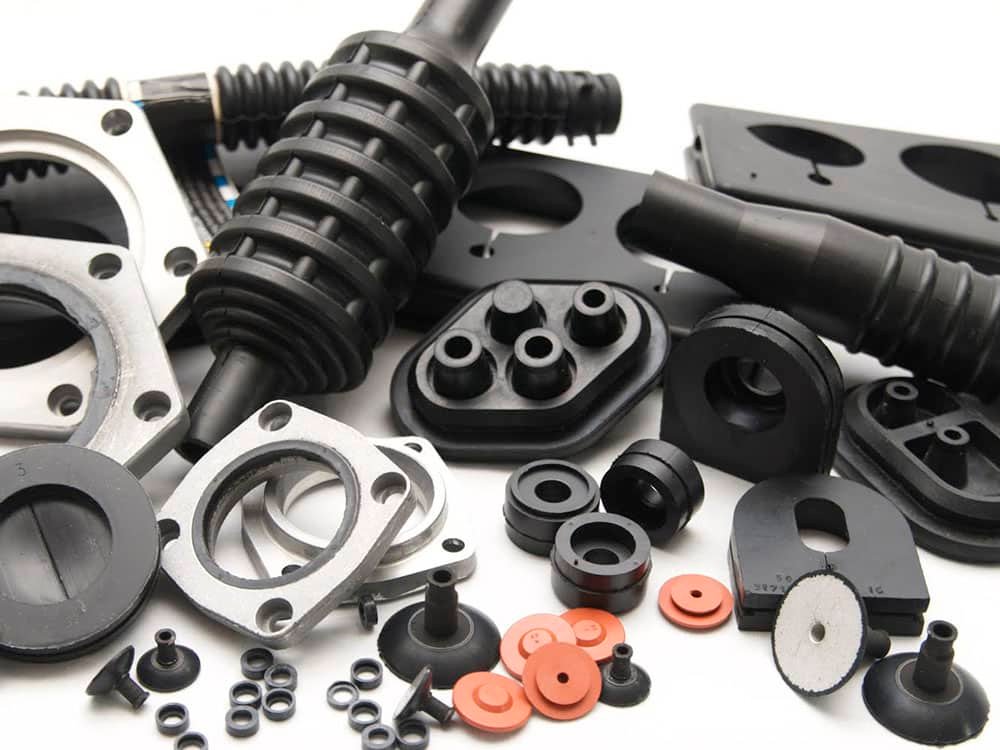
In the automotive industry, compression molding is commonly used to create high-performance parts, such as seals, gaskets, and bushings. These components require excellent durability, resistance to heat, and the ability to withstand harsh operating conditions. Rubber and thermoplastic materials are often used for automotive components, offering properties such as flexibility, vibration dampening, and resistance to oils and chemicals.
Consumer Goods: Durability and Cost-Effectiveness
Compression molding is also widely used in the production of consumer goods, where durability, cost-effectiveness, and material versatility are essential. Items such as kitchen appliances, tools, and household products benefit from compression molding’s ability to create parts with intricate designs and high strength.
Medical and Healthcare: Precision Components and Safety
In medical device manufacturing, the use of rubber, elastomers, and medical-grade plastics in compression molding allows parts to achieve biocompatibility, durability, and resistance to sterilization processes. For medical applications, these material and molding characteristics can help meet the required safety, dimensional, and functional requirements of devices and components.
Aerospace Industry: Lightweight, High-Strength Parts
Aerospace applications demand lightweight, high-strength parts that can endure extreme temperatures and stresses. The high strength-to-weight ratio of compression-molded composite materials ensures that aerospace parts meet performance specifications without adding unnecessary weight.
Electrical and Electronics: Insulation and Conductivity
In the electrical and electronics industries, compression molding is often used to produce parts that provide insulation, conductivity, or both. Components such as connectors, insulators, and switches are commonly made using this technique, especially when the parts require consistent material properties and electrical performance.

Choosing the Right Compression Molding Service Provider
Selecting the right compression molding service provider is crucial for ensuring the success of any project. The right partner can help optimize production, improve quality, and offer valuable insights into material selection, mold design, and process improvements.
Key Criteria for Selecting a Compression Molding Partner
When choosing a compression molding service provider, it’s important to evaluate several key factors:
- Experience and Expertise: The provider should have a proven track record of success with similar projects and a deep understanding of molding processes. Look for expertise in both traditional and advanced molding techniques, as well as knowledge of materials and quality control practices.
- Technology and Equipment: Evaluate the provider’s equipment inventory to ensure they have the necessary machines to handle your specific needs. Advanced molding equipment, automation, and process monitoring systems are essential for producing high-quality parts efficiently.
- Capacity and Scalability: Choose a provider that can meet your production volume needs, whether for high-volume runs or small-batch, customized parts. The provider should also be able to scale up or down depending on your future production requirements.
- Lead Times and Production Costs: Assess the provider’s ability to meet lead times while maintaining competitive pricing. Efficient production and quick turnaround times are essential to keeping projects on schedule and within budget.
Conclusion
Compression molding continues to play a critical role in modern manufacturing. Its versatility, cost-effectiveness, and ability to produce high-quality, durable parts make it essential across industries such as automotive, medical devices, aerospace, and consumer goods.
We hope this ultimate guide to compression molding has provided you with valuable insights and a deeper understanding of the process. Whether you’re exploring new manufacturing options or refining your current approach, we trust that the information shared will help you make more informed decisions moving forward.