
Precision CNC machining turns a digital design into a physical part while holding tolerances tight enough that every part comes out nearly identical. If you have ever had a batch of parts where half fit and half didn’t, you already know why this matters. Below is a detailed explanation of what precision CNC machining actually involves, how it works, and how it demonstrates high precision.
What is Precision CNC Machining
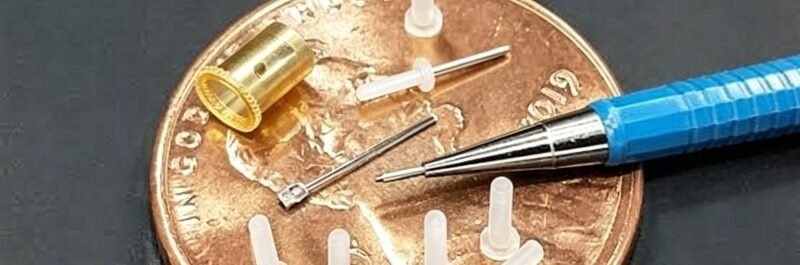
Precision CNC machining is a manufacturing process controlled by computer code instead of a person’s hands. A block of material gets cut, drilled, or ground down until only the finished part remains. The precision refers to how tightly the final dimensions match the design. Standard CNC machining might hold a ±0.05 mm tolerance. Precision CNC machining often holds ±0.005mm to ±0.02mm tolerance, and some processes go tighter still.
For example, if the pin holes of a small connector housing for a sensor sit off by even a tenth of a millimeter, the connector won’t seat properly, and the whole assembly will malfunction. That is the kind of problem precision machining exists to prevent.
Precision CNC Machining vs Standard CNC Machining
Both processes run on computer-controlled machines. The difference is how tightly the whole process is controlled, from tolerance to temperature to inspection.
| Standard CNC Machining | Precision CNC Machining | |
|---|---|---|
| Tolerance control | Typically ±0.05mm to ±0.1mm | Typically ±0.005mm to ±0.02mm, sometimes tighter |
| Repeatability | Some drift possible over long runs | Every part measures the same in the run |
| Surface finish | Less tightly specified | Programmed to a specific Ra value and checked on every part |
| Process controls | Standard setup and periodic checks | Thermal control, tool wear compensation, in-process CMM checks |
| Best suited for | General components, less critical fits | Tight-fit assemblies, high-volume consistency, regulated industries |
How Precision CNC Machining Parts Get Made
A CAD file doesn’t become a finished part in one step. It passes through a sequence of checks and processes, each one catching what the last one might miss:
- Design review: Your file gets checked for features that are hard or impossible to hold to tolerance, such as thin walls, deep pockets, tight internal corners.
- CAM programming: The program generates the tool path and simulates it to test collisions or wasted motion before the machine ever touches material.
- Setup and calibration: The stock gets fixtured first, then the tools get measured, and the machine gets zeroed against a known reference point.
- Roughing: Bulk material comes off fast, leaving a small allowance for the finishing pass.
- Finishing: Slower, lighter cuts bring the part to final dimension and surface finish.
- In-process checks: Critical dimensions will be measured in process, so a drifting tool gets caught early.
- Post-processing: According to the specification, deburring, anodizing, passivation, or plating will be carried out.
- Final inspection: A CMM or precision gauges confirm every critical dimension against the drawing before parts ship.
Types of Precision CNC Machining Processes
The geometry of your part decides which precision process fits best. Here are the main ones you will run into:
- Precision milling: A rotating cutter removes material from a fixed workpiece, used for pockets, slots, and complex 3D shapes.
- Precision turning: The workpiece spins against a fixed cutting tool. This is how you get round, cylindrical parts like shafts and bushings.
- Swiss-type turning: The stock moves through a guide bushing as it is cut, which holds tight tolerances on small, long, and thin parts.
- 5-axis machining: The tool and part move on five coordinated axes, letting complex and angled features get cut in one setup.
- Precision grinding: An abrasive wheel takes tiny amounts of material off, used when a tolerance is too tight even for finish milling.
- Wire and sinker EDM: Electrical discharge erodes material, useful for hardened metals or intricate internal shapes that cutting tools can’t reach.
How Precision CNC Machining Holds Tight Tolerances
Holding a tolerance of a few microns does not solely depend on an excellent machine; rather, it requires controlling all the factors that could potentially affect the precision of the parts.
Machine Rigidity
A stiffer machine vibrates less under cutting load, which keeps the tool exactly where designated by the program. Any flex in the spindle or the frame shows up directly in the finished dimension. That is why precision machining runs on machines built with heavier frames and tighter bearing tolerances.
Tool Wear Compensation
Cutting tools dull slightly with use, even within a single run. If not checked, that wear creeps into the part dimensions one cut at a time. Precision machining measures tool wear at set intervals and adjusts the toolpath automatically, so dimensions stay consistent no matter how far the processing process has progressed.
Thermal Control
Metal expands with heat, including the heat generated by cutting itself. A part measured warm off the machine can be measured differently once it cools to room temperature. Precision machining happens in temperature-controlled rooms so a part measures the same no matter what time of day it comes off the machine.
Cutting Parameters
Feed rate, cutting depth, and spindle speed all affect how the tool behaves against the material. If the adjustment of any parameter is too large, the tool deflects slightly or leaves faint vibration marks on the surface; both influence the final dimension. Precision machining adjusts these parameters to the specific material and tool combination, rather than running one generic setting across every job.
Advantages of Precision CNC Machining
With those controls together, precision CNC machining can offer advantages that standard CNC machining cannot achieve:
Control Tolerance Stack-Up
Precision machining keeps each part’s individual error small enough that several parts can come together without the errors adding up into a misfit. When several parts come together in one assembly, each part’s small tolerance error adds to the next part’s. Multiple parts with standard tolerances can add up to an assembly that won’t close.
Better Surface Control
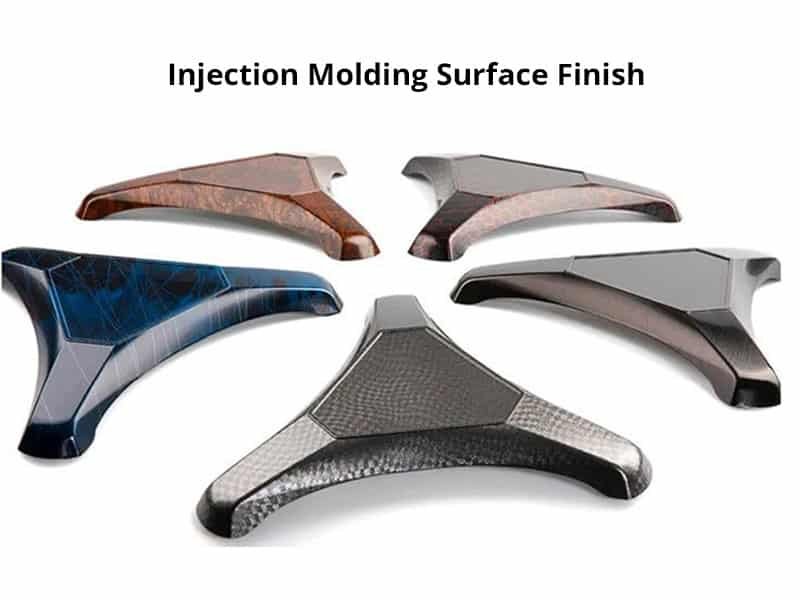
Precision machining controls surface finish as well as dimensional accuracy, producing mating and sealing surfaces with a more consistent finish than standard machining. Better surface control helps these surfaces maintain their intended fit and contact over time, reducing wear, looseness, and leakage.
Direct Prototype-to-Production Transition
Precision machining lets a prototype’s tolerances carry straight through to full production. There’s no redesign gap between the two stages, and no re-validation of tolerances from scratch. That continuity shortens the time between a working prototype and a shippable product.
Consistency at Volume
Dimensions stay the same no matter how far into the run a part comes off the machine. That means quality doesn’t slide as the batch gets longer, which matters most on high-volume orders. It also means fewer unforeseen circumstances when parts from different production dates get mixed on the same assembly line.
Industries That Depend on Precision CNC Machining
Precision CNC machining is critical in industries where tight tolerances, reliable fit, and repeatable performance directly affect product function and safety.
- Aerospace: Structural brackets, fuel system components, and fittings that need to hold up under vibration and pressure cycling.
- Medical devices: Surgical instrument components, implant fixtures, and diagnostic equipment housings, often under strict traceability requirements.
- Consumer Electronics: Connector housings, heat sinks, and enclosures where tight fits protect internal components.
- Robotics and automation: Gripper components, actuator housings, and precision gears that need to repeat motion accurately over millions of cycles.
Conclusion
A part’s tolerance requirement should determine the process choice. If a design needs tight fits or repeatable dimensions across a full run, precision CNC machining is the process built for that specification.
From prototype runs to full production, Erye’s CNC machining service holds the same tight tolerances across every part in the batch. If your next project needs parts that fit perfectly, get in touch and share your drawing.