2. Ignoring Application Requirements
Failing to consider the application’s specific requirements can result in selecting an inappropriate material. Application requirements include mechanical property needs, user environment requirements such as UV exposure, moisture, and temperature, function requirements, secondary process requirements, cost requirements, and certification requirements. Each application requirement demands a careful evaluation of how the material will perform under expected conditions.
We should clearly outline the mechanical, thermal, chemical, and environmental conditions the product will face. Referring to relevant standards and guidelines that specify material requirements for similar applications.
3. Inadequate Understanding of Material Characteristics
Even after selecting a suitable material, insufficient understanding of its performance characteristics under real-world conditions can lead to product failures. Polymers are viscoelastic materials. Their performance can change depending on time, temperature, stress, and environmental conditions. Factors such as creep, fatigue, chemical exposure, thermal degradation, and aging can affect material reliability. Failing to consider these characteristics during material selection may result in premature product failure.
We should understand material behavior under various conditions. Conduct laboratory tests to evaluate properties such as tensile strength, impact resistance, and thermal stability under expected service conditions. Use simulation tools to model how materials will behave under different stresses and environmental factors, helping predict potential failure modes.
4. Overlooking Manufacturing Processes
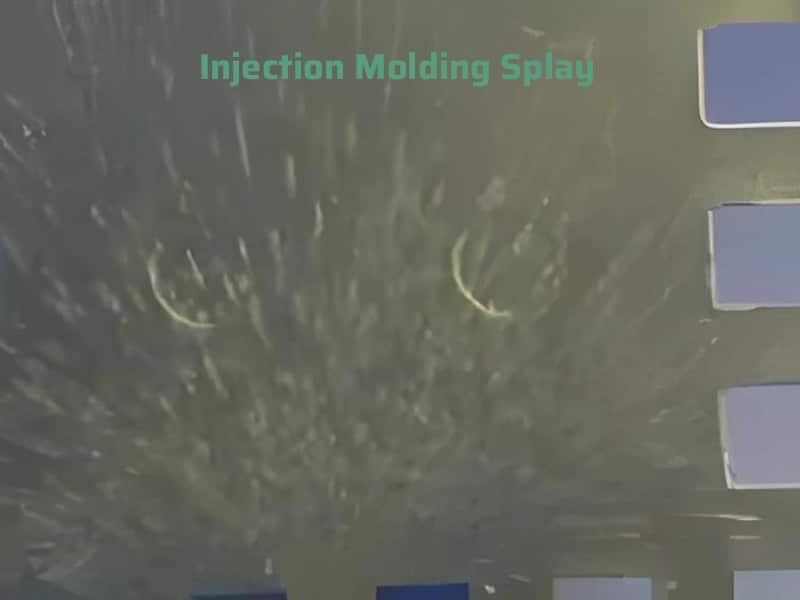
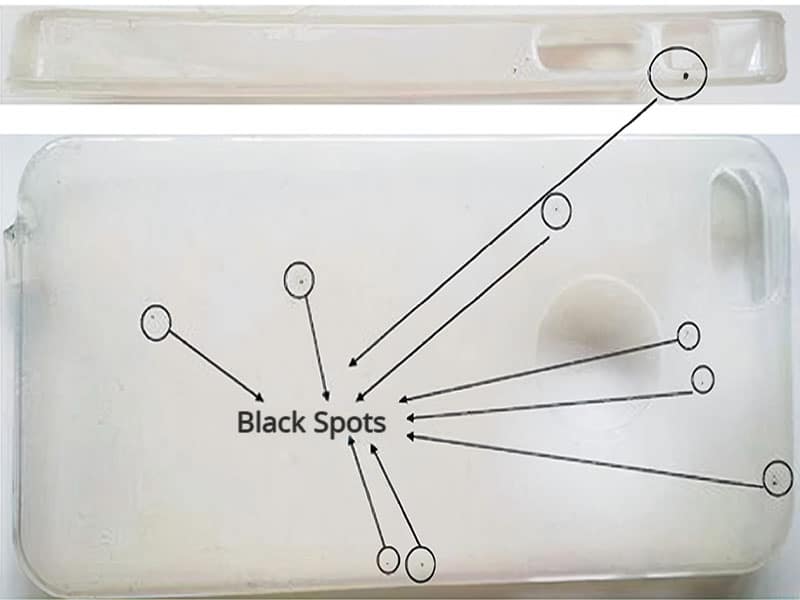
The selected material must be compatible with the manufacturing process. For example, in injection molding, a material with poor flowability may not fill the mold completely, resulting in injection molding defects such as short shots or surface imperfections. When selecting an alternative material, it is important to choose one with similar processing characteristics, including shrinkage rate, flow behavior, and temperature requirements, to minimize production problems.
To ensure successful manufacturing, the situation of how the material will perform during the production process should be taken into consideration. Mold performance simulation tools can also predict how the material will perform inside the mold and help detect possible issues. In addition, part designs should be optimized to match the material’s processing characteristics and achieve consistent quality.
5. Failure to Prototype
Skipping prototyping can prevent the identification of potential issues in material selection. Prototyping allows for testing the material’s performance in real-world conditions, which can highlight any inadequacies before full-scale production begins.
Implementing prototyping and testing is important. Make a comparison table of plastic properties to understand the pros and cons of the materials, then arrange trial run verifications. Develop prototypes using the selected material to test for performance, fit, and functionality before full-scale production. Use an iterative process to refine the design and material selection based on feedback from prototype testing.
6. Ignoring the Total Cost of Material Selection
One common mistake in plastic material selection is focusing only on the initial material price while ignoring long-term costs. A low-cost material may appear attractive at first, but poor durability, frequent maintenance, product failures, recalls, or replacements can significantly increase overall expenses.
A proper material evaluation should consider the total cost of the injection molding, including material price, processing costs, expected service life, maintenance requirements, and potential failure risks. Taking a long-term approach helps balance performance, reliability, and cost-effectiveness when selecting the most suitable plastic material.
Conclusion
Selecting the right plastic material is essential for achieving product quality, reliability, and cost efficiency in injection molding. The above-mentioned mistakes can result in poor product performance, production issues, and increased expenses. To avoid these challenges, designers should evaluate material properties, application requirements, processing conditions, and long-term costs throughout the selection process.
Erye is a professional injection molding manufacturer with extensive experience in plastic material selection and manufacturing. We provide comprehensive support to help customers develop reliable, high-quality plastic products while reducing production risks and costs.