EDM, short for electrical discharge machining, removes material with controlled electrical sparks instead of a cutting tool. The workpiece and an electrode are submerged in dielectric fluid, and thousands of tiny discharges per second erode the metal in a precise pattern. Because nothing physically presses against the part, EDM leaves almost no cutting force. The only requirement is that the material conducts electricity.
Aluminum
Aluminum is a lightweight, corrosion-resistant metal known for its excellent strength-to-weight ratio and versatility. It is widely used across various industries, including automotive, aerospace, construction, and packaging, due to its ease of fabrication, high durability, and thermal and electrical conductivity.
Aluminum also has good resistance to oxidation, making it ideal for both indoor and outdoor applications.
Stainless Steel
Stainless steel is a highly durable and corrosion-resistant alloy composed primarily of iron, carbon, and chromium. Known for its strength, versatility, and resistance to staining, rust, and oxidation, stainless steel is widely used in industries such as automotive, aerospace, food processing, medical devices, and construction.
It maintains its appearance and integrity even in harsh environments. Available in various grades, stainless steel can be tailored for specific needs.
Carbon Steel
Carbon steel is a strong and durable material made primarily of iron and carbon, with varying carbon content that influences its hardness, strength, and flexibility. It is widely used in construction, manufacturing, automotive, and machinery due to its affordability and ability to withstand high stress and impact.
Carbon steel is available in several grades, ranging from low-carbon steel (soft and malleable) to high-carbon steel (hard and brittle), making it suitable for a broad range of applications.
Copper
Copper is a highly conductive metal known for its excellent electrical and thermal conductivity, making it essential in electrical wiring, electronics, and heat exchangers. It is also valued for its corrosion resistance, malleability, and ductility, which allow it to be easily shaped and formed into various products.
Copper is widely used in plumbing, roofing, and industrial applications due to its durability and natural antimicrobial properties. Its ability to develop a protective patina over time adds to its aesthetic appeal and longevity, especially in outdoor and architectural uses.
Brass
Brass is an alloy primarily composed of copper and zinc, known for its strength, durability, and attractive gold-like appearance. It is highly malleable and resistant to corrosion, making it ideal for applications in plumbing, electrical components, musical instruments, and decorative items.
Brass also offers excellent machinability, making it easy to work with in manufacturing processes. Brass is commonly used in both functional and ornamental applications, providing a combination of aesthetics and performance.Precision molds play a critical role in the dimensional accuracy, repeatability, and fit of injection-molded
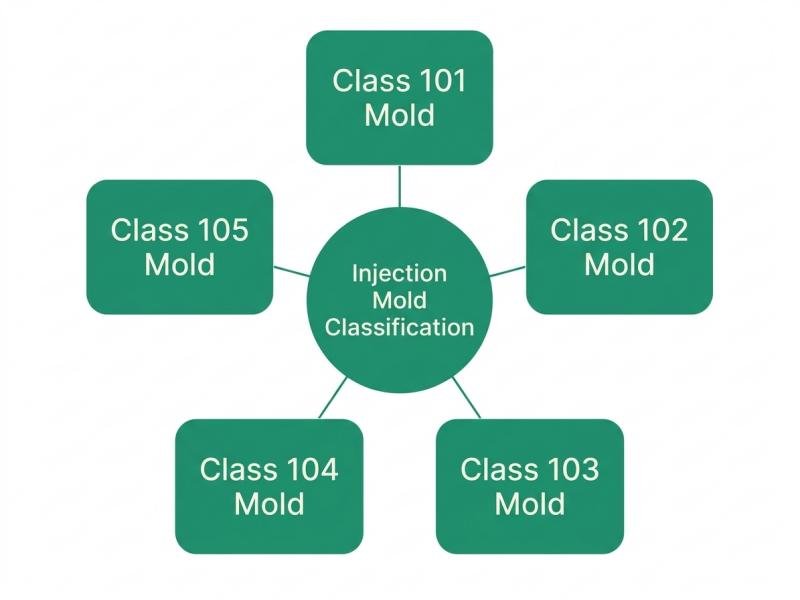
Injection mold classification provides a practical way to compare tooling options by expected mold life
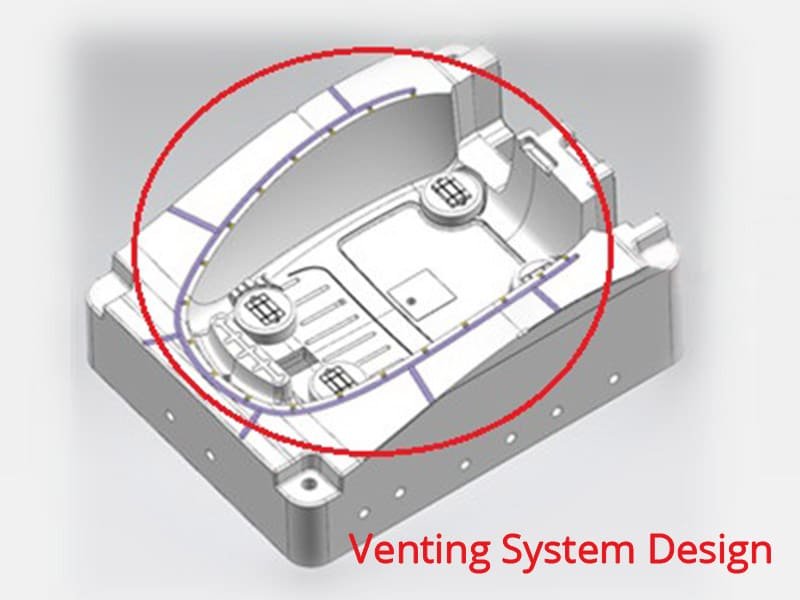
A mold can have the right cavity dimensions and gate layout yet still produce defective
Two cavities in the same mold can produce parts with different weights, dimensions, or surface
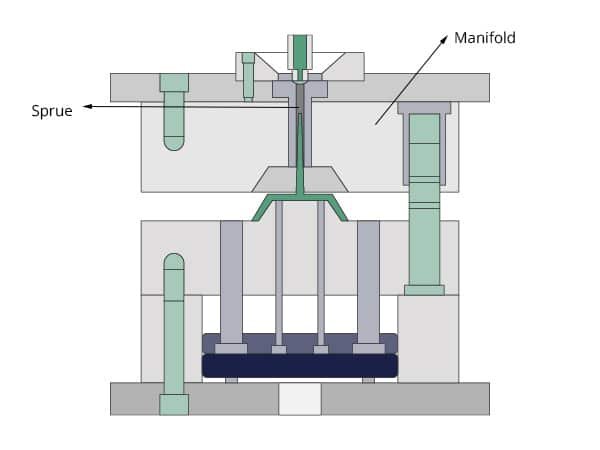
When a mold produces several parts in one cycle, the way molten plastic flowsthrough the
Making a flawless plastic component requires absolute precision from the initial design phase to final