Copper Machining Service
Precision copper machining built for conductivity, strength, and detail from electrical contacts to heat-transfer Parts.
Erye's Copper Machining Capabilities
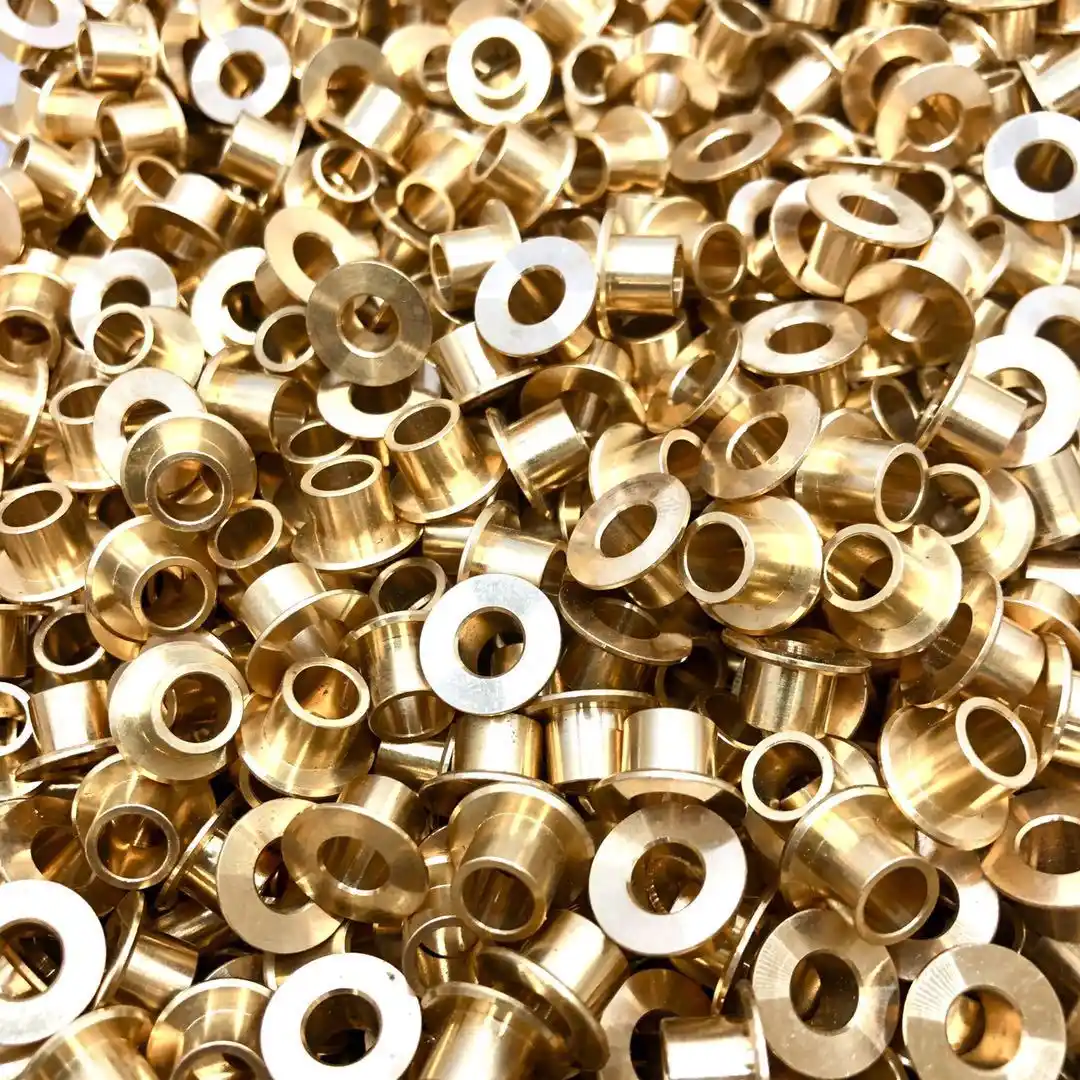
Copper is known for its excellent electrical and thermal conductivity, making it essential in electrical wiring, electronics, and heat exchangers. Erye delivers comprehensive copper machining, helping you produce components that are durable and reliable in actual operating environments. Here is how we support your project:
- CNC Milling & Turning: Full in-house capabilities for complex and round parts.
- Equipment: Covering 3-axis, 4-axis, and 5-axis configurations to handle complex parts.
- Tight Tolerances: Controlled within ±0.01mm, verified by CMM inspection.
- Free DFM Report: Fast, no-cost manufacturability feedback.
- Fast Turnaround: Prototypes shipped in 3–5 business days.
What Is Copper in CNC Machining
Copper is a naturally soft, reddish-orange metal. Unlike stainless steel or titanium, copper doesn’t resist cutting forces. Its natural softness makes it easy to shape, but at the same time it also affects the precision. During machining, the material tends to smear, gum up cutting tools, or develop burrs if the process is not set correctly. According to its characteristics, our team will adjust tooling, feed rates, and setup accordingly to produce parts with clean surfaces and accurate dimensions.
Common Copper Alloys We Offer
Copper has different grades, and each grade is suitable for specific performance needs. The two below are what we machine most often in CNC machining:
| Alloy | Electrical Conductivity | Hardness | Known For | Typically Used In |
|---|---|---|---|---|
| C110 (ETP Copper) | 101.5% IACS | 95 | Most widely used copper alloy, outstanding electrical and thermal conductivity | Bus bars, electrical terminals, heat sinks |
| C101 (OFE Copper) | 96.5% IACS | 40 | Extremely high purity, minimal oxygen content | High-performance electronics, vacuum components |
The Advantages of Copper
Copper offers several practical benefits when your parts need reliable electrical, thermal, or environmental performance. Here is why it is worth specifying:
Electrical Conductivity
Keeps resistance losses low in bus bars, connectors, and terminals that carry high current.
Heat Transfer
Moves heat away quickly in heat sinks, cold plates, and heat exchangers where overheating is a risk.
Corrosion Resistance
Holds up in outdoor enclosures, plumbing fittings, and marine hardware exposed to moisture over time.
Workability
Machines into fine details and thin-walled features for connectors, fittings, and other precision components.
Surface Finishing Options for Copper Parts
After your copper parts go through CNC machining, we offer finishing services that protect the surface, improve appearance, or prepare the part for its next step in assembly:
Electroplating
Adds a thin protective or decorative metal layer, like nickel, tin, or silver
Polishing
Brings the surface from a dull satin to a bright, reflective shine
Bead Blasting
Produces a consistent matte texture across the surface
Tumbling
Removes burrs and visible machining marks through abrasive media
Passivation
Cleans away surface contaminants left behind from machining, without altering the part's dimensions
Patination
Alters the copper's surface color and appearance through chemical treatment
Copper Machining Services For Your Industry
Our copper machining service support customers across the following industries:
Related FAQs of Copper Machining
Why might copper parts cost more than other metals to machine?
Copper's ductility can slow down cutting speeds and increase tool wear compared to harder metals, which can affect pricing depending on part complexity and volume.
Does copper work-harden during machining like stainless steel does?
Copper work-hardens much less than stainless steel, but repeated deformation in the same area, such as from dull tools or excessive passes, can still increase local hardness and make subsequent cuts harder to control.
Can copper parts be machined with thin walls or fine features?
Yes, though copper's softness means thin walls or delicate features need extra care to avoid deformation during machining.
What causes burrs on machined copper parts, and can they be avoided?
Burrs form when the material folds over at an edge instead of separating cleanly, which happens more easily with soft metals like copper. Sharp tooling, appropriate feed rates, and proper chip evacuation significantly reduce burr formation.
Ready to Start Your Copper Machining Program?
Upload Your CAD File or 2D Drawing
We value the relationships we build with our
customers. If you have questions about our
services, need support, or just want to chat about your project, we're happy to help. Reach out to us anytime, and let's start working together to bring your ideas to life.
- sales@eycpu.com
- +86 311 85213655
- +86 15833316667
Blogs & News
Injection mold classification provides a practical way to compare tooling options by expected mold life
A mold can have the right cavity dimensions and gate layout yet still produce defective
Two cavities in the same mold can produce parts with different weights, dimensions, or surface
When a mold produces several parts in one cycle, the way molten plastic flowsthrough the
Making a flawless plastic component requires absolute precision from the initial design phase to final
Rather than simply adding more equipment or extending production hours, stack molds focus on maximizing