Bearings are a foundational component in almost every machine involving rotary or reciprocating motion, from micro motors to heavy industrial gearboxes, from medical devices to precision CNC spindles. Choosing the right bearing affects far more than the part itself: it directly shapes the tolerance requirements for shafts, housing bores, and seal grooves. This guide covers what a bearing is, how it works, the main types available, and what to consider when selecting one.
What Is a Bearing?
A bearing is a machine element placed between two components in relative motion to support load, constrain movement to a defined direction, and reduce friction. Specifically:
- Load Support: transferring the shaft’s weight, radial force, axial force, or combined loads into the frame or housing.
- Constraint: restricting relative motion in a defined direction, such as radial, axial, or both.
- Friction Reduction: replacing dry sliding friction with rolling contact or a lubricating film.
It should be noted that a bearing is not the same as a bushing. A bushing has no rolling elements. It is structurally simpler and lower-cost, but its friction coefficient and speed capability fall well short of rolling-element bearings. This distinction matters early in the design process, since mixing the two up often leads to mismatched tolerance and material requirements later in the project.
How Bearings Work
Inside a bearing, the rolling elements sit in raceways cushioned by a thin film of grease or oil that keeps metal from touching metal as they roll under load. This is why rolling bearings run cooler and last longer than plain bushings under the same load.
Bearing life is also directly tied to load: even a modest increase in load can shorten a bearing’s working life substantially, which is why matching the bearing to the actual operating load. It is important for getting reliable, long-term performance.
Parts of a Standard Bearing
A standard bearing is made up of a few key parts:
- Inner Ring: fits onto the shaft and rotates with it.
- Outer Ring: fits into the housing and stays stationary.
- Rolling Elements: balls, cylindrical rollers, tapered rollers, or needles, depending on the bearing type; these carry the load between the inner and outer rings.
- Cage or Retainer: keeps the rolling elements evenly spaced so they don’t collide or wear unevenly.
- Seals or Shields: keep dirt and moisture out and lubricant in; sealed bearings protect better, while shielded bearings run with less friction.
- Lubricant: grease or oil that reduces friction between the moving parts and helps the bearing run smoothly over its service life.
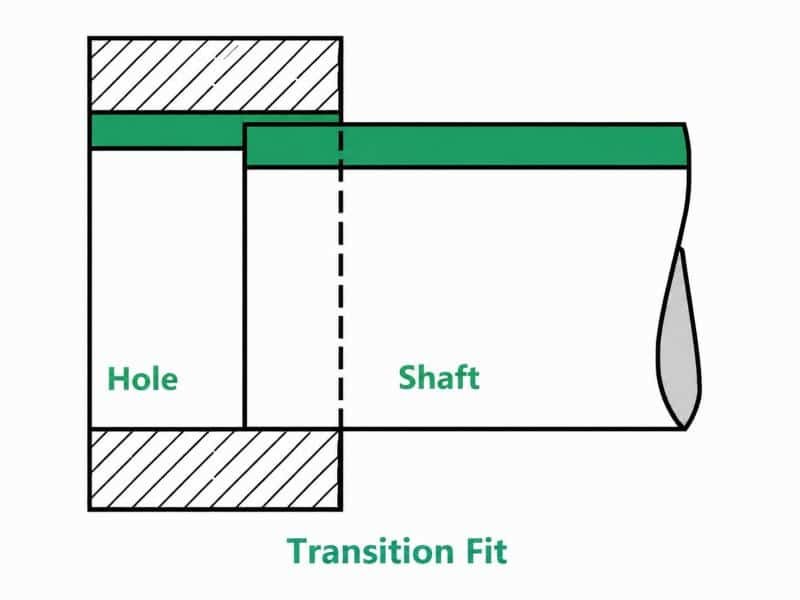
Understanding this structure matters for DFM: the mating features of the bearing are exactly where CNC machining and injection molding tolerances need to be tightly controlled. Even the highest-precision bearing will produce excess vibration and noise after assembly if the shaft journal’s roundness, the housing bore’s cylindricity, or the shoulder’s perpendicularity are out of specifications.
Types of Bearings
Ball Bearing
It is the most common type, using spherical balls to handle both radial loads and moderate axial loads. Deep groove ball bearings cover general-purpose applications like motors and gearboxes, while angular contact ball bearings are often used in pairs and are built for combined radial and axial loading in applications like machine tool spindles and pumps.

Roller Bearing
It uses cylindrical, tapered, or needle-shaped rollers instead of balls. Because the rollers make line contact with the raceway rather than point contact, they carry significantly higher radial loads than ball bearings of a similar size, making them the ideal choice for heavy-duty gearboxes, rolling mills, and automotive wheel hubs.

Thrust Bearing
It is built specifically for axial loads, forces acting along the shaft. They are widely used wherever a rotating shaft needs to be held in position against end-loading, such as vertical shaft systems, jacks, and gear pumps.

Magnetic Bearing
It eliminates physical contact entirely, using magnetic fields to levitate the shaft within the bearing housing. With no mechanical wear and virtually no friction, they are used in specialized high-speed or ultra-clean applications, such as turbomachinery and vacuum systems.

Common Bearing Materials
The materials used for the bearings will affect their load-bearing capacity, service life, and suitability for different operating environments.
Chrome Steel
It is the standard material for most rolling-element bearings. It offers high hardness and excellent fatigue resistance, making it well suited to general industrial and mechanical applications where cost-effectiveness and reliable load capacity matter most.
Stainless Steel
Stainless steel offers excellent corrosion resistance, although it generally has lower hardness compared with some bearing steels. This makes it the preferred choice for bearings exposed to moisture, washdown cycles, or mild chemical contact, such as in food-processing or marine equipment.
Ceramic
It is harder, lighter, and more heat-resistant than steel. Whether used as full-ceramic bearings or hybrid bearings with ceramic balls and steel rings, they are designed for high-speed or high-temperature applications where reduced weight and lower friction contribute to longer service life.
Polymer
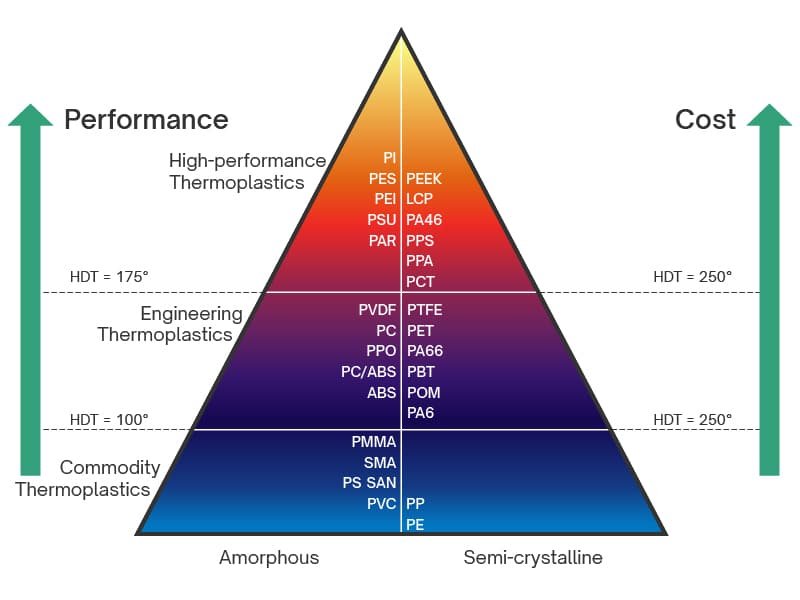
Materials such as POM, nylon, and PTFE-filled composites are used to produce self-lubricating, corrosion-resistant, and non-magnetic bearings through injection molding. These are used for food-processing machinery, medical devices, and humid environments where metal bearings would face corrosion or lubrication challenges.
Bronze and Brass
They are commonly used for cages and for plain bearings rather than the load-bearing rings themselves. Their natural lubricity and resistance to galling make them a reliable choice in low-speed, heavy-load applications.