
Why Accurate Shot Weight Matters in Injection Molding
Shot weight determines the amount of molten plastic delivered into the mold. It directly affects part quality, material usage, production consistency, and manufacturing costs.
Ensure Consistent Part Quality
Maintaining the correct shot weight helps produce parts with consistent appearance, strength, and overall performance. If the shot weight is too low, the mold may not fill completely, resulting in defects such as injection molding short shots, voids, or incomplete features. On the other hand, excessive material can cause problems such as flash, sink marks, or part deformation.
Reduce Production Costs
Accurate shot weight calculation helps determine the exact amount of resin needed for each molding cycle. Optimizing shot weight helps reduce scrap rates, rework, and excess material usage, improving resource utilization and lowering overall production expenses.
Enhance Process Stability and Efficiency
Consistent shot weight contributes to repeatable molding cycles and reduces variations between individual parts, improving production reliability, minimizing process adjustments, and supporting higher manufacturing efficiency.
Help Select the Right Injection Molding Machine
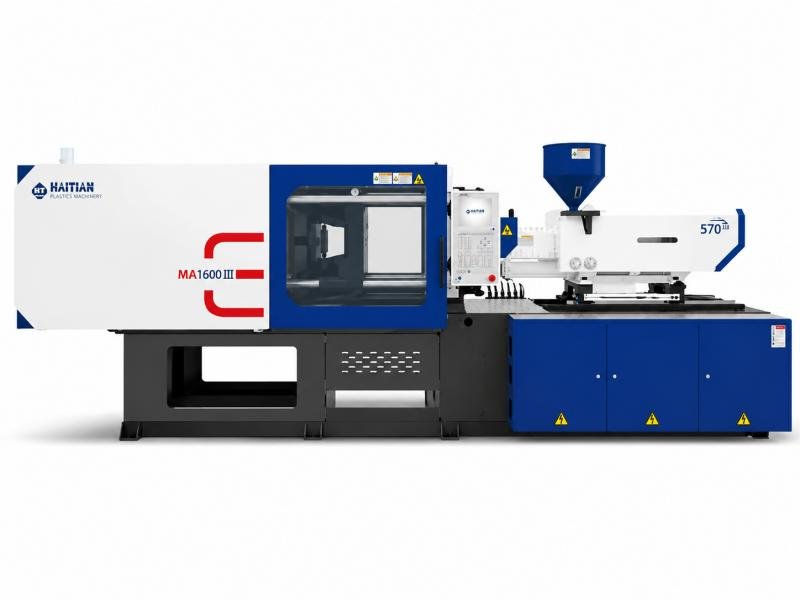
Shot weight is an important factor when determining whether an injection molding machine is suitable for a specific project. A machine with insufficient shot capacity may struggle to fill the mold properly, while an oversized machine can increase energy consumption and production costs. The required shot weight of a suitable machine is around 30%–80% of the machine’s maximum shot capacity to maintain stable processing conditions.
How to Optimize Shot Weight Accuracy
Use Suitable Material
Different plastics have different densities and shrinkage behaviors. Selecting a material that matches the product requirements and considering its physical properties during shot weight calculation helps achieve more accurate weight control. If you are unsure which material is best suited for your application, Erye’s engineering team can provide professional material selection guidance for your injection molding project.
Balance Mold Filling Performance
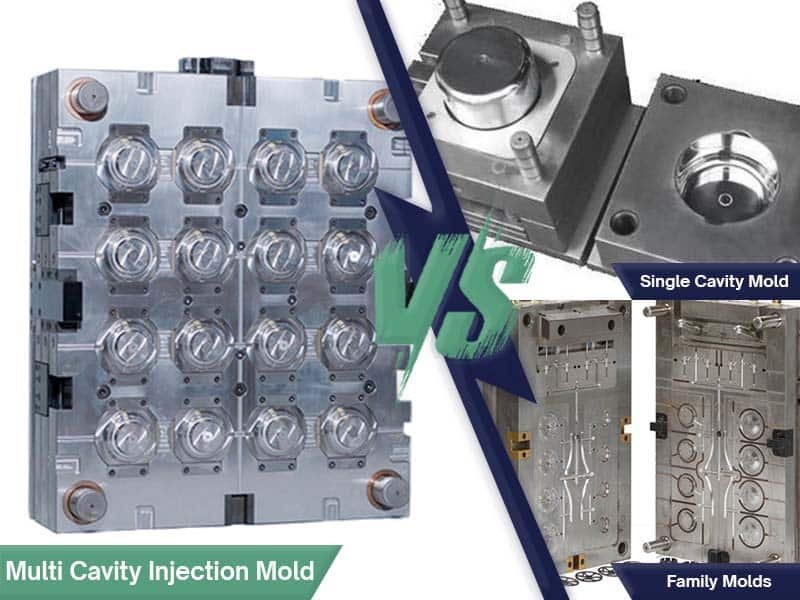
Optimizing the runner system, gate location, and cavity design helps ensure uniform filling and packing. Balanced material distribution reduces shot weight differences between cavities and improves shot weight repeatability.
Optimize Injection and Holding Parameters
Adjusting injection molding parameters including injection pressure, injection speed, holding pressure, and holding time helps control the amount of material packed into the cavity. Proper parameter settings prevent under-packing or over-packing, keeping the actual shot weight closer to the target value. In additation, maintaining consistency in material temperature is vital, as variations can affect the viscosity and thus the shot weight.
Monitor Production Conditions in Real Time
Changes in machine performance, material batches, or processing conditions can affect shot weight over time. Real-time monitoring helps identify variations during production and allows adjustments to maintain consistent molding quality.
Conclusion
Shot weight is a critical factor in injection molding. By properly matching shot weight with machine capacity, optimizing mold filling and processing parameters, and maintaining stable production conditions, it is possible to achieve more consistent molding parts while reducing material waste and production variations.
As a professional injection molding company, we combine extensive injection molding experience with professional material selection, mold design, and process optimization capabilities. Whether you need support with material selection, mold development, or high-quality production, our team can provide tailored guidance based on your project requirements.