What is Micro Injection Molding
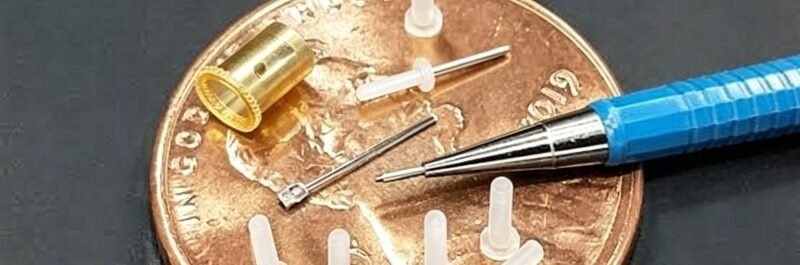
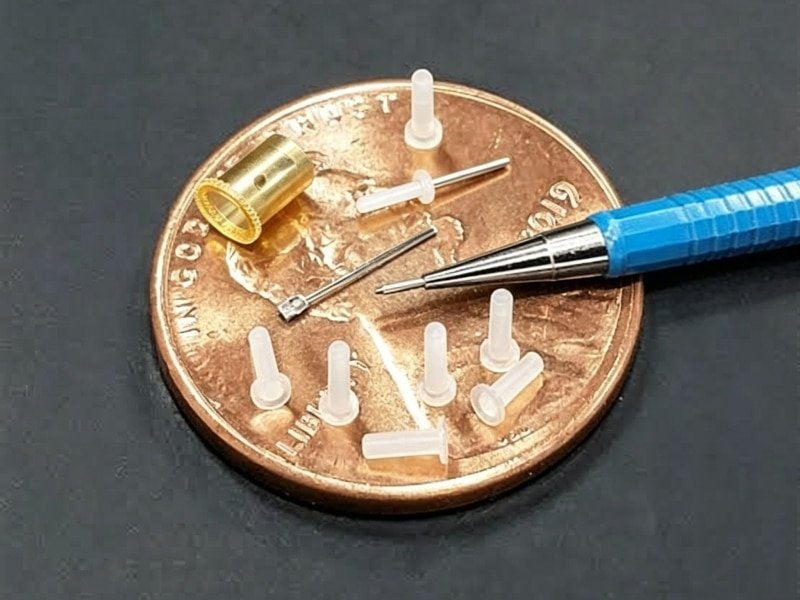
Micro injection molding is an advanced injection molding process used to manufacture miniature plastic components with highly detailed features and precise dimensional requirements. Although the basic molding principle is similar to traditional injection molding, micro injection molding requires specialized molds and precision process control to achieve consistent quality for demanding applications. Typical micro molded components are commonly found in applications where weight reduction and dimensional accuracy are critical.
Traditional Injection Molding vs Micro Injection Molding
| Feature | Traditional Injection Molding | Micro Injection Molding |
|---|---|---|
| Part Weight | Several grams to kilograms | Less than 1 gram (typical) |
| Tolerance | ±0.05 mm or higher | 10–100 microns |
| Wall Thickness | Standard thin walls | 25–375 microns |
| Machine Type | Standard injection molding machines | Micro molding machines with precision injection units |
| Mold Requirement | Standard tooling | High-precision micro tooling |
Materials Used in Micro Injection Molding
Liquid Crystal Polymers (LCPs)
Liquid Crystal Polymers (LCPs) are one of the most commonly used materials for micro injection molding due to their excellent dimensional stability, high temperature resistance, and ability to fill thin-wall structures. Its low shrinkage and consistent performance make it suitable for producing precision components with tight tolerances.

PEEK (Polyether Ether Ketone)
PEEK is a high-performance engineering plastic often selected for demanding micro molding applications that require outstanding mechanical strength, thermal performance, chemical resistance, and the ability to be subjected to repeated sterilization. Although it is more expensive than many conventional plastics, its durability makes it suitable for applications where long-term reliability is essential.
Advantages of Micro Injection Molding
Complex Design Capability
Micro injection molding provides greater design flexibility for manufacturing plastic components with highly complex geometries and functional features. The process can reproduce miniature structures, thin sections, micro patterns, and intricate details that may be difficult to achieve through conventional injection molding methods.
This capability is especially valuable for applications where multiple functions need to be integrated into a small component. For example, micro-molded electronic connectors may require precise contact structures within a limited space. Medical components may include miniature channels or complex internal features to achieve specific functions.
Efficient Material Usage
Micro injection molding helps optimize material usage by requiring only a small amount of resin for each production cycle. By optimizing material usage, micro molding can help reduce waste and improve cost efficiency while still meeting the demanding performance requirements of precision applications.
For example, materials such as LCP and PEEK offer excellent mechanical and thermal properties but are typically more expensive than standard plastics. Reducing unnecessary resin consumption helps control material costs.
Flexible Production and Scalability
Micro injection molding supports both prototype development and large-scale manufacturing. After the precision mold is produced, it can repeatedly create thousands or even millions of identical components with consistent quality.
For example, miniature gears used in precision mechanical systems often require high-volume production while maintaining consistent dimensions to ensure smooth movement and reliable performance.
Cost Savings and High Efficiency
Micro injection molding can provide a more cost-efficient production solution by requiring smaller tooling and more compact equipment compared with traditional injection molding. However, the overall cost depends on various factors, including tooling requirements, material selection, production volume, and part complexity. Understanding these injection molding cost considerations is important when evaluating whether micro injection molding is the right manufacturing approach.
Furthermore, advanced automation can reduce injection molding cycle time, minimizing manual operations and ensuring consistent part quality, improving production efficiency.
Challenges and Considerations in Micro Injection Molding
Compared with traditional injection molding, micro molding has stricter requirements because small variations in tooling, material behavior, and processing conditions can significantly affect the final part quality.
Precision Tooling
Material Flow and Process Control
Material flow becomes more challenging as part dimensions become smaller and wall sections become thinner. During micro injection molding, molten plastic must fill extremely small cavities and reproduce fine details before solidifying. If the material cannot flow properly, defects such as incomplete filling, flash, or inconsistent dimensions may occur.
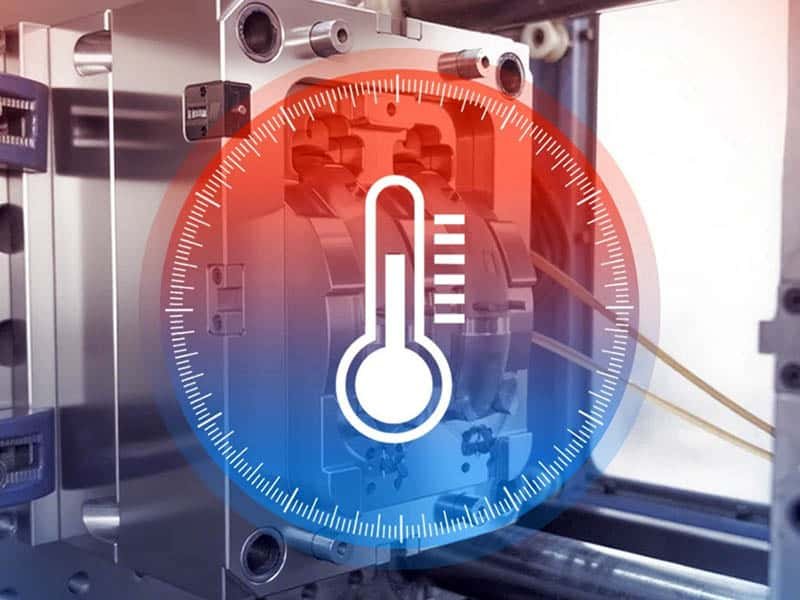
In addition, the molding results are influenced by factors such as injection pressure, injection speed, melt temperature, mold temperature, and cooling conditions.
Production Consistency
Maintaining consistent part quality during mass production is one of the key challenges in micro injection molding. Micro parts are highly sensitive to small variations. Even minor changes in dimensions can affect assembly or overall product performance. Variations in factors such as mold wear, material shrinkage, or processing conditions can lead to differences in part dimensions and affect the consistency of the final components.
This challenge becomes especially important for applications requiring thousands or millions of identical micro components. For example, precision mechanical parts, medical components, and miniature electronic elements often require consistent dimensions to ensure proper assembly and reliable operation.
Applications of Micro Injection Molding
Micro injection molding plays an important role in industries that require small, lightweight, and highly precise components.
Medical Devices
The medical industry is one of the primary users of micro injection molding due to its strict requirements for precision, reliability, and material performance. The process is commonly used to manufacture components such as catheters, drug delivery systems, surgical instruments, diagnostic devices, and implantable parts.
Consumer Electronics
As electronic products continue to become smaller and more powerful, the demand for miniature precision components has increased. Micro injection molding enables the production of tiny parts such as connectors, switches, sensors, micro-optical components, and other electronic elements.
Automotive and Aerospace
Modern vehicles and aerospace systems increasingly rely on lightweight and compact components to improve efficiency and performance. Micro injection molding is used to produce precision parts such as sensors, connectors, switches, clips, gears, and other small functional components.
Conclusion
Micro injection molding has become an essential manufacturing technology for producing miniature and highly precise plastic components. With its ability to achieve tight tolerances, complex geometries, and efficient material usage, this process provides an effective solution for applications that require high precision and consistent performance.
As an experienced injection molding manufacturer, Erye offers comprehensive micro injection molding services. With advanced manufacturing capabilities and strict quality management, we help customers develop customized micro components that meet demanding specifications and performance requirements.