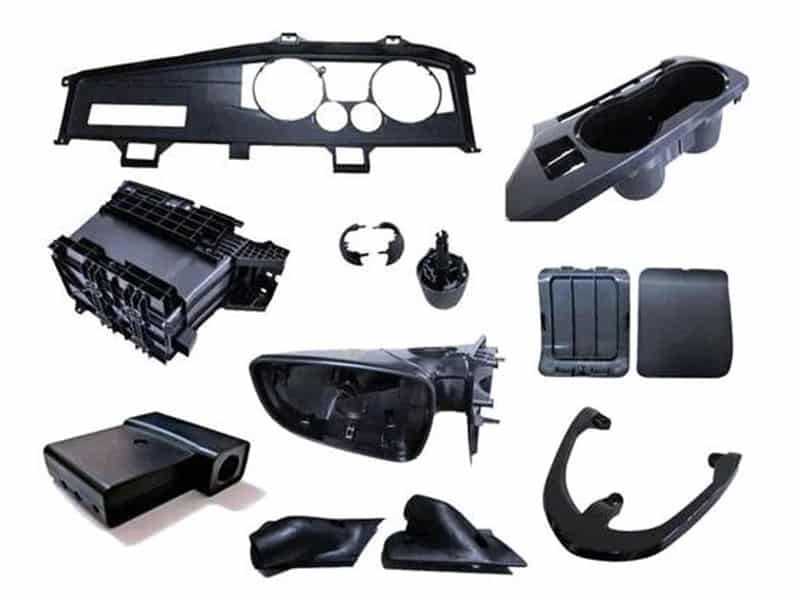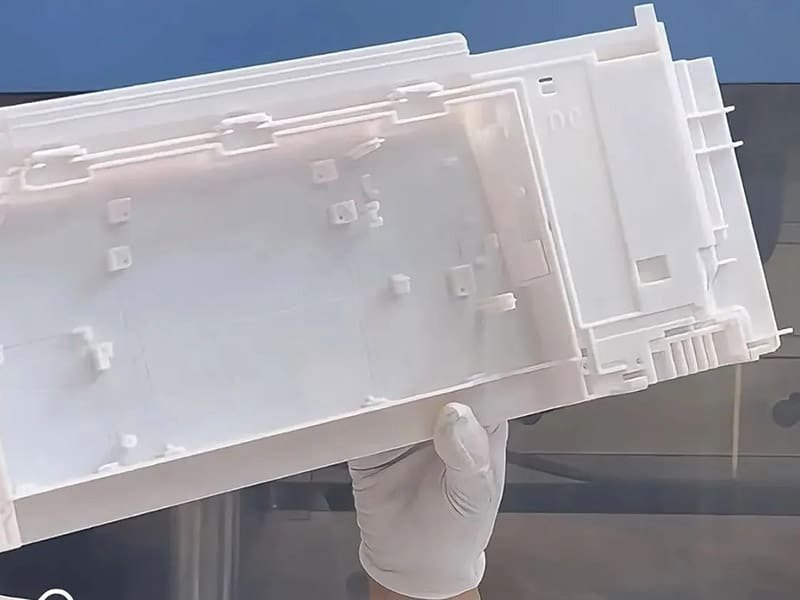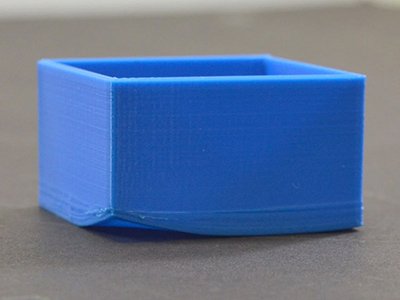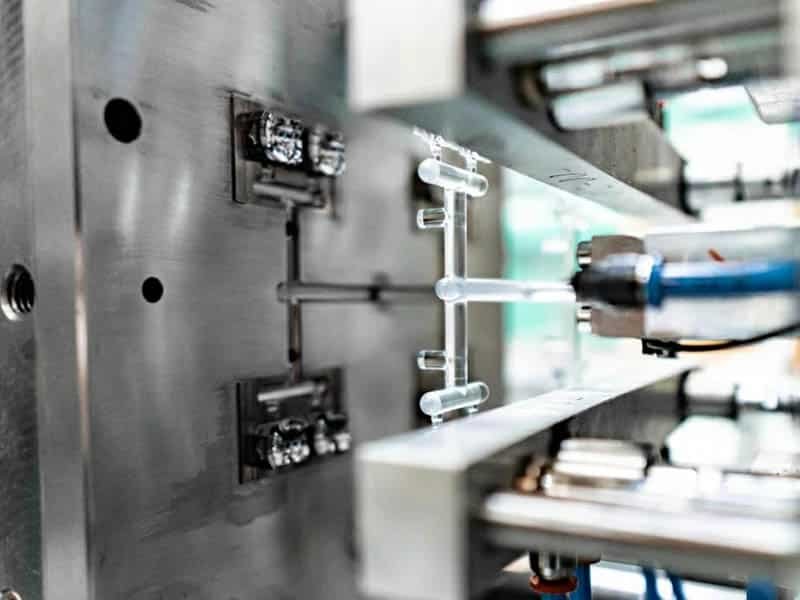

The plastic part assembly method is an important consideration in DFMA. It determines how components connect and how well the finished product performs in use. The wrong method can lead to loose housings, cracked snap arms, or difficult repairs. The right method provides a secure connection while keeping it cost-effective and easy to service. This guide breaks plastic assembly into two types: detachable methods and non-detachable methods. Each type can solve different problems.
What are Plastic Assembly Methods?
Assembly methods are simply how two or more plastic components join into one working part. Every assembly method falls into one of two categories: detachable methods or non-detachable methods. The choice depends on a few practical questions: will this joint ever need to open again, does the part need to survive vibration or repeated handling, and does the priority lean toward production speed or long-term serviceability.
Some joints are deliberately designed to be detachable, such as battery covers or filter housings, where the joint has to hold firm under normal use but release cleanly when a user opens it. Other joints are meant to stay closed forever, like a sealed sensor enclosure. The joint’s strength and sealing matter more than its reversibility.
Detachable Plastic Assembly Methods
Detachable assembly methods let you take a part apart without destroying it. They fit any parts that have maintenance, upgrade, or recycling requirements.
Screws
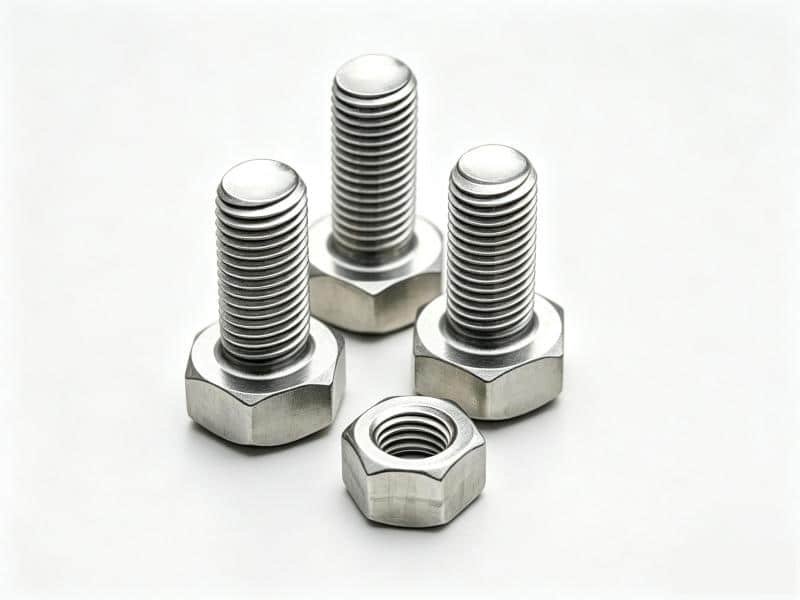
Screws remain the preferred detachable plastic joints, especially where the assembly needs repeated opening and closing. They are simple, cheap, and among the most common mechanical fasteners used in plastic assemblies. A battery compartment cover is a typical case. A couple of self-tapping screws hold it closed without adding cost or complexity to the design.

Bolts
For larger structural assemblies, such as enclosures for industrial equipment and outdoor housings, bolted joints through molded standoffs distribute load better than screws alone. This method suits parts under vibration or heavy mechanical stress, where a single screw point would eventually loosen.

Rivets and Quarter-Turn Fasteners
Rivets snap into a pre-molded hole with light hand pressure, while quarter-turn fasteners drop into a matching socket and lock with a simple twist. Both can be installed without tools and are equally easy to remove. You can just pull the rivet back out, or turn the fastener the other way, which lets a panel be serviced instead of pried apart. That speed and reversibility are why both are common in automotive interior trim.

Threads
Threads provide a solid supporting surface for the screw, and every detachable plastic joint relies on several thread types. The main categories are threads cut directly into the plastic, heat-set metal inserts pressed in after molding, and molded-in inserts placed in the mold before the shot. Each type suits a different production setup, but all keep the joint tight through repeated opening and closing.
Snap Fits
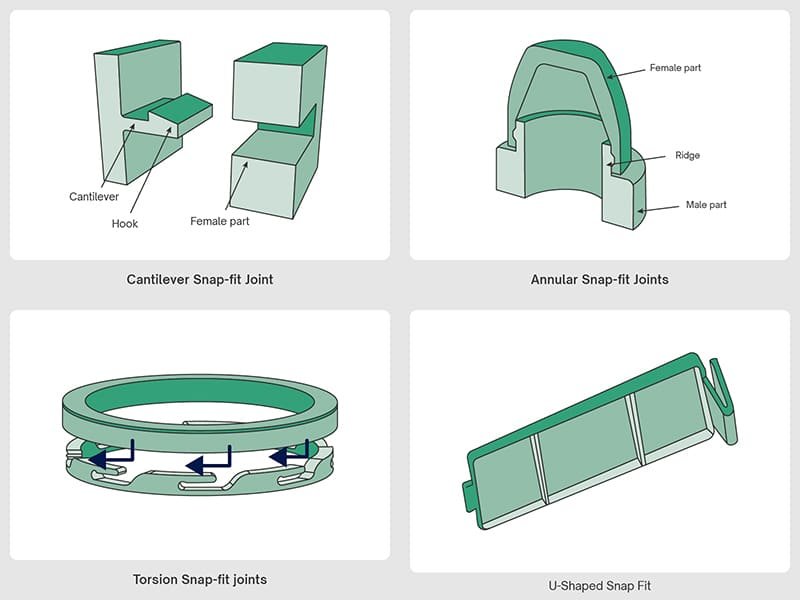
Snap fits use a flexible arm or clip that deflects during assembly and springs back to lock two parts together. The joint needs no extra hardware, no adhesive, and no wait time. They are the fastest and cheapest detachable joint available, but they demand careful attention to plastic strain limits.
Non-Detachable Plastic Assembly Methods
Non-detachable connection methods create irreversible connections that cannot be separated. When the product never needs opening, when you want a sealed, tamper-proof joint, or when strength matters more than serviceability, you can adopt these methods.
Adhesive Bonding
Adhesives join dissimilar materials, such as plastic to metal or plastic to glass, while these connections cannot be achieved through welding. Structural adhesives can match or beat mechanical fastener strength, but they need cure time and careful surface prep. If the surface treatment step is omitted, the connection will fail.

Ultrasonic Welding
Ultrasonic welding uses high-frequency vibration to melt plastic at the joint interface, fusing two parts into one solid piece in under a second. Because the two surfaces actually melt into each other, disassembling the components means cutting or damaging the plastic itself. It works best with amorphous resins like ABS and polystyrene, and the process also skips glue cure time, which matters when you are producing thousands of units at one time.
Heat Staking
Heat staking melts a plastic post or boss and reforms it into a rivet-like head, locking a second component (often metal) in place. There is no way to remove it afterward without cutting or breaking the post. It is a reliable way to secure PCBs and metal brackets into plastic housings without adding hardware or adhesive.
How to Choose the Right Plastic Assembly Method
Picking an assembly method is not just about strength or cost in isolation. It is about matching the joint to how the part will actually be produced, used, and possible maintenance requirements in the future.
When Detachable Assembly Methods Make Sense
A detachable method fits any part that needs field service, upgrades, or component swaps. It is also the better choice when different materials need to come apart for recycling at the end of a product’s life. It also works well for products that are still in the early design stage and may require revisions before the design is finalized.
When Non-Detachable Assembly Methods Make Sense
A non-detachable assembly method fits parts that never need opening, anything where an airtight or tamper-proof joint matters more than serviceability. It is also more cost-effective for high-volume production, since welding and adhesive bonding skip the hardware line item entirely, and it is the safer choice whenever tamper resistance or a fully sealed enclosure is essential.
Conclusion
Plastic assembly methods play an important role in a product’s overall performance, durability, and serviceability. Understanding the differences between detachable and non-detachable connections makes it easier to match the assembly approach to the product’s requirements and avoid common issues during use and production.
At Erye, we provide plastic assembly solutions tailored to different product requirements, helping customers select and implement suitable assembly methods for their plastic parts. Our assembly service supports the integration of molded components into reliable finished products while maintaining consistent quality and efficient production.