Neoprene Injection Molding Service

Choose Erye for custom neoprene injection molding with fast DFM feedback, consistent quality, and durable rubber parts resistant to weathering, ozone, and abrasion.

Neoprene Material Properties

Neoprene is a synthetic rubber that retains the benefits of natural rubber while addressing some of its limitations. Its material properties make it suitable for a range of rubber molding applications. We can help you assess whether these properties align with your part requirements to achieve your desired performance.
Neoprene Property Typical Performance
Hardness 30–90 Shore A
Tensile Strength 500-2500 PSI
Elongation at Break 100–600%
Operating Temperature -40°F to +275°F continuous
Water Absorption Minimal
Compression Set 25°C and 70°C testing
Flame Resistance Self-extinguishing

Benefits of Neoprene Injection Molding

Our neoprene molding service accounts for the neoprene's processing characteristics and your part requirements, helping you produce neoprene molded parts while making the most of neoprene's properties. This combination offers several benefits for your molded parts:

Other Neoprene Molding Options

Our neoprene molding capabilities extend beyond injection molding, giving you access to alternative processing methods to meet different part design and production requirements.

Why Choose Erye for Neoprene Injection Molding

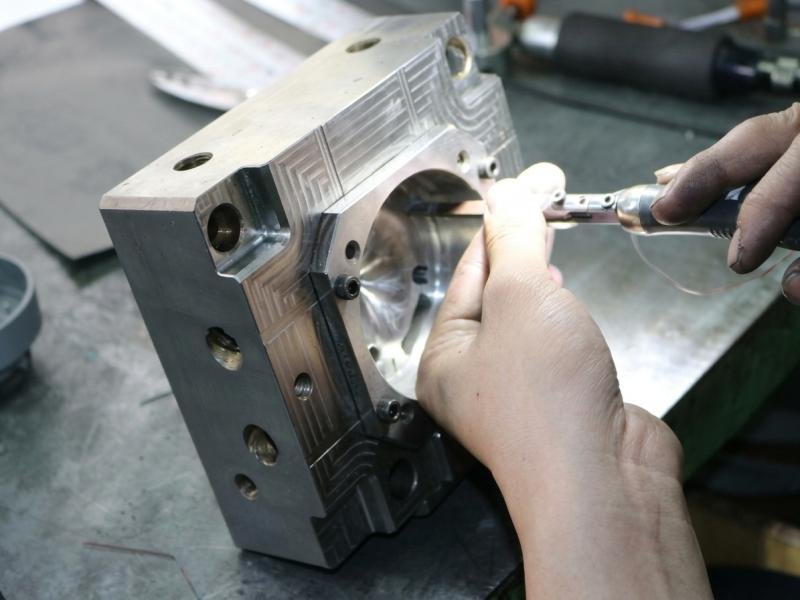
Choosing the right molded neoprene is only part of the process. Mold design, assembly needs, and inspection methods also affect the final part. We help you address these factors through DFM reviews, precision inspection, and custom assembly solutions throughout production.
1design review
CNC in Injection Mold Making
assembly service

Applications of Neoprene Injection Molding

Our neoprene injection molding service covers custom rubber components across a range of product designs, from individual molded parts to components that require precise fit within larger assemblies. Common applications include:

FAQs for Neoprene Injection Molding

Neoprene offers good ozone and weather resistance, making it useful for parts exposed to outdoor conditions. NBR generally provides better resistance to petroleum-based oils and fuels. Choose neoprene when environmental resistance is important, and consider NBR when prolonged oil contact is the main concern.
Our neoprene injection molding service can achieve general dimensional tolerances of ±0.2 mm (±0.078 in). Please indicate critical dimensions on your drawings so we can assess whether they can be achieved and verified during production.
Yes, but only if the neoprene compound must meet specific food-contact standards, such as FDA 21 CFR 177.2600in the United States, including requirements for permitted ingredients and extractable substances. Standard industrial-grade neoprene does not meet these requirements.

Ready to Start Your Neoprene Injection Molding Program?

Upload Your CAD File or 2D Drawing

We value the relationships we build with our customers. If you have questions about our services, need support, or just want to chat about your project, we're happy to help. Reach out to us anytime, and let's start working together to bring your ideas to life.

Blogs & News

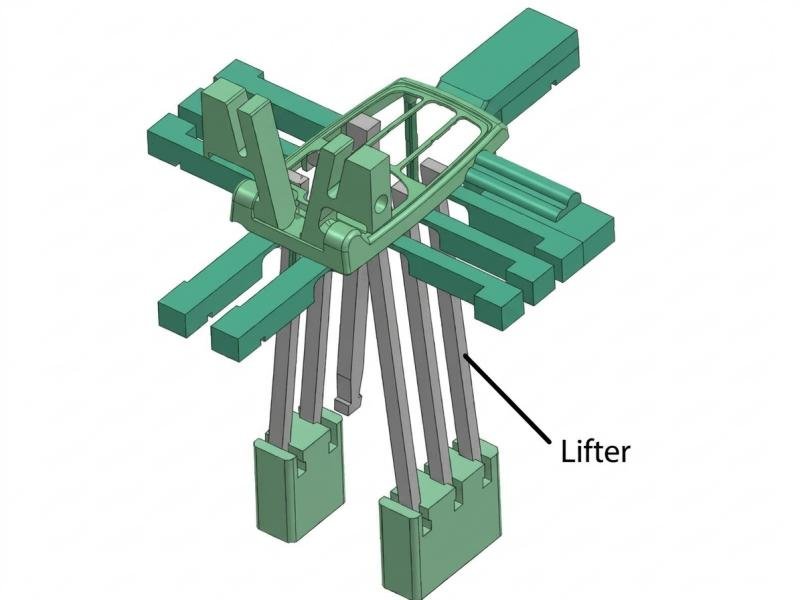
An injection mold lifter releases plastic parts that have internal undercuts. Picture a TV bezel

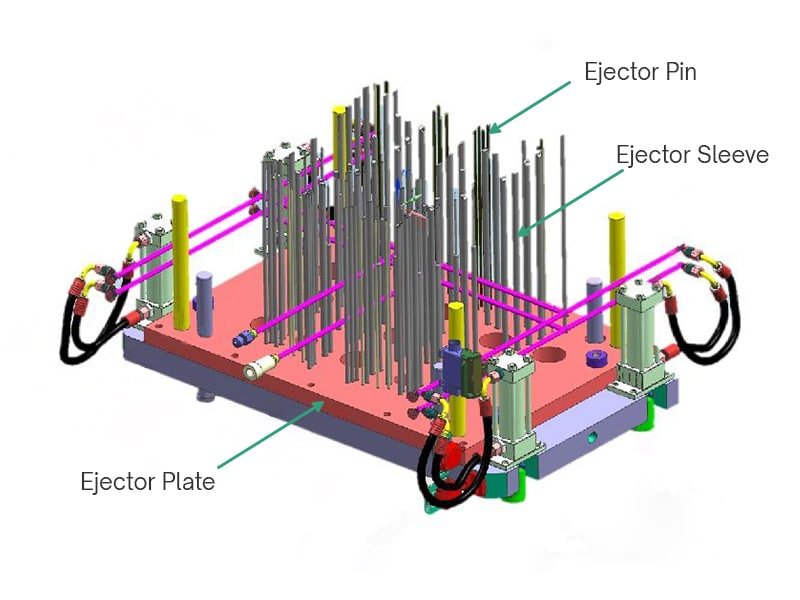
Every molding cycle ends with a short push. The mold opens, and the injection mold

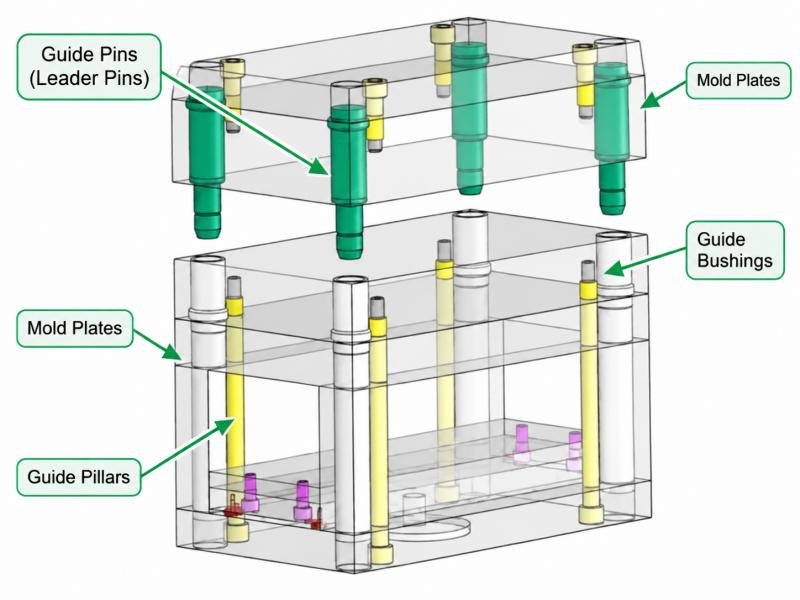
Mold alignment gets less attention than cavity steel or cooling layout, yet it shapes part

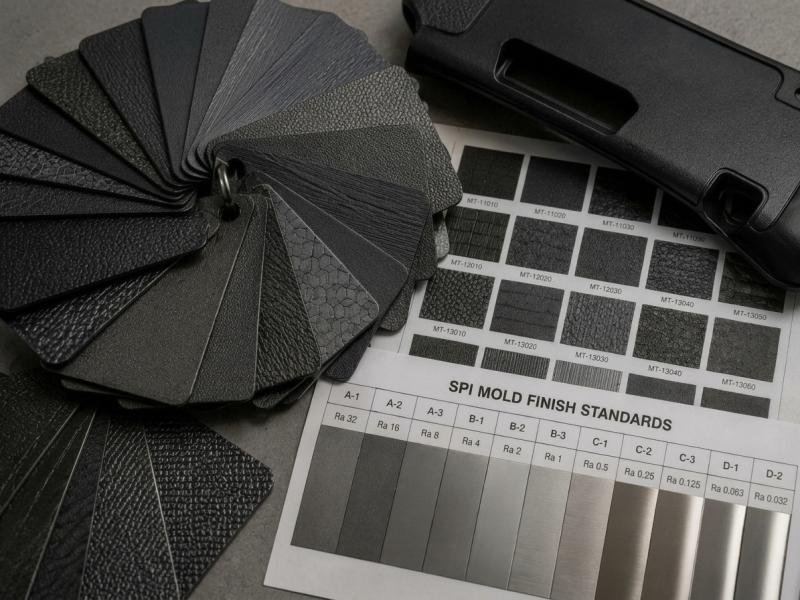
Injection mold texture plays an important role in the appearance, feel, and functionality of injection

Soft tooling vs. hard tooling is the first decision in most injection molding projects. The

Mold polishing determines how your plastic parts look, feel, and release from the tool. A