
Many buyers believe that paying for the mold tooling automatically gives them ownership. That assumption feels natural, but the actual arrangement may not be as straightforward as buyers expect. Mold tooling ownership covers the mold parts, the data, and the right to move both. A supplier can hold any of them back if the agreement stays silent. Buyers usually discover this on the day they need to repair, upgrade, or relocate the mold.
Mold Tooling Ownership Explained
Mold tooling ownership means you hold legal title to the physical mold and the rights that come with it. That covers two assets: the mold parts and the data.
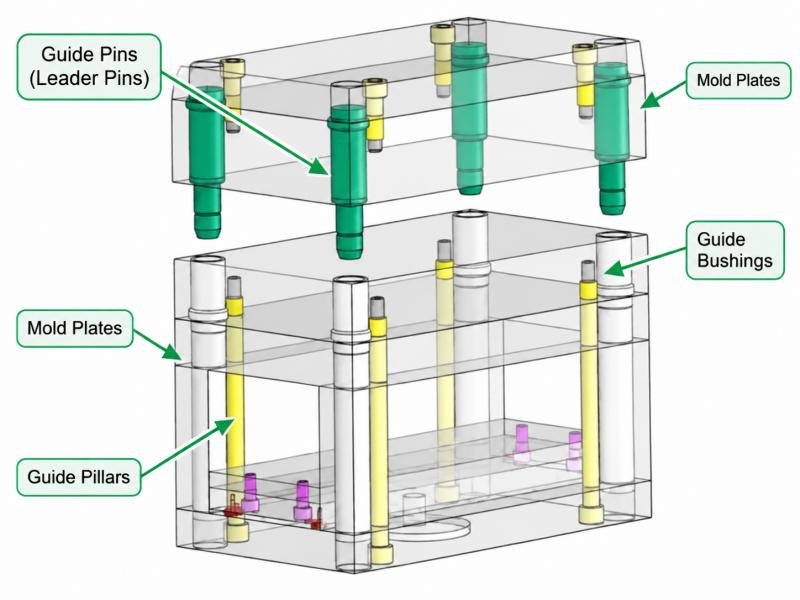
The mold parts include all the physical elements of the mold, such as the mold base, cavities, cores, inserts, slides, and hot runner system. The data includes 3D files, drawings, the bill of materials, and process records. Title to one does not guarantee title to the other. A buyer who owns the mold but holds no CAD files will struggle to repair, modify, or move the mold.

Ownership also carries three practical rights:
- You decide which parts the mold produces.
- You decide where the mold sits and who runs it.
- You decide when to modify, repair, or scrap it.
Three Core Mold Ownership Models
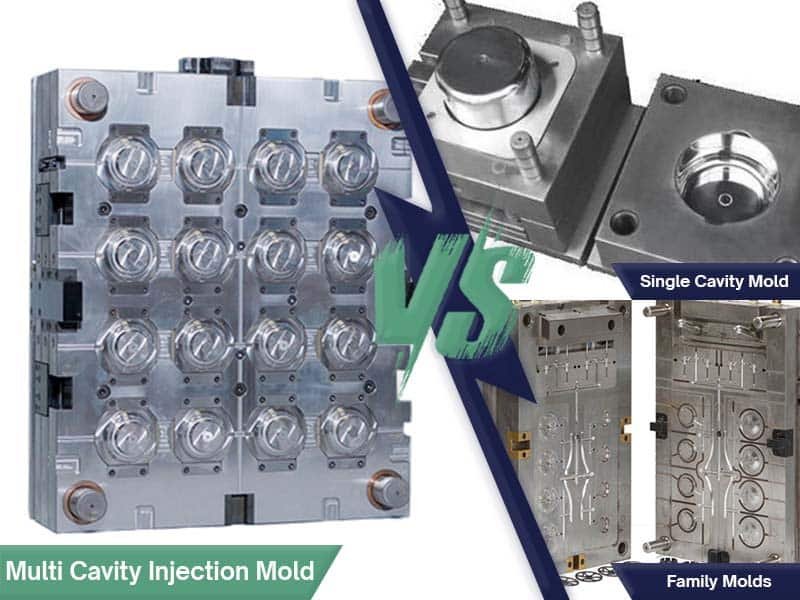
The contract decides who owns the mold, so buyers and suppliers need to pick an ownership model before the build starts. Most deals follow one of three models, and each one assigns title, control, and risk in a different way.
Buyer-Owned Tooling
The buyer pays the full tooling cost, and title passes to the buyer on final payment. The supplier stores and runs the mold as a custodian. If quality slips, the buyer gives notice and moves the mold. This model gives the most freedom. It also needs the most cash upfront, and the buyer carries the risk if the product dies early.
Supplier-Owned Tooling
The supplier funds the mold and recovers the cost through the part price. The buyer pays little or nothing upfront. This model protects cash flow. It also limits the buyer’s ability to switch suppliers, and it usually needs a volume commitment.
Shared or Staged Ownership
Both sides split the cost, or title transfers once a trigger is met. The trigger can be a volume, a date, or a payment. For example, the supplier owns the mold until 100,000 parts ship. Title then passes to the buyer at no extra charge. The buyer gets a low entry cost, and the supplier gets a guaranteed volume. This model suits growing programs.
Payment vs. Title: Who Really Owns the Mold?
Many buyers treat the tooling invoice as proof of ownership. In practice, an invoice is only a record of payment. It does not transfer title by itself. Title depends on what the contract says. If the agreement is silent, the law of the supplier’s location usually decides. Several common situations can affect who owns the mold:
- Partial payment. Many agreements transfer title only after the final tooling payment. If you have paid 50% upfront and are holding back the rest because the T1 samples have defects, the molds can still belong to the supplier until the balance is paid.
- Cost-sharing and amortization. When the tooling cost is built into the part price, the buyer is paying for the mold over time; the supplier may still own it until the amortization ends.
- Unpaid invoices. If the buyer owes the supplier money, the supplier can hold the mold until the debt is paid. In some jurisdictions, the law gives the supplier this right.
- No release clause. If the contract does not state when and how the mold must be released, a supplier can delay or refuse a transfer during a dispute.
To avoid these problems, put four points in writing before the build starts:
- Title transfer trigger, such as final payment or a set production volume.
- Marking requirement, so the mold carries a plate or tag that names the buyer as owner.
- Data delivery, including 3D files, drawings, and the bill of materials.
- Release terms, covering the notice period and the condition in which the mold must be returned.
What Should a Mold Ownership Agreement Include?
A clear mold ownership agreement does not need to be lengthy. It should identify the mold, establish who owns it, and set out the terms for handling situations that could lead to disputes.
- Mold identification. Each mold gets an ID number, a list of part numbers, and a nameplate, such as Mold ID EM-2481, 4-cavity, Part No. 77-1020.
- Title and transfer timing. The agreement states who owns the mold and when title passes. For example, “Title to Mold EM-2481 passes to Buyer on receipt of the final tooling payment.”
- Data and IP rights. The agreement names the owner of the 3D files, the drawings, and any changes made during the build.
- Use restrictions. The supplier agrees to run the mold only for the buyer’s orders.
- Volume and buyout terms. For supplier-owned or staged deals, the contract lists the volume, the per-part charge, and a buyout price.
- Maintenance and repair duties. The agreement splits routine upkeep, major repairs, and damage costs.
- Storage terms. The contract sets a free storage period, the fee after that period, and the storage conditions.
- Insurance and risk of loss. The agreement states who covers fire, flood, or theft while the mold sits on the supplier’s premises.
- Release and transfer procedure. The contract sets a notice period, a handover list, and a deadline for shipping the mold.
- End of life. The mold gets scrapped only with the owner’s written approval.
Mold Maintenance and Storage Responsibilities
The agreement sets who pays for mold storage and maintenance. A buyer who owns the mold can still owe storage fees and repair charges, and a supplier who holds the mold can still carry some of those charges.
Routine Maintenance
The supplier typically handles cleaning, lubrication, vent cleaning, and wear-part replacement during production. These costs often sit inside the part price.
Major Repairs and Modifications
The buyer usually pays when the repair results from a part design change or normal mold lifespan wear on a buyer-owned mold. The supplier usually pays when the damage comes from its own mistake. For example, if the supplier drops a mold during loading and bends a slide, the supplier covers the repair. If the buyer changes the part wall thickness, which needs a steel change, the buyer covers that cost.
Storage
While the mold is in active production, the supplier typically covers storage costs as part of its production operations. If a buyer-owned mold remains unused after orders stop, the buyer may become responsible for storage fees after an agreed free storage period, often around 12 months. For a supplier-owned mold, the supplier generally continues to cover these costs.
How to Transfer a Mold to Another Molding Supplier
Moving a mold to another supplier requires more than arranging transportation. The buyer needs to coordinate the handover carefully to ensure the mold, its components, and all related records reach the new supplier in the agreed condition.
Settle the Paperwork First
The buyer starts by confirming title and clearing all open invoices and then sends a written release notice that follows the notice period in the agreement. The notice names the mold by its ID and states the pickup date, and it starts the supplier’s handover.

Collect the Mold and Its Records
The buyer and the current supplier check one shared list of everything that ships: the mold with its loose inserts, spare parts, auxiliary equipment, and inspection tools. The buyer should also receive the 3D files, drawings, bill of materials, trial reports, maintenance log, and the approved process sheet. Before packing, the buyer should request photos of the mold and a dimensional inspection of a sample part. These records document the mold’s condition at the time of release.
Prepare the Shipment
The buyer asks the current supplier for the mold’s key dimensions, weight, and connection types, then passes them to the receiving site before shipping. The buyer approves the packing method beforehand. The current supplier packs the mold with rust preventive applied, the halves clamped, and in a sturdy crate. Both sides sign a handover record of what left and in what condition.
Conclusion
Mold tooling ownership is determined by the terms set out in the agreement. The ownership model, the title terms, the split of maintenance and storage charges, and the release procedure all belong in writing. Clarifying these details before production begins can prevent delays and disagreements when the buyer needs to retrieve or transfer the mold. Erye provides injection mold making and production support across many industries. We can clarify mold ownership terms with buyers before preparing a quotation.