
Low-volume injection molding is a manufacturing process that produces a smaller quantity of parts, typically in the range of a few hundred to a few thousand units. This process is ideal for companies that require high-quality, precise plastic components in smaller quantities.
Unlike traditional injection molding, which is geared toward mass production, low-volume injection molding does not have the high setup costs associated with mass production. This approach is particularly beneficial for industries that need rapid prototyping, product testing, or small production runs, such as automotive, medical devices, and consumer electronics.
When to Use Low-Volume Injection Molding
Rapid Prototyping
Low-volume injection molding is particularly well-suited for rapid prototyping, where companies need to test product designs before committing to mass production. With shorter lead times and more cost-effective tooling, manufacturers can quickly produce functional prototypes for validation, marketing, and testing. This approach helps reduce time-to-market and minimizes the risks of costly design flaws.
Short-Run Production
Short-run production is another key area where low-volume injection molding excels. For companies that need to produce smaller quantities—whether for niche markets, seasonal products, or limited editions—low-volume molding provides a scalable, cost-efficient solution. This production method allows businesses to meet market demand without committing to the higher costs and risks associated with mass production.
Process Flow in Low-Volume Injection Molding
The process flow in low-volume injection molding involves several critical steps, from tooling and mold design to post-production quality control. This section outlines the core steps involved in the process.
Tooling and Mold Design
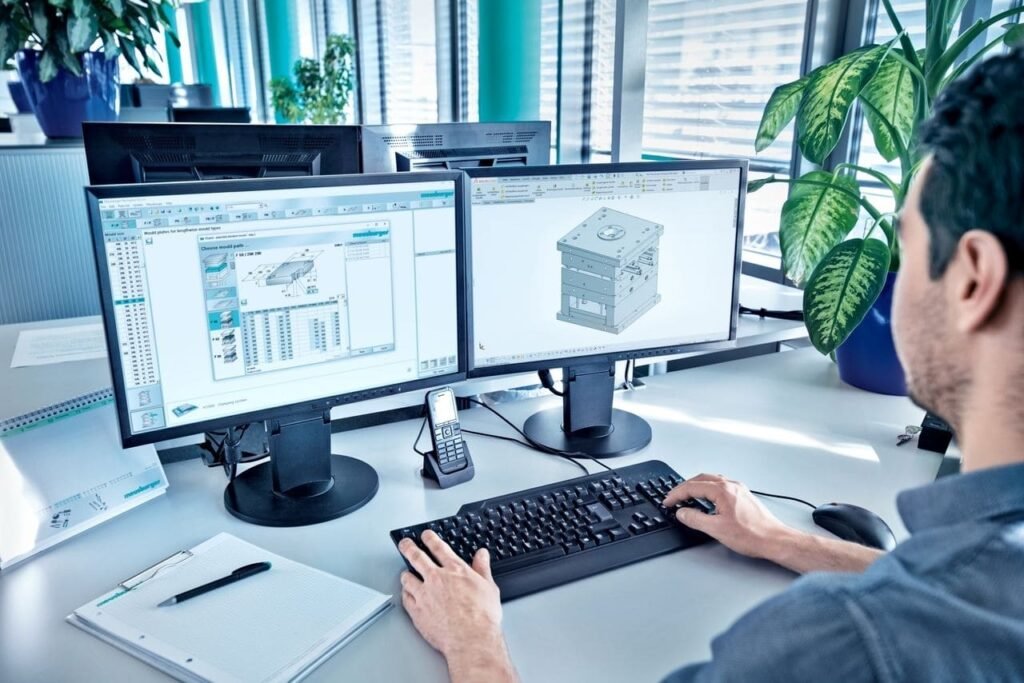
The first step in low-volume injection molding is the creation of the injection mold, which is essential for shaping the plastic components. Unlike mass production, where molds are designed for high durability to withstand thousands or millions of cycles, low-volume molds can be made from less expensive materials like aluminum.
The injection mold and tooling design in low-volume injection molding is typically simpler and focuses on producing a limited number of parts with tight tolerances. These molds are generally less complex and quicker to produce, which helps to reduce tooling costs and lead times. The flexibility of low-volume tooling also allows for adjustments in mold features to accommodate design changes during the production process.
Prototyping and Pre-production Testing
Before proceeding with full-scale production, prototypes are often produced to validate the design, materials, and molding process. These prototypes are tested for fit, function, and performance in real-world conditions.
This phase is particularly important for identifying any issues with the product’s design or performance before moving into production. Low-volume injection molding allows manufacturers to quickly produce prototypes and adjust the design as needed without incurring the high costs and long lead times associated with mass production. Prototyping also helps assess whether the final parts meet the necessary regulatory and industry standards.
Pre-production testing involves running small batches through the injection molding process to ensure that the molds perform correctly and that the parts meet the required specifications.
Injection Molding Process
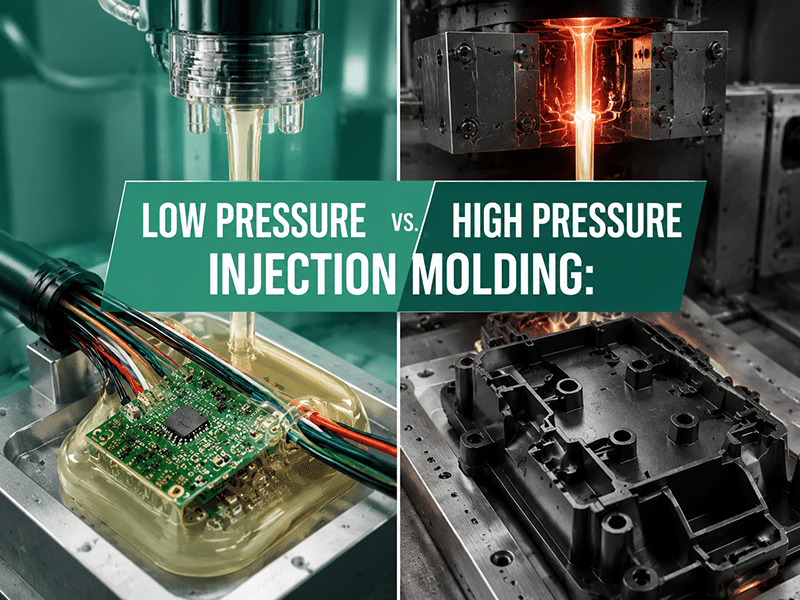
Once the tooling and mold designs have been finalized and prototypes have been tested, the actual injection molding process begins. During this stage, plastic material is heated until it becomes a liquid, then injected into the mold cavity under high pressure. The molten material cools and solidifies in the mold to form the desired shape.
For low-volume injection molding, this process is typically more flexible than mass production. Although the production rate is slower than in mass production, it is still highly efficient for smaller runs.
Quality Control and Post-Process
Quality control (QC) is critical in low-volume injection molding to ensure that every part produced meets the required standards. Due to the smaller production volumes, quality inspection can be more focused, allowing manufacturers to detect defects early in the process.
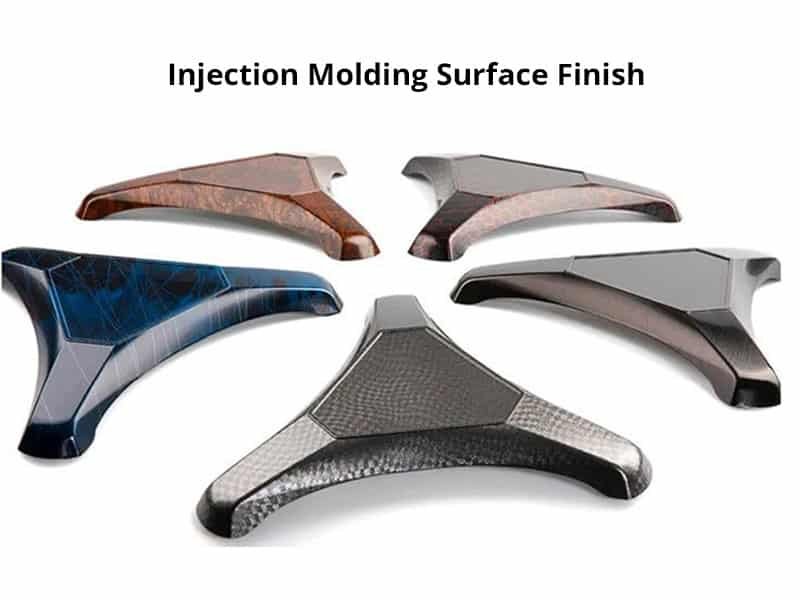
Post-processing steps, including trimming, finished product assembly, surface finishing, and packaging, are also part of the low-volume molding process. Post-processing ensures that the parts meet the customer’s aesthetic and functional requirements. For example, parts may require painting, coating, or polishing to achieve the desired appearance or surface quality. This phase is especially crucial for industries that demand precision and aesthetics, such as consumer electronics or medical devices.
Considerations in Low-Volume Injection Molding
Low-volume injection molding requires careful planning and attention to several key factors to ensure that the final product meets both technical specifications and budget requirements. Below, are the key considerations that must be addressed when working with low-volume injection molding.
Material Selection
For initial prototypes, prioritize readily available and cost-effective resins like ABS or polypropylene, allowing for quick iterations and design validation. If functional testing is paramount, choose materials that closely simulate the properties of your intended production-grade resin.
Consider the compatibility of the material with the chosen low-volume tooling method, and favor materials with wider processing windows to simplify setup and reduce waste in shorter production runs. Carefully weigh the material cost against the desired part performance, as high-performance resins can significantly impact the budget. Lastly, choose materials with predictable shrinkage rates to minimize dimensional variations and those with shorter lead times to accelerate the prototyping and production process.
Injection Molded Parts Design
For low-volume injection molding, design considerations prioritize speed and cost-effectiveness. Simplify part geometry to minimize tooling complexity and reduce mold costs. Favor uniform wall thicknesses to ensure consistent filling and minimize defects, which are more impactful in smaller runs. Integrate features like snap fits or living hinges directly into the design to reduce assembly steps and costs. Design for easy ejection from simpler molds, minimizing undercuts and complex slides.
Here are 12 useful tips to reduce injection molding costs.
Finally, communicate closely with your low-volume molder early in the design phase to ensure manufacturability and identify potential cost savings or design optimizations
Tooling Material and Design
In contrast to high-volume production, the molds used for low-volume injection molding are typically made from softer metals, such as aluminum, instead of harder steel which due to the fact that the expected number of cycles is lower.
Tooling design considerations should prioritize simplicity to minimize tooling complexity and cost.
- Avoid intricate undercuts or complex slides that require expensive tooling.

injection molding undercuts - Opt for designs that allow for easy ejection from simpler molds, reducing the need for complex ejection systems.
- Design the mold for easy maintenance, with features that allow for quick adjustments or replacements of components.
- Design molds with robust cooling channels to ensure consistent part quality, even in shorter runs.
- Design molds with the goal of maintaining or enhancing the functionality of the part, ensuring that the low-volume production process does not compromise product integrity.
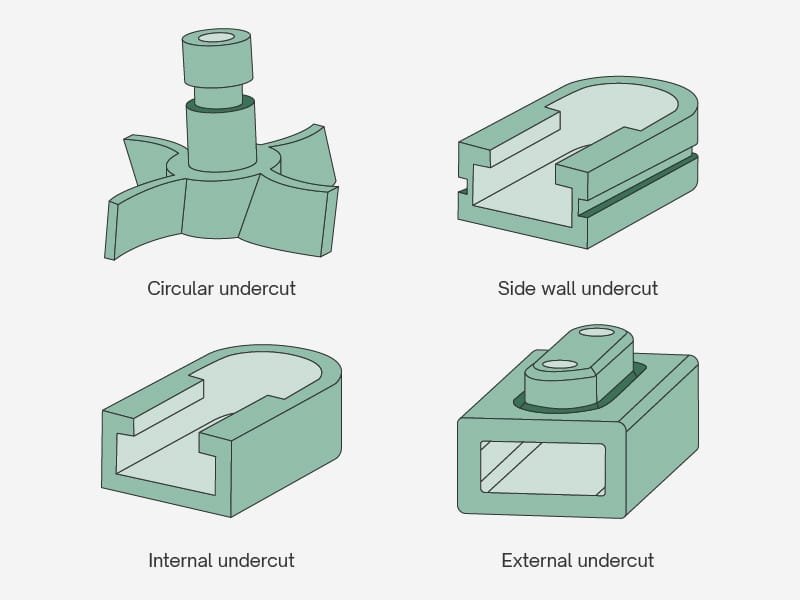
As low-volume injection molding often focuses on shorter production runs, the molds are designed to be quick to manufacture and modify. They may not have the longevity of high-volume molds, but they are perfectly suited for the shorter cycles and smaller quantities typical of low-volume production.
Succeeding with Low-Volume Injection Molding
Compared with high-volume production which is large quantities and mass manufacturing, low-volume injection molding is ideal for rapid prototyping, short-run production, or custom orders. It provides flexibility, faster iterations and customization, and quality control, especially when you need smaller quantities.
Choosing the right provider, like Erye Rubber and Plastic Products, ensures your project is completed efficiently, with high quality and cost-effective solutions. Whether you’re prototyping or need a short production run, we offer the expertise and capabilities to meet your needs.