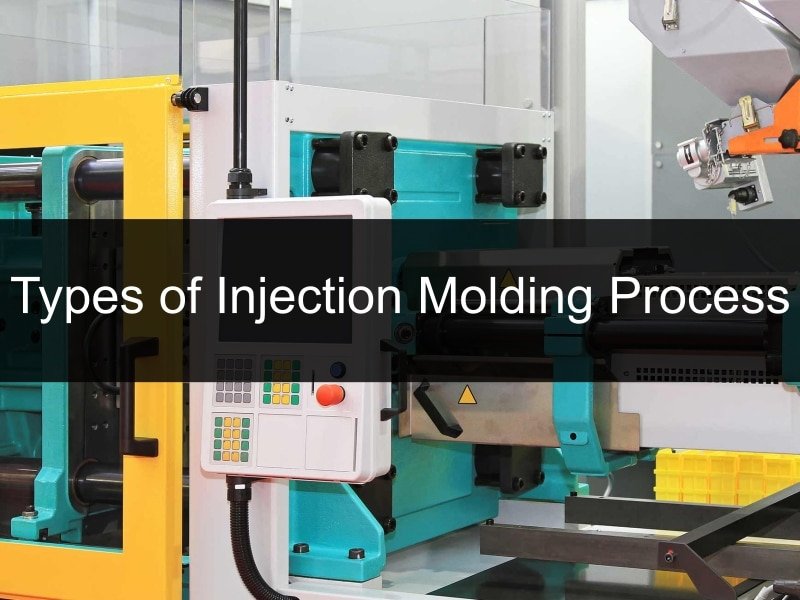
PET injection molding is a manufacturing process that combines injection molding technology with PET resin to produce plastic parts. During this process, PET material is melted, injected into a mold cavity, cooled, and formed into the desired shape with high precision.

Due to the specific processing requirements of PET, achieving consistent molding results requires careful control of factors such as material preparation, temperature, pressure, and cooling conditions. Then let’s take a closer look at PET injection molding.
What is PET
PET (Polyethylene Terephthalate) is a thermoplastic polymer widely selected for injection molding because it offers excellent mechanical properties, chemical stability, and versatility. The key characteristics of PET include:
- High transparency, good gloss, and a strong strength-to-weight ratio.
- Excellent resistance to oxygen, moisture, and many chemicals, helping protect contents and maintain product quality over time.
- One of the most widely recycled plastics and is identified by resin identification code #1.
During the injection molding process, PET can provide excellent stability, strength, and surface quality when proper processing conditions are maintained.
Key Process Conditions for PET Injection Molding
The PET injection molding process follows the same basic principles as conventional injection molding, including material melting, injection, cooling, and part ejection. However, compared with many other thermoplastic materials such as ABS or PP, PET has a relatively narrow processing window, meaning that variations in temperature, pressure, and cooling conditions can significantly affect the final product performance.
The main processing conditions that require attention include:
Material Drying Treatment
PET is highly hygroscopic. Excess moisture in PET resin can cause hydrolysis during melting, reducing molecular weight and leading to quality issues such as brittleness, poor transparency, and discoloration. Therefore, proper drying is one of the most important steps before PET injection molding.
Before production, PET pellets are typically dried using a desiccant dryer at around 120–160°C for 4–6 hours (depending on resin grade and drying equipment) to reduce moisture content to below 0.02%.
Barrel and Nozzle Temperature
The temperatures of the injection molding process must be carefully controlled to maintain stable melt flow and prevent material degradation, especially barrel and nozzle temperature. The typical barrel temperature for PET is around 240–280°C, depending on the resin grade and application.
Temperatures that are too low can increase melt viscosity, causing filling problems and weak weld lines, while excessive heat may lead to discoloration and reduced mechanical performance. Proper nozzle temperature control also helps ensure consistent injection, reduce material buildup, and improve overall molding stability.
Mold Temperature
Mold temperature directly influences PET crystallization, cooling behavior, and final part properties. Lower mold temperatures can accelerate cooling but may increase internal stress and reduce crystallinity. Higher mold temperatures promote crystallization but may increase shrinkage and extend cycle time. Maintaining a properly controlled mold temperature helps achieve a balance between transparency, strength, and dimensional stability.
Injection Pressure
Injection pressure determines how effectively molten PET fills the mold cavity and influences the strength and appearance of molded parts. The required injection pressure depends on multiple factors, including PET grade, part geometry, wall thickness, and mold design.
Insufficient injection pressure may cause short shots, incomplete filling, and weak weld lines. Excessive injection pressure may lead to increased residual stress, dimensional variation, and difficult part ejection. Modern PET injection molding machines use precise pressure control systems to maintain stable production and consistent part quality.
Cooling Control
Cooling is another important factor in PET injection molding because PET is a semi-crystalline thermoplastic. The cooling rate and cooling time directly affect crystallinity, transparency, and mechanical performance.
Slow cooling allows more crystallization to occur, which can increase stiffness and dimensional stability but may cause PET parts to become cloudy, brittle, and lose transparency. Rapid cooling reduces crystallization and helps maintain clear appearance, but excessive cooling rates may increase internal stress and lead to warpage or dimensional instability.

In general, proper drying, accurate temperature control, and optimized injection parameters are essential to maintain the material’s strength, transparency, and dimensional stability.
Advantages of PET Injection Molding
PET injection molding provides several advantages for producing plastic parts that require consistent quality, reliable performance, and efficient production.
High Production Efficiency
PET injection molding supports high-volume production while producing complex plastic components with precise dimensions and stable performance within relatively short cycle times. This makes PET injection molding a suitable choice for projects that require large production quantities, reliable supply, and consistent product quality.
Excellent Dimensional Accuracy
The injection molding process provides precise control over part dimensions, making PET suitable for applications where consistent size, shape, and assembly performance are required. This is especially important for PET preforms and precision components that need reliable fit and function.
Reduced Material Waste
Modern PET injection molding systems, especially those using optimized hot runner technology, help minimize material waste during production. Combined with PET’s recyclability, this makes the process more efficient and supports sustainable manufacturing practices.
Visual Appeal
PET provides outstanding transparency and surface appearance, allowing injection-molded parts to achieve a clear and attractive finish. This makes PET a suitable choice for products where visual presentation and the ability to see the contents are important.
Applications of PET Injection Molding
PET injection molding is used in a wide range of industries, including:
- Beverage and Food Packaging: Water bottles, carbonated drink bottles, food jars, condiment packaging, cooking oil bottles and other containers.

- Medical Packaging: Medicine bottles, diagnostic containers, and healthcare packaging components
- Industrial Components: Gears, bearings, rollers, guides, and other precision mechanical parts requiring dimensional stability and wear resistance
- Consumer Products: Cosmetic packaging, personal care containers, and electronics-related components
- Sustainable Packaging Products: Products made with recycled PET (rPET) for applications requiring recyclable and environmentally friendly materials
Conclusion
PET injection molding is a versatile manufacturing solution that combines advanced molding technology with the performance advantages of PET resin. From material handling and process optimization to final product applications, each stage requires careful control to achieve reliable and consistent results.
At Erye, we provide integrated injection molding services. With experience in various industries and a focus on precision manufacturing, we are committed to delivering consistent and reliable molded components that meet different application requirements.