
What are the common applications of injection molding? What sets it apart as a manufacturing process? Driven by the need for weight reduction, performance enhancement, cost savings, and exceptional corrosion resistance, modern industries are rapidly switching from metal to plastic components. The premier process delivering these advanced benefits at a global scale is injection molding.
The global injection molding market size was estimated at USD 298,717.5 million in 2024 and is projected to reach USD 462,437.7 million, growing at a CAGR of 5.0% from 2025 to 2033. The growing demand for lightweight and durable plastic products across the automotive, packaging, and consumer goods sectors is fueling the injection molding market. Reference Link:Grand View Research – Injection Molding Market Size & Share Report, 2033
How Injection Molding Works
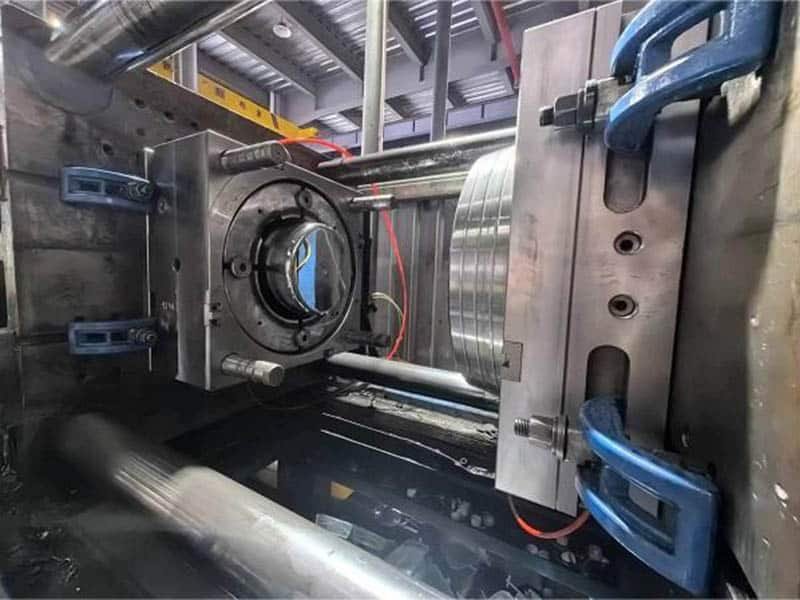
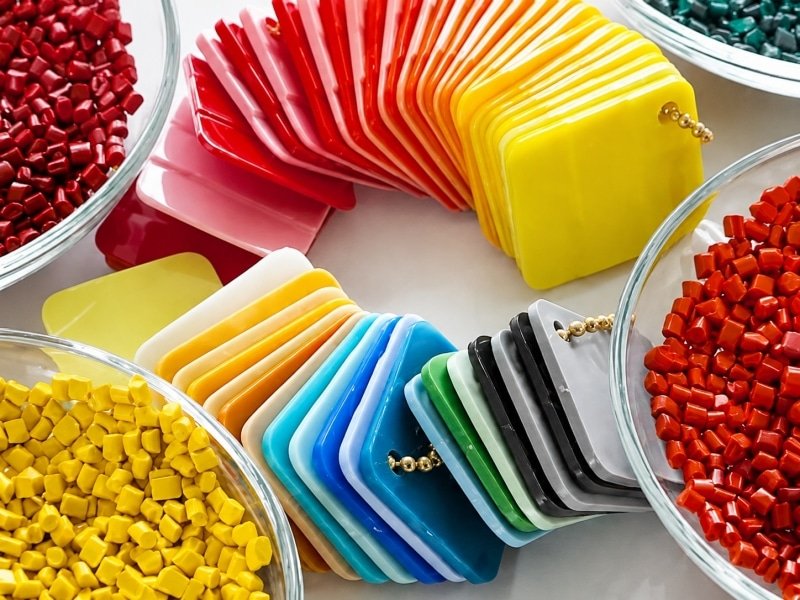
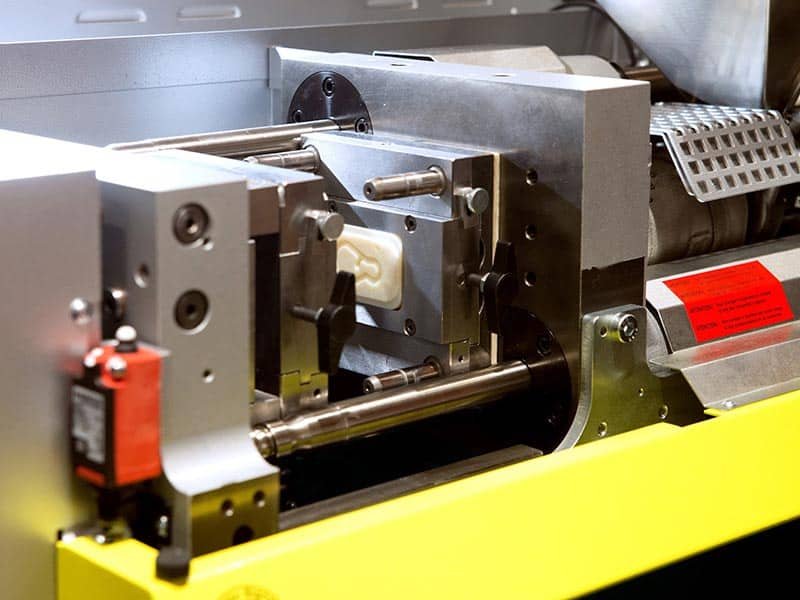
The process works by injecting molten material into custom-engineered molds to form precise, consistent components. This technology enables high-speed, mass production at a lower piece-part cost compared to subtractive or additive methods like CNC machining and 3D printing. Furthermore, with compatibility across thousands of engineered polymers, it allows for production from initial thousands to millions of units.
Injection molding is highly cost-effective for high-volume production (500 to millions of units) and for complex, highly repeatable geometries; it can reduce weight, assembly time, and costs; and it is well-suited for projects requiring premium surface finishes or minimized material waste.However, because tooling modifications are costly, it is not for design-phase projects.
Applications of Injection Molding
Aerospace
Aerospace components need to be lightweight to optimize fuel efficiency, highly durable, and chemically stable enough to withstand extreme temperature variations and high altitudes. High-performance engineering plastics such as PEEK and PEI are frequently used here to replace heavy metal brackets and enclosures.
Common injection molding parts in Aerospace
- Flight instruments housing
- Sensor brackets
- Black box casings
- Airflow bezels
- Setback tray components
- Armrest structures
- Bin latches.

Automotive
As transportation technologies advance, lightweight remains a top priority for both electric and combustion vehicles. Almost every visible plastic component in a modern vehicle interior, as well as major structural exterior elements, is produced via injection molding.PP, PVC, and ABS are popularly used in automotive parts injection molding.
Common injection molding parts in Automotive
- Dashboards
- Instrument panel clusters
- Glove box assemblies
- Air vents
- Cupholders
- Bumper fascias
- Front grilles
- Side mirror housings
- Light lens covers

Consumer Electronics
In consumer electronics, injected molded parts provide sleek, consumer-friendly aesthetics while acting as rugged enclosures that protect delicate internal circuitry from drops, moisture, dust, and temperature changes. ABS and PS are the most popular materials in consumer electronics injection molding because of their processability and electrical insulation properties.
Common injection molding parts in Consumer Electronics
- Smartphone casings
- Laptop chassis
- Television bezels
- Remote control covers
- Circuit board brackets
- Connector bodies
- Battery enclosures
- Insulating spacers
- Switches

Medical Technology
Designing and manufacturing medical parts comes with rigorous regulations to prevent patient risks. So components made via medical injection molding must be produced in cleanrooms utilizing biocompatible, sterilizable, and medical-grade materials that carry official FDA seals of approval and ISO certifications.The common materials included medical-grade liquid silicone rubber, medical-grade ABS, PP, and PE.
Common injection molding parts in Medical Technology
- Syringe barrels
- IV fluid connectors
- Surgical instrument handles
- Petri dishes
- Test tubes.
- Panels
- Housings

Packaging Industry
Thin-wall injection molding is widely used in the packaging industry because of the high volume production and low price per part. The common materials in packaging parts are PE and PC because of the low material cost and food-safe compliance.
Common injection molding parts in Packaging Industry
- Flip-top beverage caps
- lotion pump housings
- trigger spray components.
- Thin-walled food storage containers
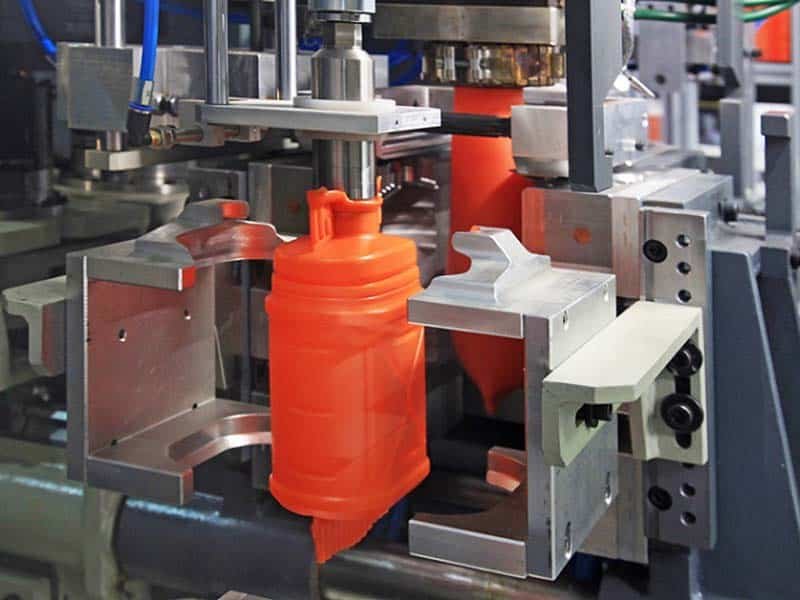
Consumer Goods and Household Products
From home organization to recreational items, everyday goods leverage injection molding to achieve ergonomic designs, structural durability, and vibrant aesthetics at an optimized price point. The ABS, PP, and PC are the most common materials in consumer and household applications.
Common injection molding parts in Consumer Goods and Household Products
- Storage bins
- Hangers
- Water bottles
- Food storage containers
- Power tool housings
- Toothbrush handles
- Razor bodies
- Children’s toys

Conclusion
Injection molding applications continue to enable efficient, high-volume production of custom plastic components. The process offers strong repeatability, design flexibility, and cost advantages when production volumes justify the initial tooling investment. As a professional injection molding company, Erye provides comprehensive services for various industries. We support custom projects from design validation through production. Welcome to contact our team if any requirements for custom injection molding.