UHMWPE Plastic Manufacturing Guide
What Is UHMWPE – What Does UHMWPE Stand For?
UHMWPE stands for Ultra High Molecular Weight Polyethylene. It is a specialized polyethylene with an extremely long molecular chain structure, giving it significantly better wear resistance and impact strength than standard polyethylene materials such as HDPE.
UHMWPE is commonly selected for applications involving sliding contact, repeated impact, or abrasive environments where conventional plastics wear out quickly. Its combination of toughness, low friction, and chemical resistance makes it one of the most widely used wear materials in industrial applications.
Different Types of UHMWPE
Virgin UHMWPE
General-purpose grade offering excellent wear resistance, impact strength, and chemical resistance.
Reprocessed UHMWPE
Contains recycled material to reduce cost while maintaining acceptable performance for non-critical applications.
UV-Stabilized UHMWPE
Contains additives that improve resistance to sunlight and outdoor weather exposure.
Filled UHMWPE
Enhanced with glass, mineral, or other fillers to improve stiffness, dimensional stability, or wear performance.
Properties and Features of UHMWPE
UHMWPE combines exceptional wear resistance, toughness, and low friction, making it a popular choice for industrial wear applications.
Physical Properties of UHMWPE
- Extremely high wear resistance
- Very low coefficient of friction
- Excellent impact resistance
- Self-lubricating surface
- Low moisture absorption
- Good chemical resistance
- Excellent noise reduction properties
- Good weather resistance
- Lightweight compared with many engineering plastics
- FDA-compliant grades available
Chemical Properties
- Dilute Acids: Excellent
- Dilute Alkalis: Excellent
- Salt Solutions: Excellent
- Water: Excellent
- Oils and Greases: Excellent
- Alcohols: Good
- Hydrocarbons: Good
- Strong Oxidizing Agents: Limited
Mechanical Properties of UHMWPE
- Density: 0.93 – 0.94 g/cm³
- Tensile Strength: 20 – 40 MPa
- Tensile Modulus: 0.5 – 1.5 GPa
- Elongation at Break: 200 – 500%
- Shore D Hardness: 60 – 70
- Excellent impact strength
- Water Absorption (24h): <0.01%
Thermal Properties
- Melting Temperature: 130 – 136°C
- Continuous Service Temperature: Up to 80°C
- Thermal Conductivity: 0.40 – 0.50 W/m·K
- Coefficient of Thermal Expansion: 150 – 200 ×10⁻⁶ /°C
Electrical Properties of UHMWPE
- Dielectric Constant: 2.2 – 2.4
- Dielectric Strength: 40 – 50 kV/mm
- Volume Resistivity: >10¹⁵ Ω·cm
- Surface Resistivity: >10¹³ Ω
Advantages & Disadvantages of UHMWPE
Understanding both the strengths and limitations of UHMWPE helps determine whether it is the right material for a specific application.
Advantages of UHMWPE
Exceptional Wear Resistance
Outstanding Impact Resistance
Low Friction and Self-Lubrication
Excellent Chemical Resistance
Disadvantages of UHMWPE
Limited High-Temperature Performance
Lower Stiffness Than Many Engineering Plastics
Difficult to Bond and Paint
Poor Dimensional Stability Under Continuous Load
UHMWPE Plastic Manufacturing Process
UHMWPE is typically processed differently from conventional injection molding materials due to its extremely high molecular weight.
Compression Molding
CNC Machining
Thermoforming
UHMWPE Plastic Applications
UHMWPE is commonly used for parts that require wear resistance, impact resistance, and low friction.
Typical applications include:
- Wear strips and guide rails.
- Conveyor components and chain guides.
- Chute liners and hopper liners.
- Bearings and bushings.
- Food processing equipment components.
- Material handling and packaging equipment parts.
Materials Similar to UHMWPE and How to Choose
UHMWPE vs PTFE
Key Differences
How to Choose
UHMWPE vs Nylon (Polyamide)
Key Differences
How to Choose
UHMWPE vs HDPE
Key Differences
How to Choose
UHMWPE vs Acetal (POM)
Key Differences
How to Choose
Get UHMWPE Plastic Part
UHMWPE Plastic Material FAQs
What Is UHMWPE Commonly Used For?
Is UHMWPE a Good Material for Wear Parts?
Is UHMWPE Suitable for Outdoor Applications?
Is UHMWPE Suitable for Food Processing Equipment?
Can UHMWPE Help Reduce Operating Noise?
Can UHMWPE Replace Metal Components?
Related Resources of UHMWPE Plastic Manufacturing
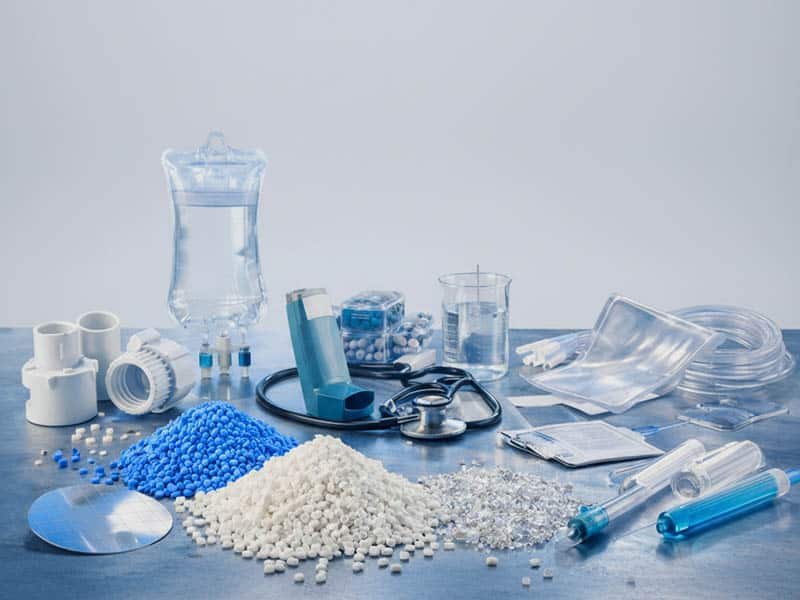
Plastics for medical devices provide enabling safer, more cost-effective, and customizable solutions compared to traditional
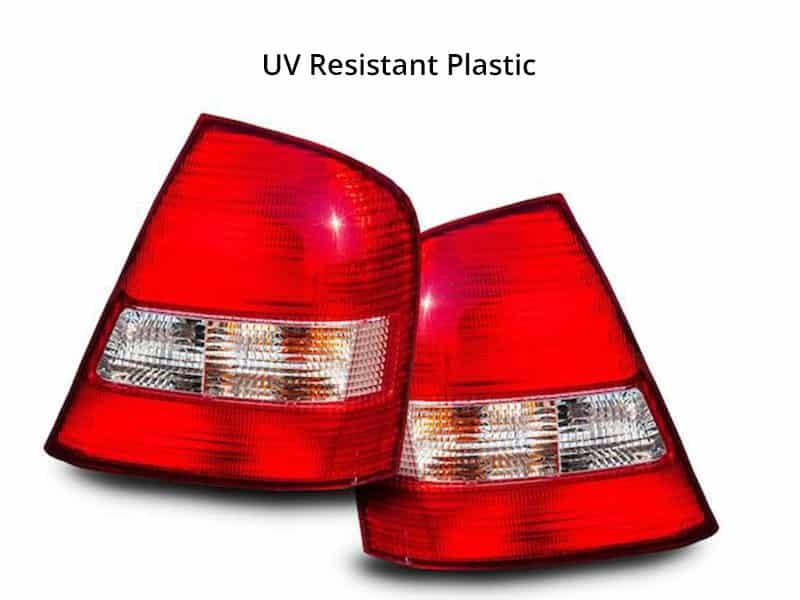
Ultraviolet (UV) radiation from sunlight causes gradual degradation in many plastic materials. This process, known
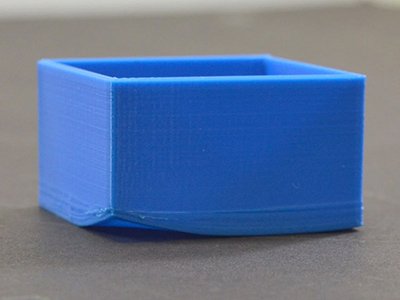
Dimensional control is a central concern in injection molding. Even when the mold is precisely
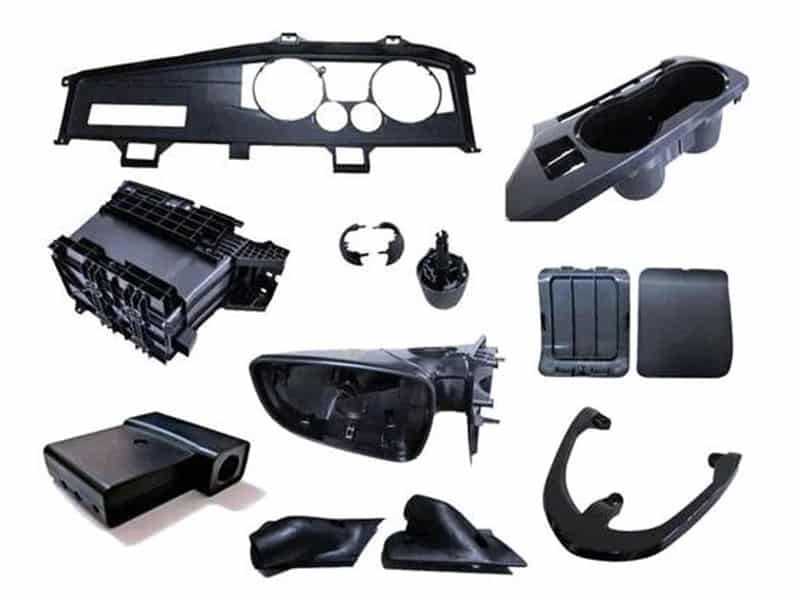
Plastics have become a primary material in modern vehicle manufacturing. The use of automotive plastic
Polymer materials are BY FAR the most unique materials in modern manufacturing. You see them
In the food and beverage industry, safety is paramount. Every component that comes into contact