Silicone Rubber Manufacturing Guide
What Is Silicone – What Does Silicone Mean?
Silicone is a synthetic elastomer made primarily from silicon, oxygen, carbon, and hydrogen. Unlike conventional organic rubbers, silicone rubber maintains flexibility across an extremely wide temperature range while providing excellent resistance to weathering, ozone, moisture, and UV exposure.
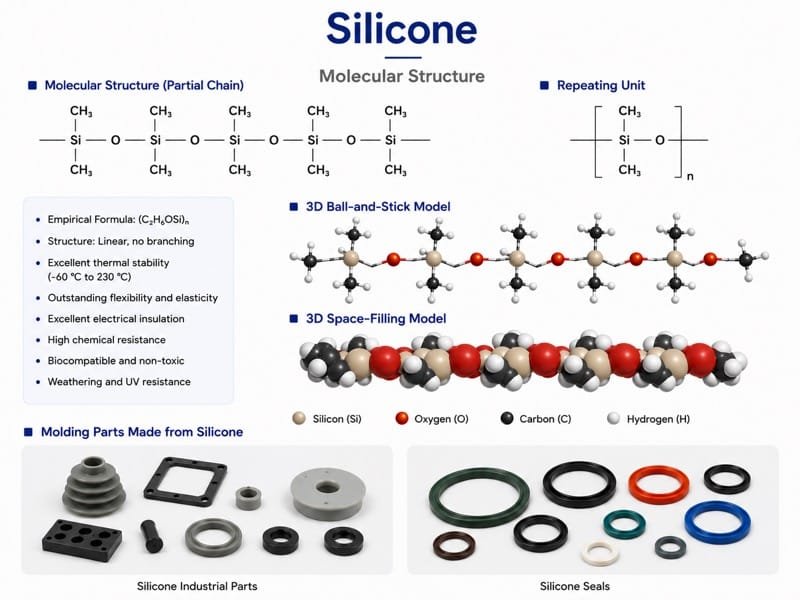
Because of its stability and safety, silicone is commonly used in medical devices, food-contact products, electrical insulation, and sealing applications where traditional rubber materials may degrade over time.
Silicone is available in solid rubber, liquid silicone rubber (LSR), sponge silicone, and various specialty grades designed for demanding environments.
Different Types of Silicone Rubber
Liquid Silicone Rubber (LSR)
Liquid silicone rubber is a high-purity, two-part material designed for automated injection molding. It is ideal for high-volume production of precise, complex components used in medical, food-contact, automotive, and electronic applications.
Medical Grade Silicone
Medical grade silicone is formulated for biocompatibility and is commonly used in implants, tubing, seals, and other healthcare components. Specific grades can meet USP Class VI and ISO 10993 requirements.
Food Grade Silicone
Food grade silicone complies with applicable FDA or LFGB requirements and is used for kitchenware, food-processing seals, tubing, and reusable consumer products.
Sponge Silicone
Sponge silicone has a cellular structure that provides cushioning, thermal insulation, and low closure force. It is widely used for gaskets, vibration damping, and environmental sealing.
Properties and Features of Silicone Rubber
Silicone rubber combines excellent environmental stability, flexibility, electrical insulation, and broad temperature performance.
Physical Properties of Silicone Rubber
- Excellent flexibility
- Outstanding weather resistance
- Excellent UV resistance
- Excellent ozone resistance
- Low compression set
- Good vibration damping
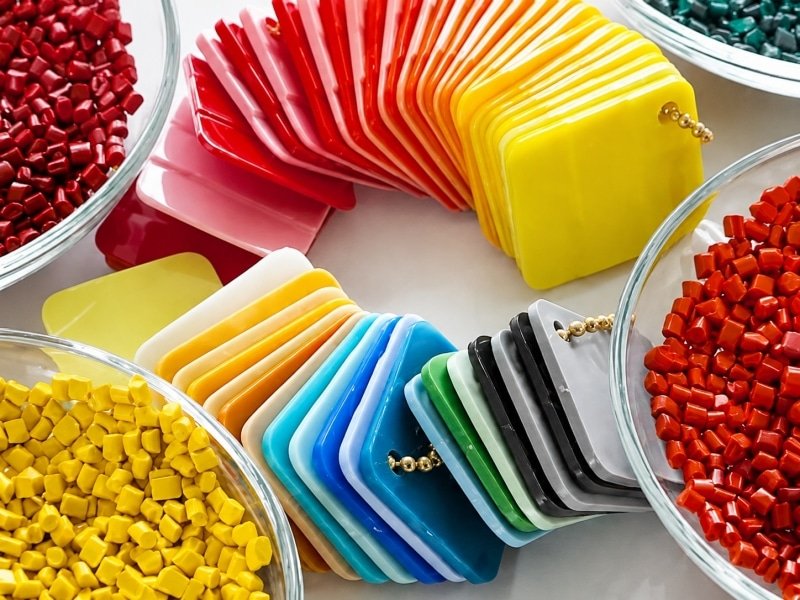
- Good transparency
- Available in a wide range of hardness levels
- Excellent aging resistance
- Long service life
Chemical Properties
- Water: Excellent
- Ozone: Excellent
- UV Exposure: Excellent
- Dilute Acids: Good
- Dilute Alkalis: Good
- Alcohols: Good
- Oils and Greases: Fair to Good
- Fuels: Limited
- Strong Acids: Limited
Mechanical Properties of Silicone Rubber
- Density: 1.10 – 1.50 g/cmÂł
- Tensile Strength: 5 – 12 MPa
- Elongation at Break: 150 – 700%
- Shore Hardness: 10A – 80A
- Tear Strength: Good
- Compression Set: Low
- Flexibility: Excellent
Thermal Properties
- Continuous Service Temperature: -60°C to 200°C
- Special Grades: Up to 250°C
- Excellent low-temperature flexibility
- Excellent thermal stability
Electrical Properties of Silicone Rubber
- Excellent electrical insulation
- High dielectric strength
- Good arc resistance
- Stable performance across a wide temperature range
Advantages & Disadvantages of Silicone Rubber
Understanding both the strengths and limitations of silicone helps determine whether it is the right material for a specific application.
Advantages of Silicone Rubber
Exceptional Temperature Resistance
Silicone remains flexible and functional across a much wider temperature range than most elastomers. It performs reliably in both extremely cold and high-temperature environments where materials such as EPDM, NBR, or natural rubber may harden, crack, or degrade.
Outstanding Weather and UV Resistance
Silicone offers excellent resistance to sunlight, ozone, moisture, and environmental aging. Unlike many rubbers, it can maintain its appearance and performance for years in outdoor applications.
Excellent Flexibility and Elastic Recovery
Silicone retains flexibility over long periods and provides reliable sealing performance under repeated compression and release cycles. This makes it ideal for gaskets, seals, and cushioning components.
Food and Medical Safety
Food-grade and medical-grade silicone materials are widely used in applications involving direct human contact because they are non-toxic, odorless, and biocompatible.
Excellent Electrical Insulation
Silicone provides stable electrical insulation even under challenging environmental conditions, making it a popular material for connectors, insulators, and electronic components.
Disadvantages of Silicone Rubber
Lower Tear Strength Than Some Elastomers
While silicone is highly flexible, it generally does not match the tear resistance of polyurethane or certain high-performance rubber compounds in demanding mechanical applications.
Limited Fuel and Hydrocarbon Resistance
Silicone performs well against water and weather exposure but is not the best choice for prolonged contact with fuels, gasoline, or certain petroleum-based fluids.
Moderate Abrasion Resistance
For applications involving heavy wear, friction, or abrasive materials, polyurethane or UHMWPE may provide longer service life.
Higher Material Cost
Silicone typically costs more than many general-purpose rubbers. However, its durability and environmental resistance often justify the investment in demanding applications.
Silicone Rubber Manufacturing Process
Silicone components can be produced using several manufacturing methods depending on part design, production volume, and performance requirements.
Compression Molding
Silicone Rubber Injection Molding
Silicone Rubber Applications
Silicone rubber is widely used in applications that require reliable sealing, flexibility, safety, and resistance to heat and environmental exposure.
Typical applications include:
- O-rings and seals
- Gaskets and sealing components
- Medical device components
- Food-grade products and kitchenware
- Baby care products
- Electrical insulation components
- Keypads and control interfaces
- Silicone tubing and hoses
- Automotive seals
- Outdoor electronic enclosures
Materials Similar to Silicone and How to Choose
Silicone vs EPDM
Key Differences
How to Choose
Silicone vs NBR (Nitrile Rubber)
Key Differences
How to Choose
Silicone vs Viton (FKM)
Key Differences
How to Choose
Silicone vs Natural Rubber
Key Differences
How to Choose
Silicone vs Polyurethane (PU)
Key Differences
How to Choose
Get Silicone Rubber Parts
Silicone Rubber Material FAQs
Is Silicone Suitable for Long-Term Outdoor Use?
Yes. Silicone offers excellent resistance to UV exposure, ozone, moisture, and weathering. Unlike many rubber materials, it can remain flexible and functional after years of outdoor use. It is a popular choice for seals, gaskets, and electrical components used in outdoor environments.
Does Silicone Crack or Harden Over Time?
Silicone is highly resistant to aging and generally maintains its flexibility much longer than conventional rubber materials. Under normal operating conditions, it is unlikely to crack, harden, or become brittle due to sunlight, ozone, or temperature changes.
What Temperature Can Silicone Withstand?
Standard silicone rubber can typically operate between -60°C and 200°C. Special high-temperature grades can handle even higher temperatures.
Does Silicone Remain Flexible in Cold Environments?
Yes. Silicone remains flexible at temperatures where many other elastomers become stiff or brittle. This makes it suitable for outdoor equipment, refrigeration systems, and applications exposed to cold climates.
Is Silicone Safe for Food Contact Applications?
Yes. Food-grade silicone is widely used in food processing equipment, kitchenware, and beverage systems. It is non-toxic, odorless, and designed for applications involving direct food contact when the appropriate certified grade is used.
Is Silicone Safe for Medical Applications?
Yes. Medical-grade silicone is commonly used in healthcare products because it is biocompatible, stable, and able to withstand sterilization processes. It is widely used in medical tubing, seals, and wearable devices.
How Long Does Silicone Typically Last?
The lifespan of silicone depends on the application and environment, but it is generally considered a long-lasting elastomer. Its resistance to weathering, UV exposure, and temperature extremes allows it to maintain performance for many years.
Why Is Silicone More Expensive Than Standard Rubber?
Silicone typically costs more because it provides performance that many standard rubbers cannot achieve. Its excellent temperature resistance, environmental durability, and long service life often justify the higher material cost.
Is Silicone Available in Different Colors and Transparency Levels?
Yes. Silicone can be manufactured in a wide range of standard and custom colors, as well as transparent or translucent grades. It is suitable for consumer products, or where visual inspection is important.
Related Resources of Silicone Rubber Manufacturing
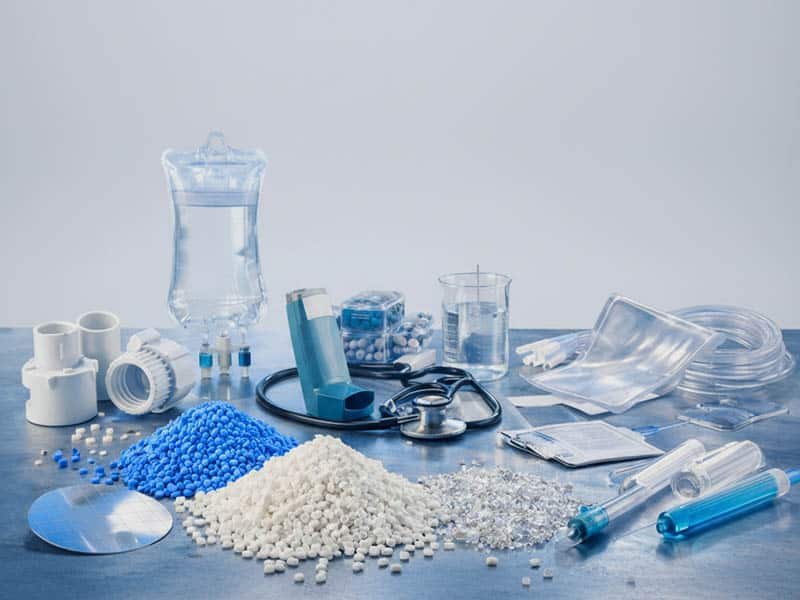
Plastics for medical devices provide enabling safer, more cost-effective, and customizable solutions compared to traditional
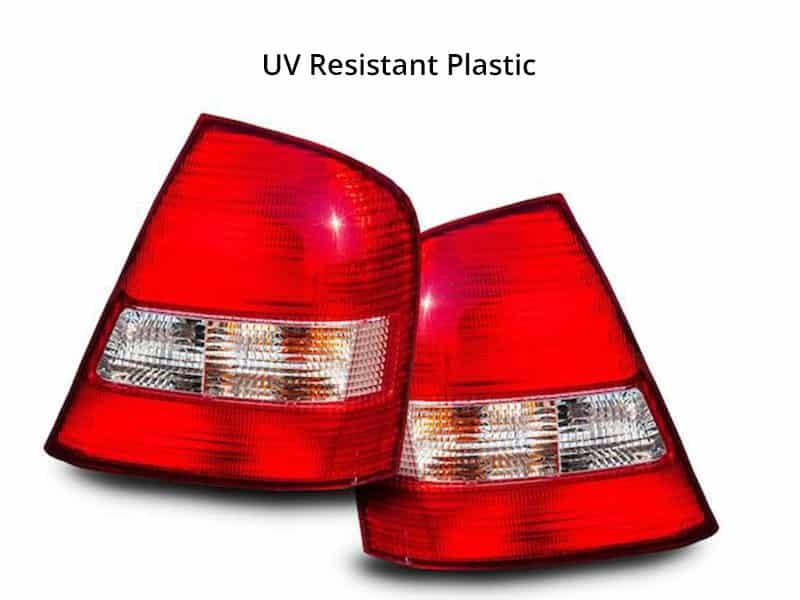
Ultraviolet (UV) radiation from sunlight causes gradual degradation in many plastic materials. This process, known
Dimensional control is a central concern in injection molding. Even when the mold is precisely
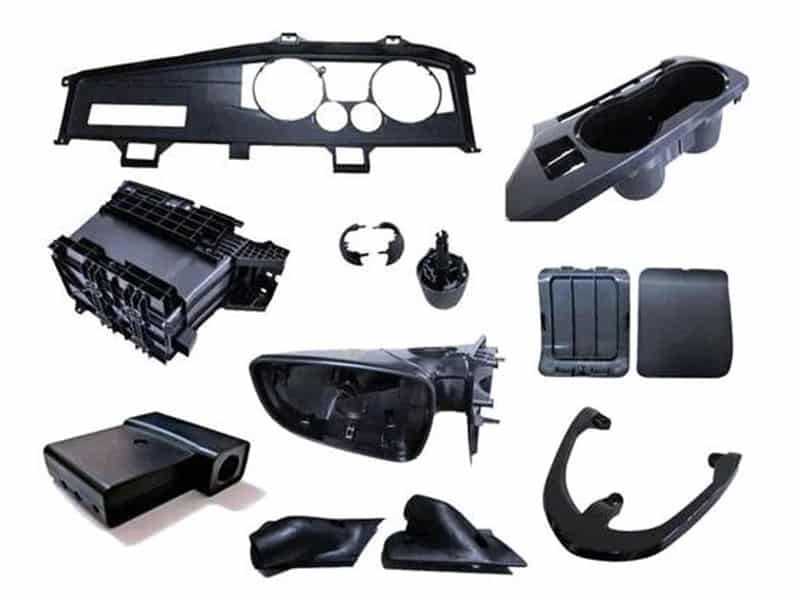
Plastics have become a primary material in modern vehicle manufacturing. The use of automotive plastic
Polymer materials are BY FAR the most unique materials in modern manufacturing. You see them
In the food and beverage industry, safety is paramount. Every component that comes into contact