
Polypropylene Manufacturing Guide
What is PP Plastic Material
Polypropylene (PP) is a semi-crystalline thermoplastic widely used for parts that need good chemical resistance, low density, and reliable durability. It softens at relatively low temperatures and processes easily, making it a common choice for mass-production methods like injection molding.
PP is valued for its balance of toughness, flexibility, and cost efficiency. Polypropylene parts show up everywhere, from containers and caps to automotive parts and basic mechanical components.
Different Types of Polypropylene
Polypropylene is produced in several grades, each offering a different balance of stiffness, impact resistance, and processing behavior. As a professional plastic injection molding manufacturer, we can adjust the structure or add reinforcements to achieve different mechanical behaviors.
Homopolymer PP (PP-H)
A rigid grade with higher tensile strength and heat resistance. Suitable for structural parts and components requiring good dimensional stability.
Random Copolymer PP (PP-R)
Incorporates ethylene randomly into the polymer chain, improving clarity, flexibility, and impact resistance at room temperature.
Impact Copolymer PP (PP-B)
A block structure that significantly boosts impact strength, especially at low temperatures. Often used in automotive and industrial housings.
Filled or Reinforced PP
Enhanced with glass fiber, talc, or mineral fillers to improve stiffness, heat deflection, and dimensional control for demanding applications.
Properties and Features of PP
Polypropylene offers a well-balanced property profile that makes it one of the most widely used plastics in manufacturing. Its mechanical, thermal, and chemical characteristics make it suitable for both consumer and industrial components.
Physical Properties of PP Plastic
- Density: 0.89–0.91 g/cm³
- Water Absorption (24h): < 0.02%
- Shrinkage: 1.0–2.5% (grade-dependent)
Mechanical of PP Plastic
- Moderate tensile strength (25–40 MPa), good enough for many housings
- Flexes without cracking — elongation can reach 200–700%
- Impact toughness depends heavily on copolymer vs homopolymer
- Flexural modulus sits around 900–1500 MPa
Thermal Properties of PP Plastic
- Melting Temperature (Tm): 160–170°C
- Heat Deflection Temperature (HDT, @0.45 MPa): 60–105°C
- Continuous Service Temperature: ~0–100°C
Chemical Properties of PP Plastic
- Excellent resistance to acids, bases, detergents, and most organic solvents
- Poor resistance to strong oxidizers (e.g., nitric acid) and chlorinated solvents
- Non-hygroscopic, maintains dimensional stability
Advantages and Disadvantages of Polypropylene
Polypropylene offers a well-balanced performance profile, but like any engineering material, it comes with trade-offs. Understanding these characteristics helps determine when PP is suitable and when another polymer may perform better.Advantages of Polypropylene
Lightweight
Resistant to Common Chemicals and Cleaners
Good Fatigue and Flexural Performance
Low Moisture Absorption
Efficient for High-Volume Molding
Fast cycle times and good flow reduce per-part cost and improve consistency in large-scale production.
Disadvantages of Polypropylene
Heat Limits in End-Use
With deformation occurring above ~100°C, PP softens quickly under elevated temperatures. It must be considered in environments involving heat or mechanical load.
Brittleness in Cold Conditions
Higher Shrinkage
Poor UV Resistance
Polypropylene Manufacturing Process
Polypropylene has low density, good melt flow, and chemical stability. It is easy to process, which is one of the reasons it’s widely used across many industries.Injection Molding
CNC Machining
Extrusion
Thermoforming
Polypropylene Plastic Application
PP is widely used across many industries. Typical applications include:- Food packaging items such as containers, caps, and lightweight reusable boxes.
- Household goods including storage bins, buckets, and everyday organizers.
- Automotive parts like interior trims, battery cases, and washer fluid tanks.
- Medical and lab products such as syringes, specimen cups, and disposable containers.
- Industrial components including pipes, fittings, and chemical-resistant tanks.


Materials Similar to ABS and How to Choose
Polypropylene vs Polyethylene
Key Differences
How to Choose
Polypropylene vs Nylon
Key Differences
How to Choose
Polypropylene vs Polystyrene
Key Differences
How to Choose
Polypropylene vs Polycarbonate
Key Differences
How to Choose
Polypropylene vs Acrylic
Key Differences
How to Choose
Polypropylene vs ABS
Key Differences
How to Choose
Get Polypropylene Product Now
PP Plastic Material FAQs
Is polypropylene food safe?
Yes. Most grades of polypropylene are FDA-compliant and widely used for food containers, cups, lids, and packaging. It is non-toxic, does not leach chemicals under normal use, and remains stable when exposed to hot water or steam.
What is polypropylene’s melting temperature?
PP typically melts between 160–170°C. Homopolymer PP is usually toward the higher end (≈168–171°C), while copolymer PP melts slightly lower.
Is polypropylene BPA-free?
Yes. Polypropylene does not contain BPA and does not require BPA in its production process. It’s considered one of the safest plastics for food contact and personal-use items.
What is polypropylene’s temperature range? What is its maximum temperature?
- Maximum short-term temperature: around 110–120°C.
- Minimum functional temperature: around –10 to –20°C.
Is polypropylene water resistant?
Yes. PP is naturally hydrophobic and absorbs less than 0.01% water. It does not swell, degrade, or lose strength when exposed to moisture, making it ideal for wet or humid environments.
Is polypropylene strong? How strong is polypropylene?
PP has moderate strength with a tensile strength typically in the 30–40 MPa range. It is not as stiff as engineering plastics, but it offers excellent fatigue resistance, good impact strength (especially copolymer grades), and high flexibility under repeated load.
Is polypropylene UV-resistant?
Standard PP has poor UV resistance and becomes brittle with prolonged sunlight exposure. However, UV-stabilized grades or additives (like carbon black or HALS stabilizers) significantly improve outdoor durability.
What is the polypropylene shrinkage rate?
PP has a relatively high shrinkage rate, typically 1.0–2.5% depending on grade, wall thickness, and molding conditions. This makes mold design and process control important for dimensional accuracy.
Related Resources of PP Manufacturing
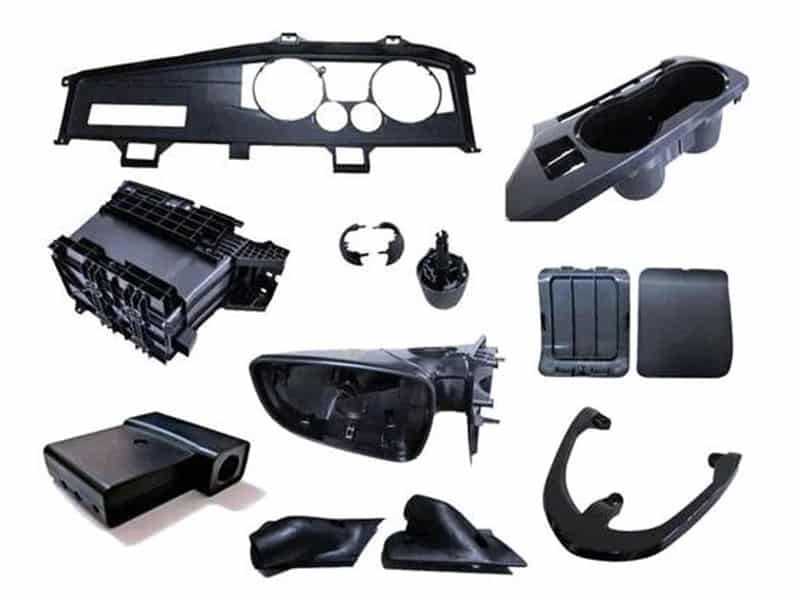
Plastics have become a primary material in modern vehicle manufacturing. The use of automotive plastic
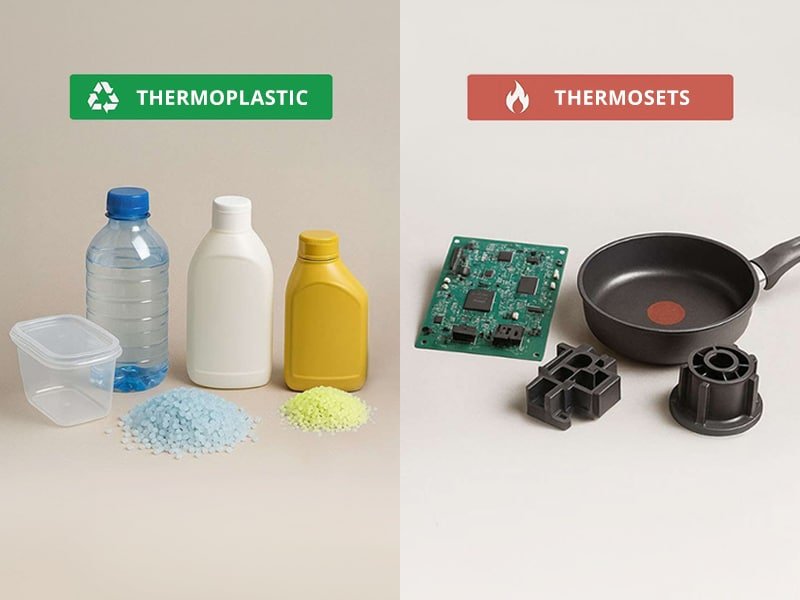
Polymer materials are BY FAR the most unique materials in modern manufacturing. You see them

In the food and beverage industry, safety is paramount. Every component that comes into contact

The plastic melting point plays a critical role in injection molding, directly impacting material flow,
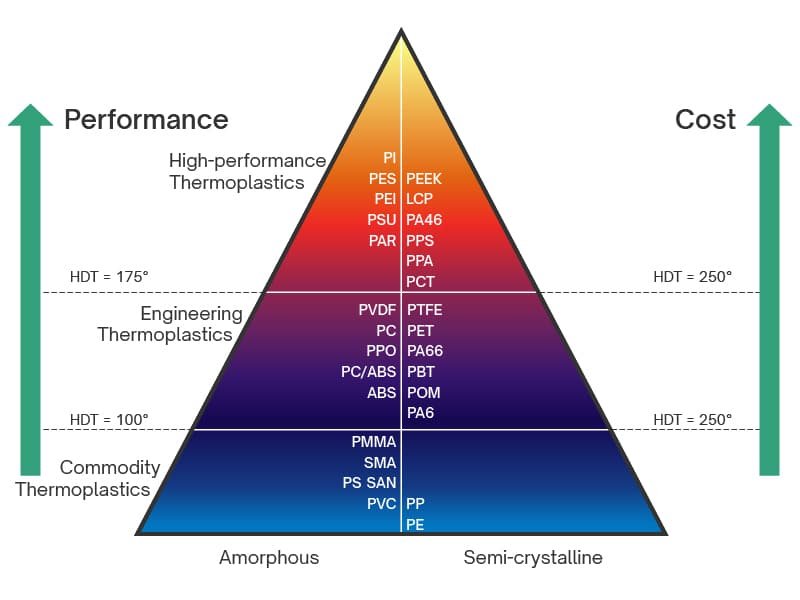
Compared to traditional materials such as metals, ceramics, and laminated glass, plastic has the disadvantage

It is important to avoid common mistakes in plastic material selection during the injection molding process. It is a