
Nylon Manufacturing Guide
What is Nylon?
Nylon is a type of synthetic polymer known for its strength, toughness, and excellent wear resistance. Chemically, nylon belongs to the polyamide family, meaning its molecular structure contains recurring amide bonds (–CONH–). It was one of the first engineering plastics developed and remains widely used today for industrial and mechanical components due to its balance of mechanical strength, chemical resistance, and processability.
In manufacturing, nylon is commonly used to produce wear parts, gears, bushings, and fasteners where both mechanical and thermal performance matter.
Nylon with Glass Fiber
An important extension of this material is glass-fiber-reinforced nylon, which significantly increases stiffness, heat resistance, and dimensional stability compared with unfilled nylon. This makes GF-nylon suitable for more demanding structural or load-bearing environments.
Types of Nylon
Different nylon grades have distinct molecular structures that influence their performance in various applications. Choosing the right type depends on the design and performance requirements of the final product. As a nylon parts manufacturer, Erye molding helps you selecting the correct grade for your part’s environment and function.
Here are the grades we most commonly used in industrial nylon manufacturing.
Nylon 6
A versatile and cost-effective material with good mechanical balance and easy processability.
Nylon 6/6
Offers high melting point and excellent strength-to-weight ratio, suitable for structural components.
Nylon 6/12
Absorbs less moisture and maintains dimensional accuracy under humid conditions.
Nylon 11 & 12
Provide superior flexibility and chemical resistance, often used where impact resistance and stability are key.
Properties and Features of Nylon
Here we summarise the principal physical, chemical, mechanical and electrical properties of conventional nylon (PA) materials, providing the data you need to assess suitability for engineering-grade components.
Physical Properties of Nylon
- Density: ~1.14 g/cm³ for nylon 6; ~1.15 g/cm³ for nylon 6/6.
- Melting point: ~215 °C for nylon 6; ~252 °C for nylon 6/6.
- Moisture absorption (equilibrium in air): ~2 %–4 % by weight for unfilled nylon.
- Good abrasion resistance and dimensional stability when dry.
- Good electrical insulation when dry, with high dielectric strength typical of polyamides.
Chemical Properties of Nylon
- Resistant to many oils, greases and aliphatic hydrocarbons; but attacked by strong mineral acids and some oxidising bleaches.
- Alkali-resistant to a good degree, but water/humidity uptake may affect chemical stability over time.
- Limited UV resistance: prolonged exposure may lead to strength loss or yellowing.
Mechanical Properties of Nylon
- Tensile strength: typical unfilled nylon ~50–90 MPa; higher with glass-fibre reinforcement.
- Good impact resistance and fatigue strength; toughness remains high even under repeated load.
- The hygroscopic nature means modulus and yield stress drop if saturated with moisture.
Advantages & Disadvantages of Nylon Plastic
Nylon (polyamide) is a widely used engineering plastic known for its strong mechanical and chemical balance. Understanding its advantages and limitations helps in material selection, part design, and long-term performance prediction.
Advantages of Nylon Plastic
High Mechanical Strength and Toughness
Excellent Wear and Friction Resistance
Lightweight and Dimensionally Efficient
Good Chemical and Oil Resistance
Versatile in Processing and Finishing
Disadvantages of Nylon Plastic
Moisture Sensitivity
Thermal Degradation Risk
Poor UV Stability
Creep Under Continuous Load
Not Suitable for All Chemical Environments
Nylon Manufacturing Process
Nylon is a versatile thermoplastic that can be shaped through multiple production methods depending on performance requirements and part geometry. Each process offers specific advantages in precision, scalability, and mechanical strength.
Injection Molding
CNC Machining
Casting Molding
Extrusion
Nylon Plastic Application
From heavy-duty engineering parts to everyday products, nylon serves a wide range of practical uses. Typical applications include:
- Machine components such as sprockets, pulleys, and slide bearings requiring wear resistance.
- Automotive systems featuring nylon fuel connectors, radiator tanks, and engine mounts.
- Electrical items including cable sheaths, terminal housings, and insulation parts.
- Industrial and agricultural equipment using nylon rollers, bushings, and liners.
- Consumer products like sports gear, tool handles, and protective covers.


Material Similar to Nylon and How to Choose
Nylon 6 vs Nylon 66
Key Differences
How to Choose
Nylon 6 vs Nylon 12
Key Differences
How to Choose
Nylon vs POM (Acetal)
Key Differences
How to Choose
Nylon vs ABS
Key Differences
How to Choose
Get Nylon Plastic Part
Nylon Plastic Material FAQs
What types of nylon do you offer for nylon injection molding?
We work with a wide range of nylon materials to meet different performance needs, including,
- Nylon 6
- Nylon 6/6
- Nylon 11
- Nylon 12
We also provide custom material selection and can help you choose the right nylon based on your part’s requirements.
What is glass filled nylon?
Glass-filled nylon is a composite material made by adding glass fibers into nylon resin. The glass fibers enhance the material’s strength, stiffness, and heat resistance while reducing its shrinkage and creep. However, it also makes the material less flexible and slightly more abrasive to tooling. It’s widely used in structural and load-bearing applications such as gears, housings, brackets, and under-the-hood automotive parts.
Do you offer glass filled nylon injection molding service?
Yes, we do. Glass-filled nylon is one of our most commonly used reinforced materials. We can mold nylon with various glass fiber loadings, typically from 10% to 35%, depending on your strength, stiffness, and thermal resistance requirements.
Is nylon strong? And how strong is nylon?
Yes, nylon is a strong and durable engineering plastic. Its tensile strength typically ranges between 70 and 100 MPa, depending on the grade and formulation. When reinforced with glass fiber, nylon’s strength can reach over 200 MPa.
What is nylon temperature range?
Nylon has a broad working temperature range, typically between -40°C and 120°C (−40°F to 250°F) for standard grades. Glass-filled or heat-stabilized nylon can handle even higher continuous service temperatures, up to around 150°C (300°F). Nylon maintains its mechanical strength well under heat but can lose performance when exposed to extreme humidity or very high temperatures for long periods.
What is nylon molding used for?
Nylon injection molding is used to produce high-performance parts that require strength, wear resistance, and precision. It’s commonly applied in automotive, electronics, industrial machinery, and consumer products. Because nylon combines toughness, chemical resistance, and lightweight properties, it’s ideal for functional and structural components that must endure repeated mechanical stress.
Related Resources of Nylon Manufacturing
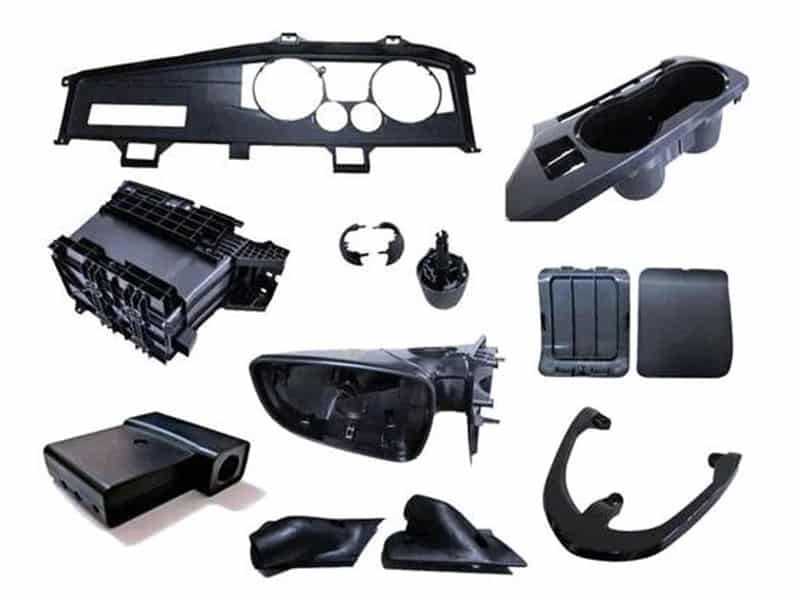
Plastics have become a primary material in modern vehicle manufacturing. The use of automotive plastic
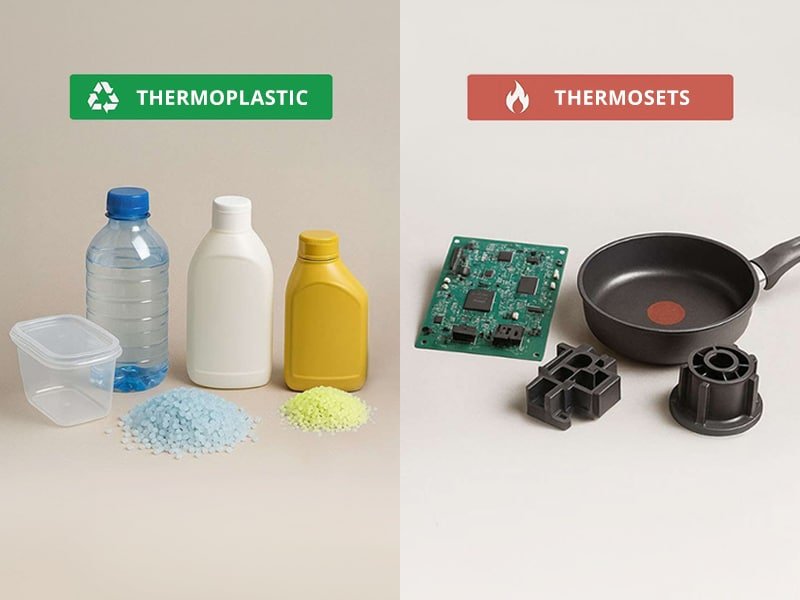
Polymer materials are BY FAR the most unique materials in modern manufacturing. You see them

In the food and beverage industry, safety is paramount. Every component that comes into contact

The plastic melting point plays a critical role in injection molding, directly impacting material flow,
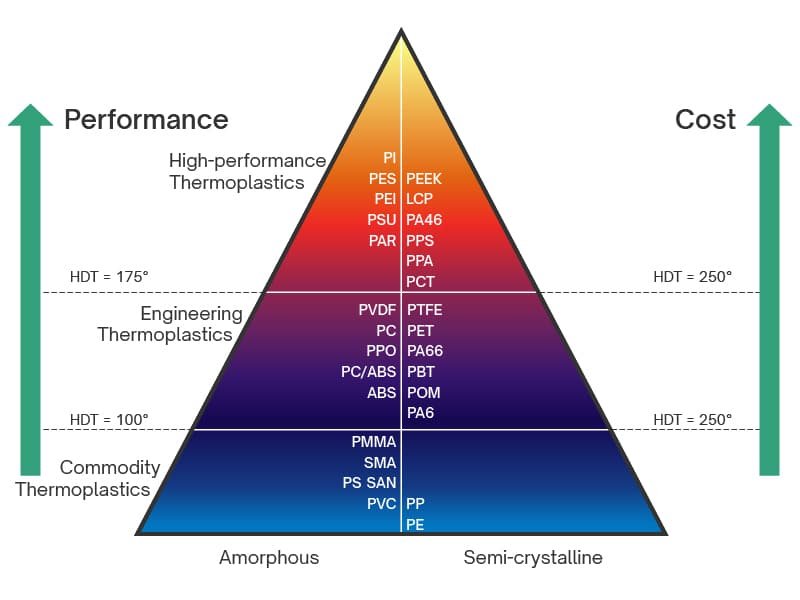
Compared to traditional materials such as metals, ceramics, and laminated glass, plastic has the disadvantage

It is important to avoid common mistakes in plastic material selection during the injection molding process. It is a