Natural Rubber (NR) Manufacturing Guide

Natural Rubber (NR) is an elastomer derived from natural latex and is widely known for its excellent elasticity, resilience, tensile strength, and abrasion resistance. It is commonly used in vibration isolation components, seals, industrial products, agricultural equipment, and dynamic applications where flexibility and durability are important.
Content
    Add a header to begin generating the table of contents

    What Is Natural Rubber – What Does NR Stand For?

    NR stands for Natural Rubber. Natural rubber is produced from the latex of rubber trees and has been used in industrial applications for more than a century. It remains one of the most widely used elastomers because of its exceptional elasticity, high resilience, and excellent mechanical properties.

    Compared with many synthetic rubbers, natural rubber offers superior flexibility and dynamic performance, making it ideal for products subjected to repeated movement, vibration, or impact.
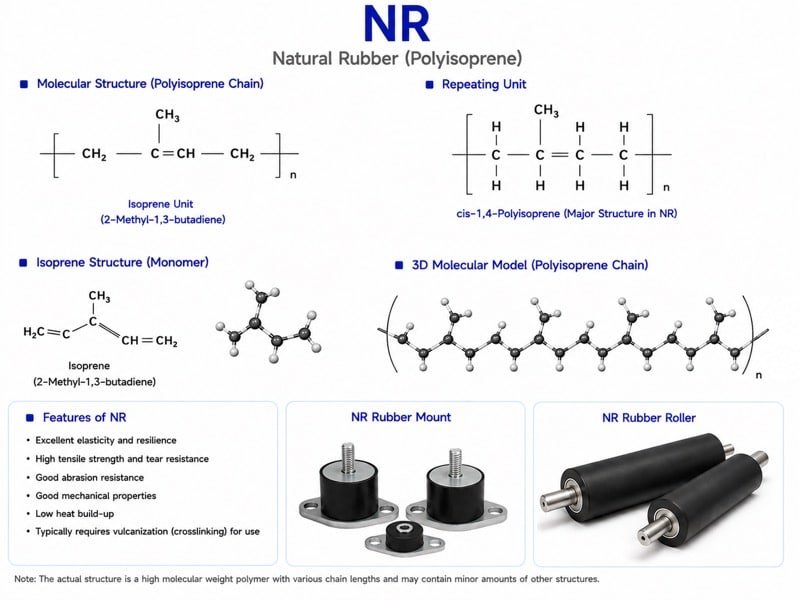
    natural rubber molecular structure

    Different Types of Natural Rubber

    General-Purpose Natural Rubber

    Suitable for standard industrial applications requiring flexibility and durability.

    High-Abrasion Natural Rubber

    Formulated for wear-intensive environments where abrasion resistance is critical.

    Blended Natural Rubber

    Combined with synthetic rubbers to improve specific performance characteristics.

    Properties and Features of Natural Rubber

    Natural rubber combines excellent elasticity, resilience, and abrasion resistance, making it one of the most versatile elastomer materials available.

    Physical Properties of Natural Rubber
    • Excellent elasticity
    • Outstanding resilience
    • Excellent abrasion resistance
    • Good flexibility
    • Excellent vibration damping
    • Good tear resistance
    • Good impact resistance
    • Cost-effective material
    • Easy to process
    • Long fatigue life

    Chemical Properties

    • Water: Good
    • Dilute Acids: Fair to Good
    • Dilute Alkalis: Fair to Good
    • Ozone: Poor
    • UV Exposure: Poor
    • Oils and Greases: Poor
    • Fuels: Poor
    • Weathering: Poor

    Mechanical Properties of Natural Rubber

    • Density: 0.92 – 0.98 g/cmÂł
    • Tensile Strength: 15 – 30 MPa
    • Elongation at Break: 400 – 800%
    • Shore Hardness: 30A – 90A
    • Tear Resistance: Excellent
    • Resilience: Excellent
    • Compression Set: Good

    Thermal Properties

    • Continuous Service Temperature: -40°C to 80°C
    • Good low-temperature flexibility
    • Limited high-temperature resistance

    Electrical Properties of Natural Rubber

    • Good electrical insulation
    • Suitable for general insulation applications

    Advantages & Disadvantages of Natural Rubber

    Understanding the strengths and limitations of natural rubber helps determine whether it is the right material for a specific application.

    Advantages of Natural Rubber

    Natural rubber can stretch significantly and return to its original shape, making it ideal for dynamic applications involving repeated movement or deformation.

    NR provides excellent energy recovery and vibration absorption, helping improve performance in shock-absorbing and vibration-isolation applications.

    Natural rubber performs well in applications involving repeated contact and wear, making it suitable for industrial and agricultural equipment.

    Its mechanical strength allows it to withstand repeated loading without premature failure.

    Natural rubber provides strong overall performance at a relatively economical cost.

    Disadvantages of Natural Rubber

    Natural rubber can degrade when exposed to sunlight, ozone, and outdoor weather conditions for extended periods.

    NR is generally not suitable for applications involving petroleum-based oils, fuels, or lubricants.

    Compared with silicone and some synthetic rubbers, natural rubber performs best in moderate temperature environments.

    Long-term environmental exposure can reduce performance if protective formulations are not used.

    Natural Rubber Manufacturing Process

    Natural rubber components can be manufactured using several processing methods depending on part design and production volume.

    Natural Rubber Applications

    Natural rubber is commonly used in applications requiring elasticity, abrasion resistance, and vibration absorption.

    Typical applications include:

    • Vibration isolators
    • Rubber mounts
    • Suspension components
    • Industrial seals
    • Gaskets
    • Conveyor components
    • Agricultural equipment parts
    • Anti-vibration pads
    • Protective covers
    • General industrial rubber products

    Materials Similar to Natural Rubber and How to Choose

    Natural Rubber vs EPDM

    Natural Rubber Material FAQs

    Yes. Natural rubber is widely used for custom molded parts through compression molding, injection molding, and transfer molding processes.

    Yes. Natural rubber is one of the most commonly used materials for vibration isolation because of its excellent elasticity and resilience. It can effectively absorb shock and vibration.

    Natural rubber is generally not the best choice for long-term exposure to sunlight, ozone, and weathering. For outdoor applications requiring extended service life, materials like EPDM are often a better option.

    No. Natural rubber is not recommended for applications involving oils, fuels, or petroleum-based fluids because it can swell and deteriorate. NBR or Viton are usually better choices when oil resistance is required.

    Natural rubber performs well in temperatures ranging from -40°C to 80°C. Outside this range, its mechanical properties may gradually decline, especially during prolonged exposure to elevated temperatures.

    Natural rubber is available in a wide range of hardness levels, typically from 30 Shore A to 90 Shore A. Softer grades provide greater flexibility and cushioning, while harder grades offer improved durability and resistance to deformation under load.

    Related Resources of Natural Rubber Manufacturing

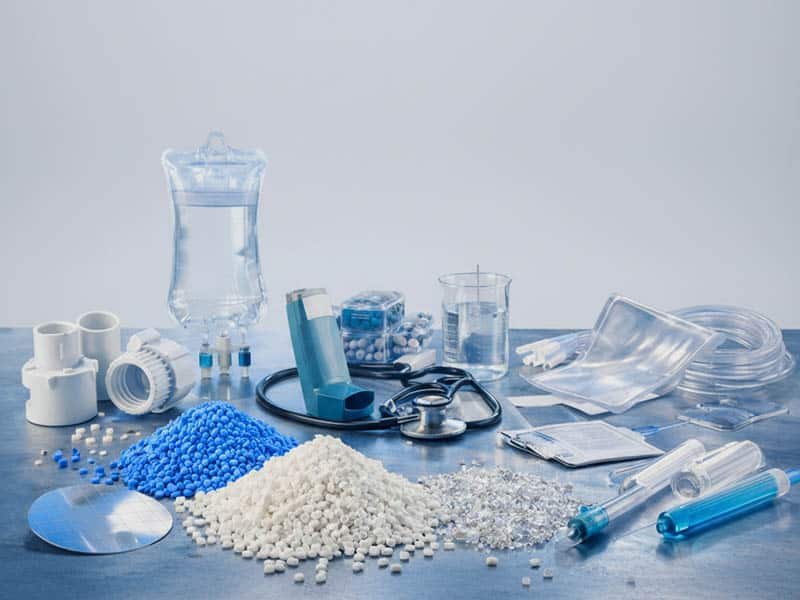
    Plastics for medical devices provide enabling safer, more cost-effective, and customizable solutions compared to traditional

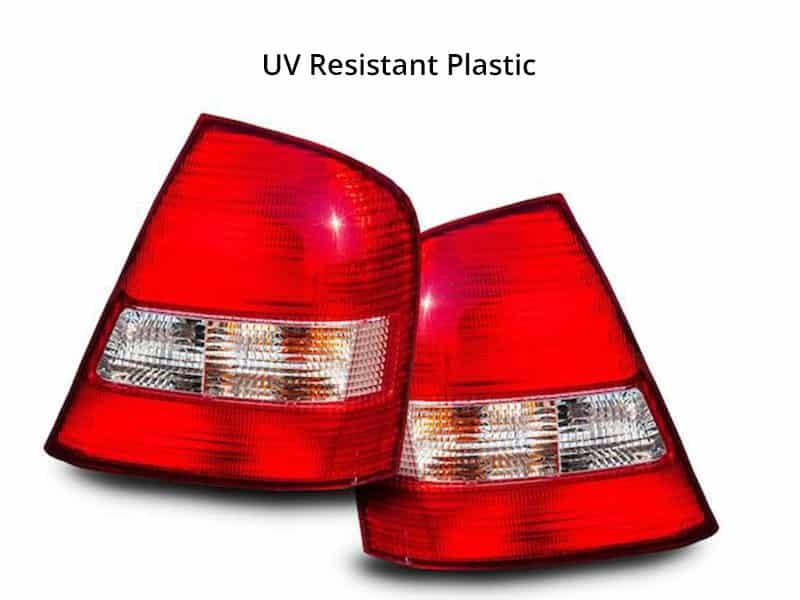
    Ultraviolet (UV) radiation from sunlight causes gradual degradation in many plastic materials. This process, known

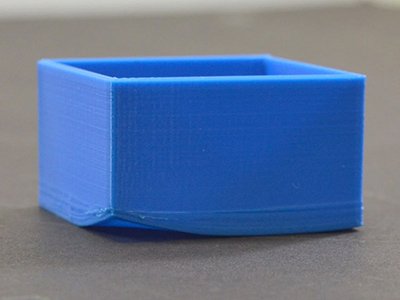
    Dimensional control is a central concern in injection molding. Even when the mold is precisely

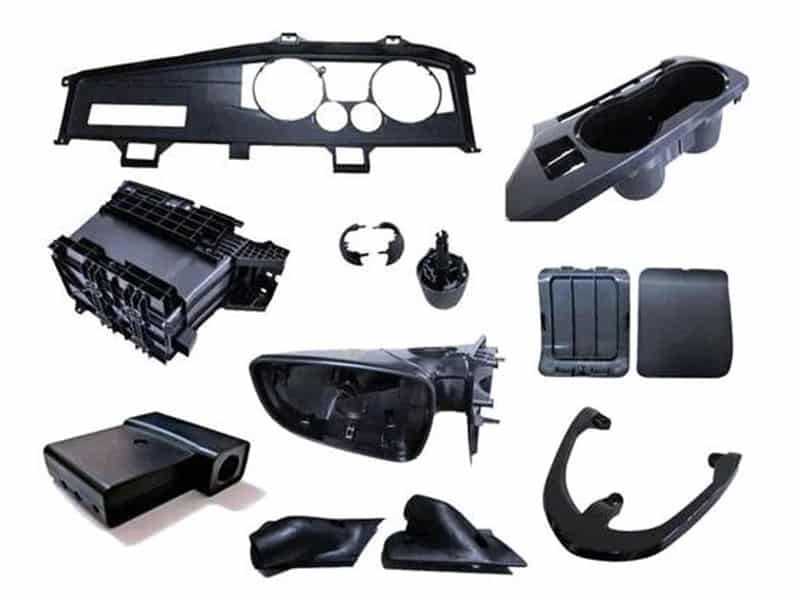
    Plastics have become a primary material in modern vehicle manufacturing. The use of automotive plastic

    Polymer materials are BY FAR the most unique materials in modern manufacturing. You see them

    In the food and beverage industry, safety is paramount. Every component that comes into contact