
NBR Rubber Manufacturing Guide
What Is NBR – What Does NBR Stand For?
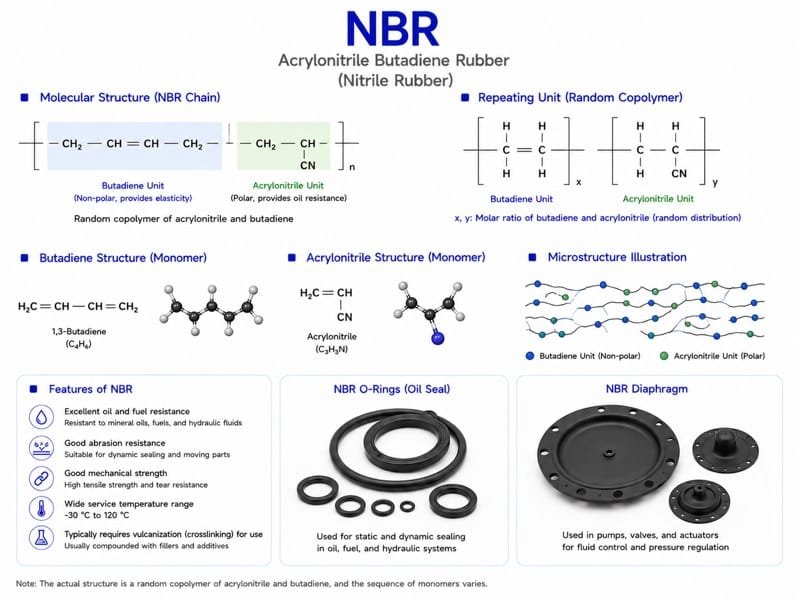
NBR stands for Nitrile Butadiene Rubber. It is a synthetic rubber specifically developed to provide resistance to oils, fuels, lubricants, and hydraulic fluids. Because of this unique characteristic, NBR is one of the most widely used elastomers in automotive, industrial, hydraulic, and fluid sealing applications.
Compared with materials such as EPDM or Natural Rubber, NBR performs significantly better when exposed to petroleum-based fluids, making it a preferred material for many sealing applications.
Different Types of NBR Rubber
General-Purpose NBR
Suitable for standard oil-resistant sealing applications and general industrial use.
Hydrogenated NBR (HNBR)
Provides improved heat resistance, chemical resistance, and mechanical properties compared with standard NBR.
FDA-Compliant NBR
Designed for food-processing applications where both oil resistance and regulatory compliance are required.
Properties and Features of NBR Rubber
NBR combines excellent oil resistance with good mechanical strength and sealing performance.
Physical Properties of NBR Rubber
- Excellent oil resistance
- Excellent fuel resistance
- Good wear resistance
- Good compression set resistance
- Good tear resistance
- Good flexibility
- Good mechanical strength
- Cost-effective material
- Suitable for dynamic sealing applications
- Long service life in oil environments
Chemical Properties
- Oils and Greases: Excellent
- Fuels: Excellent
- Hydraulic Fluids: Excellent
- Water: Good
- Dilute Acids: Fair
- Dilute Alkalis: Fair
- Ozone: Poor
- UV Exposure: Poor
- Weathering: Poor
Mechanical Properties of NBR Rubber
- Density: 1.00 – 1.30 g/cm³
- Tensile Strength: 10 – 25 MPa
- Elongation at Break: 200 – 600%
- Shore Hardness: 40A – 90A
- Tear Resistance: Good
- Abrasion Resistance: Good
- Compression Set: Good
Thermal Properties
- Continuous Service Temperature: -30°C to 120°C
- HNBR Grades: Up to 150°C
- Good low-temperature flexibility in specialized grades
Electrical Properties of NBR Rubber
- Good electrical insulation
- Suitable for general industrial applications
Advantages & Disadvantages of NBR Rubber
Understanding the strengths and limitations of NBR helps determine whether it is the right material for a specific application.
Advantages of NBR Rubber
Excellent Oil and Fuel Resistance
NBR's primary advantage is its ability to withstand prolonged exposure to oils, fuels, lubricants, and hydraulic fluids. This makes it one of the most widely used sealing materials in automotive and industrial equipment.
Good Mechanical Strength
NBR offers a balanced combination of tensile strength, flexibility, and durability, allowing it to perform well in both static and dynamic sealing applications.
Good Wear Resistance
Compared with many general-purpose elastomers, NBR provides good resistance to abrasion and mechanical wear.
Cost-Effective Material
NBR offers strong performance in oil-resistant applications at a relatively economical cost compared with premium elastomers such as Viton.
Disadvantages of NBR Rubber
Poor Weather Resistance
NBR is not ideal for long-term outdoor exposure. Sunlight, ozone, and weathering can cause cracking and degradation over time.
Limited UV Resistance
Compared with EPDM and Silicone, NBR performs poorly in applications exposed to direct sunlight.
Moderate Temperature Resistance
While suitable for many industrial applications, NBR cannot match the high-temperature capability of Silicone or Viton.
Limited Ozone Resistance
Ozone exposure can accelerate aging and reduce service life in outdoor environments.
NBR Rubber Manufacturing Process
NBR components can be produced using several manufacturing methods depending on part design and production requirements.
Compression Molding
Rubber Injection Molding
Extrusion
Die Cutting
NBR Rubber Applications
NBR is commonly used in applications involving oils, fuels, lubricants, and hydraulic systems.
Typical applications include:
- O-rings
- Oil seals
- Fuel system seals
- Hydraulic seals
- Industrial gaskets
- Automotive seals
- Fuel hoses
- Hydraulic hoses
- Pump components
- Industrial rubber parts
Materials Similar to NBR and How to Choose
NBR vs EPDM
Key Differences
How to Choose
NBR vs Silicone
Key Differences
How to Choose
NBR vs Viton (FKM)
Key Differences
How to Choose
NBR vs Natural Rubber
Key Differences
How to Choose
NBR vs HNBR
Key Differences
How to Choose
Get NBR Rubber Parts
NBR Rubber Material FAQs
Is NBR a Good Material for Oil Seals?
NBR is one of the most widely used materials for oil seals because it provides excellent resistance to petroleum-based oils and lubricants. It can maintain reliable sealing over long periods of operation.
Does NBR Crack or Degrade Outdoors?
NBR is not designed for long-term outdoor exposure. Prolonged exposure to sunlight, ozone, and weather can cause the material to harden, crack, and lose flexibility over time. For outdoor applications, EPDM or Silicone are often better choices.
What Temperature Can NBR Withstand?
Standard NBR typically operates between -30°C and 120°C. Specialized grades such as HNBR can withstand higher temperatures while maintaining good sealing performance and durability.
How Long Does NBR Typically Last?
The service life of NBR depends on factors such as temperature, fluid exposure, pressure, and operating conditions. In properly designed oil and hydraulic sealing applications, NBR can provide reliable performance for many years.
What Hardness Options Are Available for NBR Rubber?
NBR is available in a wide range of hardness levels, typically from 40 Shore A to 90 Shore A. Softer grades provide greater flexibility and sealing capability, while harder grades offer improved wear resistance and resistance to deformation.
Can NBR Be Manufactured in Different Colors?
Yes. NBR can be produced in various standard and custom colors depending on application requirements. While black is the most common color, other colors are often used for identification, branding, or industry-specific requirements.
Related Resources of NBR Rubber Manufacturing
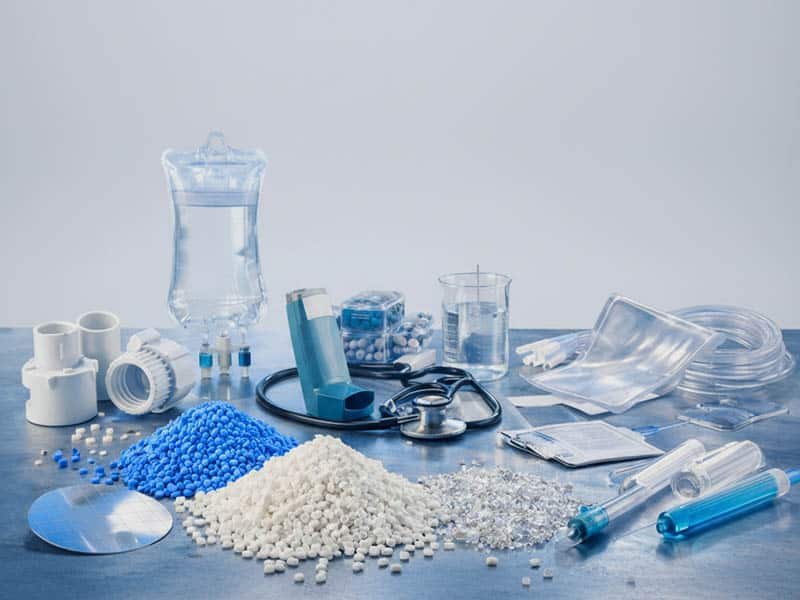
Plastics for medical devices provide enabling safer, more cost-effective, and customizable solutions compared to traditional
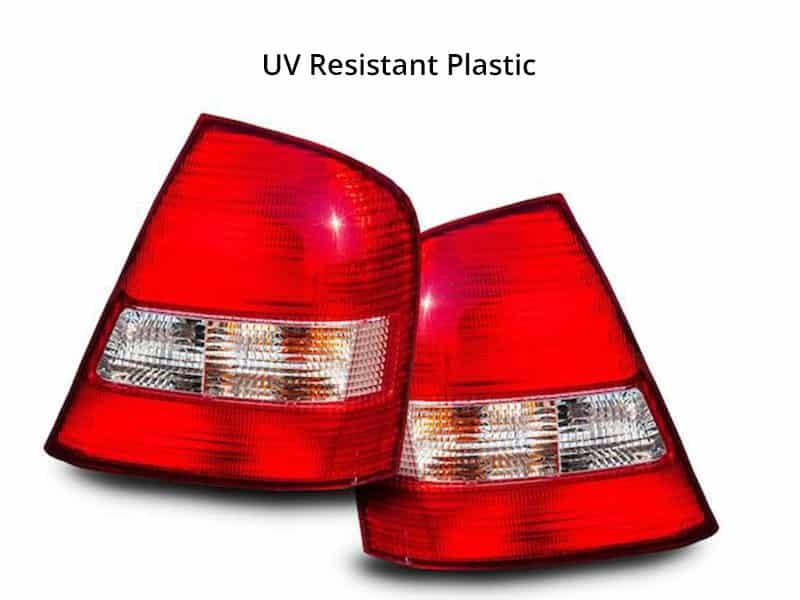
Ultraviolet (UV) radiation from sunlight causes gradual degradation in many plastic materials. This process, known
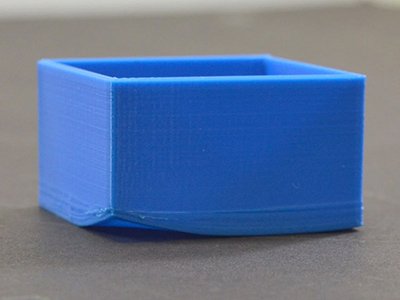
Dimensional control is a central concern in injection molding. Even when the mold is precisely
Plastics have become a primary material in modern vehicle manufacturing. The use of automotive plastic
Polymer materials are BY FAR the most unique materials in modern manufacturing. You see them

In the food and beverage industry, safety is paramount. Every component that comes into contact