
Acrylic Manufacturing Guide
What is PMMA?
Polymethyl methacrylate (PMMA) is a transparent, rigid thermoplastic known for its excellent optical clarity and surface hardness. It belongs to the acrylic family of polymers and is often used as a lightweight, shatter-resistant alternative to glass. In the industry, PMMA is simply called “acrylic,” and both terms refer to the same material.
PMMA offers high light transmission, good weatherability, and stable dimensional behavior, making it suitable for components that require clarity and long-term outdoor performance.
Different Types of PMMA
PMMA (Acrylic) materials are produced in different grades to support both visual and structural requirements. Each type carries its own balance of clarity, strength, and manufacturing flexibility.
Cell-Cast PMMA
Produced through a casting process, offering the highest optical clarity, surface hardness, and chemical resistance.
Extruded PMMA
Manufactured through continuous extrusion, providing tighter thickness tolerance and better formability at a lower cost.
Impact-Modified PMMA
Modified with elastomers to improve impact resistance while maintaining transparency.
UV-Stabilized PMMA
Formulated with additives to enhance weatherability for long-term outdoor exposure.
Properties and Features of Acrylic
PMMA’s properties make it popular in applications that require clarity, rigidity, and good weather resistance. Here is a breakdown of how the material behaves in real Acrylic manufacturing environments.
Physical Properties of Acrylic
- Density: 1.17–1.20 g/cm³, lighter than glass.
- Shrinkage: 0.2–0.8%, low due to amorphous structure.
- Water absorption (24h): 0.2–0.4%.
Mechanical Properties of Acrylic
- Tensile strength: 55–75 MPa, high rigidity.
- Tensile modulus: 2.4–3.3 GPa, excellent stiffness.
- Elongation at break: 2–5%, low ductility.
- Izod impact strength: 2–20 kJ/m², brittle without modifiers.
Thermal Properties of Acylic
- Glass transition temperature (Tg): ~105°C.
- Working temperature: -20°C to 80°C.
- Heat deflection temperature: 80–100°C.
- Coefficient of thermal expansion: 70–90 × 10⁻⁶ /°C.
Optical & Aesthetic Properties of Acylic
- Visible light transmission: 90-92% (higher than many glasses).
- Refractive index: 1.49, bright and clean appearance.
- UV stability: naturally high—minimal yellowing outdoors.
- Surface hardness: higher than many plastics, scratch-resistant.
Chemical Properties of Acylic
- Good resistance to water, dilute acids, and bases.
- Poor resistance to alcohols, ketones, esters, and chlorinated solvents.
- Susceptible to stress cracking with incompatible chemicals.
Advantages and Disadvantages of Acrylic
Acrylic has a distinct balance of optical, mechanical, and environmental properties. It behaves consistently in molding and machining, but like all materials, it presents both benefits and constraints. Understanding both helps you decide whether PMMA fits the performance needs of your project.Advantages of Acrylic Material
Excellent Optical Transparency
Good Surface Hardness
Strong UV and Weather Resistance
Predictable Dimensional Behavior
Good Chemical Stability
Disadvantages of Acrylic Material
Limited Impact Strength
Brittle Fracture Mode
PMMA tends to crack suddenly at stress concentrations. Sharp corners, thin edges, or unrelieved joints can initiate cracking if the part is not properly designed.
Moderate Heat Resistance
Poor Solvent Resistance
Limited Flexibility for Clip Features
Acrylic Manufacturing Process
Acrylic (PMMA) can be shaped through several manufacturing routes, each offering different strengths depending on the part geometry, clarity requirements, and production volume.Injection Molding
CNC Machining
Extrusion
Acrylic Product Applications
Acrylic is widely used where transparency, surface quality, and dimensional stability are important. It fits into many industries and supports both functional and aesthetic needs.- Consumer goods often use acrylic for display covers, protective panels, and transparent housings.
- Automotive applications include light lenses, instrument covers, and interior transparent components.
- Lighting products frequently adopt acrylic for diffusers, lenses, and high-clarity light guides.
- Medical and laboratory environments use acrylic for transparent enclosures, shields, and instrument panels.
- Retail and signage rely on acrylic for display panels, lightboxes, and durable visual elements.
Materials Similar to Acrylic and How to Choose
Acrylic vs Glass
Key Differences
How to Choose
Acrylic vs Polycarbonate
Key Differences
How to Choose
Acrylic vs Polypropylene
Key Differences
How to Choose
Get Acrylic Plastic Part
Acrylic Plastic Material FAQs
What is acrylic melting point?
What is PMMA used for?
Is PMMA plastic safe?
Is PMMA a good material?
Does PMMA scratch easily?
Does acrylic plastic crack easily?
Related Resources of Acrylic Manufacturing
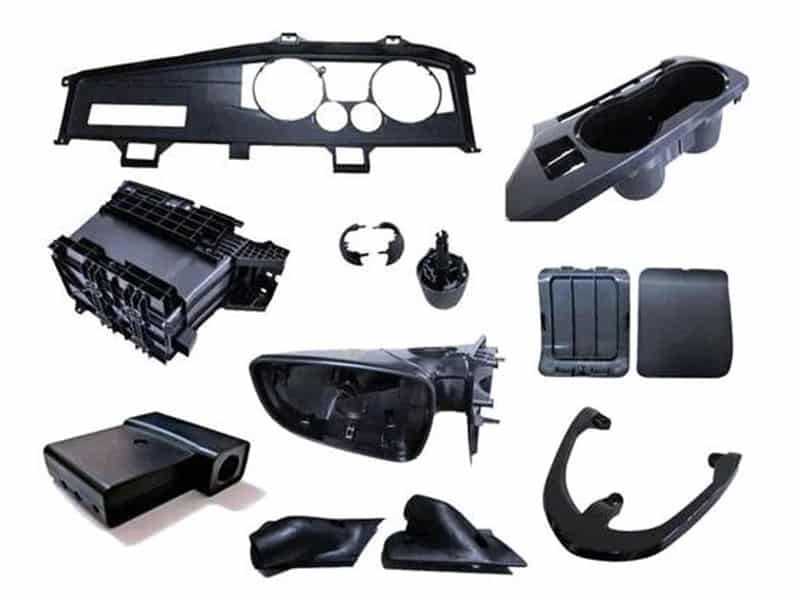
Plastics have become a primary material in modern vehicle manufacturing. The use of automotive plastic
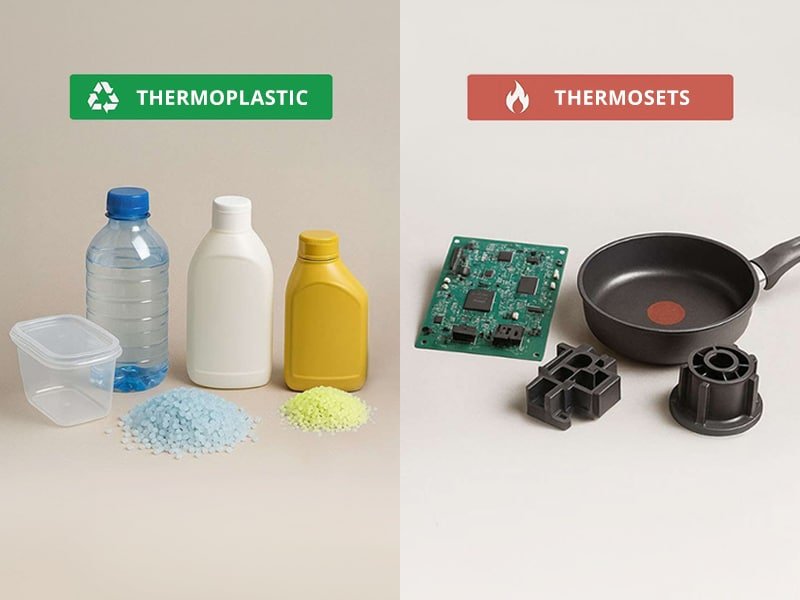
Polymer materials are BY FAR the most unique materials in modern manufacturing. You see them

In the food and beverage industry, safety is paramount. Every component that comes into contact

The plastic melting point plays a critical role in injection molding, directly impacting material flow,
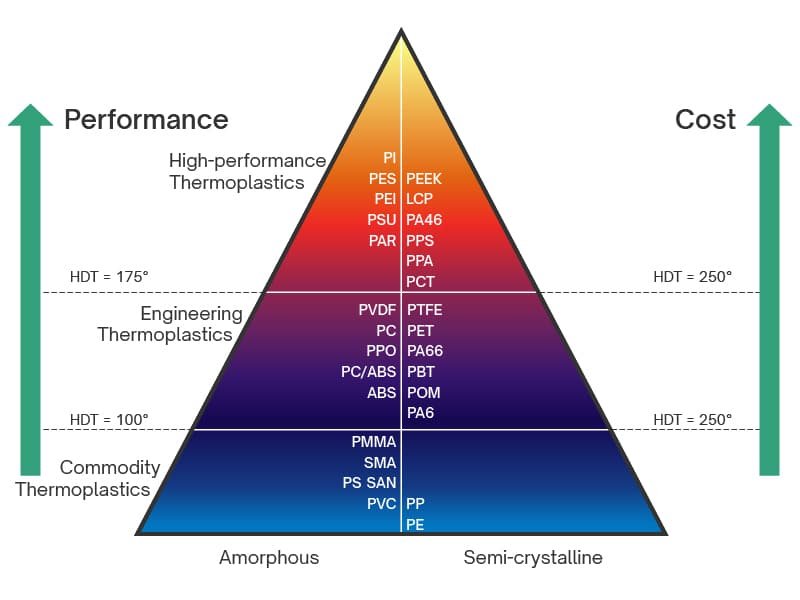
Compared to traditional materials such as metals, ceramics, and laminated glass, plastic has the disadvantage

It is important to avoid common mistakes in plastic material selection during the injection molding process. It is a