Looking for affordable injection molding for your custom plastic parts? Whether you need prototypes, small-batch production, or large-volume runs, controlling costs without compromising quality is critical. As a specialized custom injection molding supplier, we help companies lower overall manufacturing expenses through proven design and production strategies while delivering consistent, high-quality parts on time.
What is Low-Cost Injection Molding?
Low-cost injection molding is not about cutting corners. It is about making smart, early decisions in design, tooling, materials, and processing to reduce expenses while maintaining part performance and reliability.
Injection Molding Cost Structure
The main cost elements in injection molding include tooling, materials, processing, and secondary operations.
- Tooling often represents 40-60% of the total project cost for low to medium volumes, as it covers mold design and fabrication.
- Materials contribute 15-25%, depending on the resin type and part weight.
- Processing costs, which cover machine time, labor, and energy, range from 15-20%.
- Secondary operations and logistics make up the remainder.
For a complete overview of how these factors combine into your final project price, read our detailed guide: How Much Does Injection Molding Cost.
How to Reduce Injection Molding Costs
The following seven proven approaches focus on the areas that deliver the biggest and fastest cost reductions.
1. Simplify Part Design (DFM Principles)
Early Design for Manufacturability (DFM) analysis is the fastest way to cut costs in custom injection molding. Uniform wall thickness, proper draft angles (1–2 degrees), and removal of unnecessary undercuts can reduce mold complexity and lower mold fabrication costs by 20–50%.
Ribs and gussets replace thick sections to save material while keeping strength. Snap-fits and self-mating features combine multiple parts into one, eliminating separate assembly steps.
Our free DFM review before tooling identifies these savings before tooling begins.
2. Choose the Right Tooling
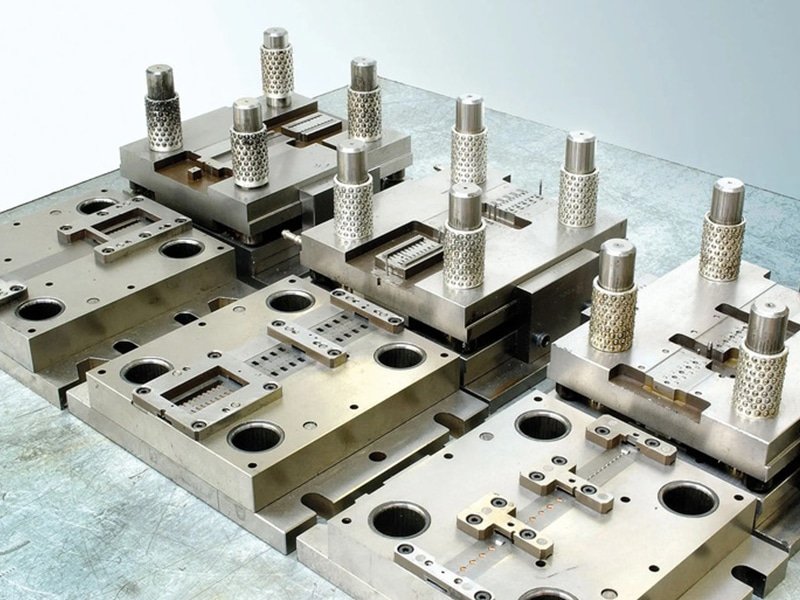
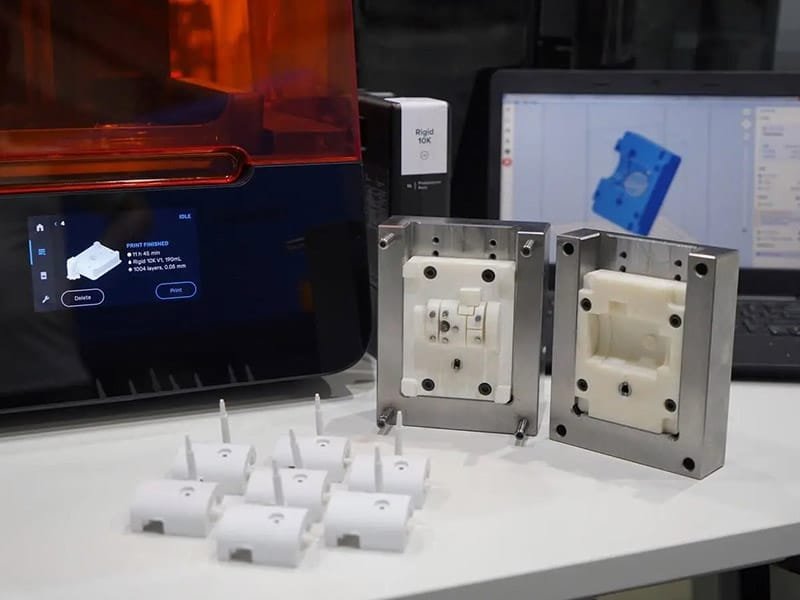
Selecting the correct mold type directly controls your upfront and per-part costs. Aluminum molds offer lower initial investment and faster lead times, making them ideal for prototypes and runs up to 10,000 parts. Steel molds provide long-term durability for higher volumes, spreading the cost across more units.
Multi-cavity or family molds further reduce per-part machine time and setup expenses. We recommend and supply the most cost-effective tooling option based on your exact volume and timeline.
For additional practical tips specifically focused on lowering mold costs, see our in-depth article: 12 Useful Tips to Reduce Injection Molding Mold Cost.
3. Select Cost-Effective Materials
Standard commodity resins such as polypropylene (PP), high-density polyethylene (HDPE), and acrylonitrile butadiene styrene (ABS) deliver reliable performance at competitive prices and are readily available.
Optimizing wall thickness and using controlled regrind (where specifications allow) reduces material usage and cost per part. We help you choose the right resin based on your functional, environmental, and regulatory needs to avoid expensive over-specification.
4. Optimize Production Process Efficiency
Multi-cavity molds and optimized cooling systems shorten cycle times, increasing output per hour and lowering per-part costs. Process monitoring reduces scrap rates, while automation in part ejection and inspection supports consistent quality at scale. These improvements translate into shorter lead times and lower overall production expenses.
5. Align Volume and Scheduling
For small runs, aluminum molds paired with on-demand production avoid excess inventory costs. Bridge tooling allows low-cost initial production, with an easy switch to steel molds when volumes increase. Sharing your accurate volume forecast early enables us to recommend the most economical tooling and production plan from the start.
6. Reduce or Eliminate Secondary Operations
Designing threads, living hinges, surface textures, or insert features directly into the mold removes the need for additional machining, printing, or assembly. This integration cuts post-molding costs and simplifies your supply chain.
7. Avoid Common Cost Drivers
Overly tight tolerances, complex geometries, or frequent design changes increase mold precision requirements and rework risk. Early review against standard injection molding guidelines prevents these issues and protects your budget.
Benefits of Partnering with Our Custom Injection Molding Supplier
As an experienced low-cost injection molding services provider, we apply all seven strategies on every project. Our services include:
- Free DFM feedback on your files
- Transparent, volume-based quotations
- Flexible tooling (aluminum or steel) for any batch size
- Fast turnaround from prototype to production
- Strict quality control with full material traceability
You receive clear cost breakdowns and expert guidance that turns the above strategies into real budget reductions.
Conclusion
Achieving low-cost injection molding requires a combination of design optimization, appropriate tooling, efficient production, and the right manufacturing partner. Our team supports clients throughout the entire process, from design review to final production, ensuring cost-effective and practical solutions for every project. Upload your 3D files for a free DFM analysis and quotation.