PU Plastic Manufacturing Guide
What Is PU – What Does PU Stand For?
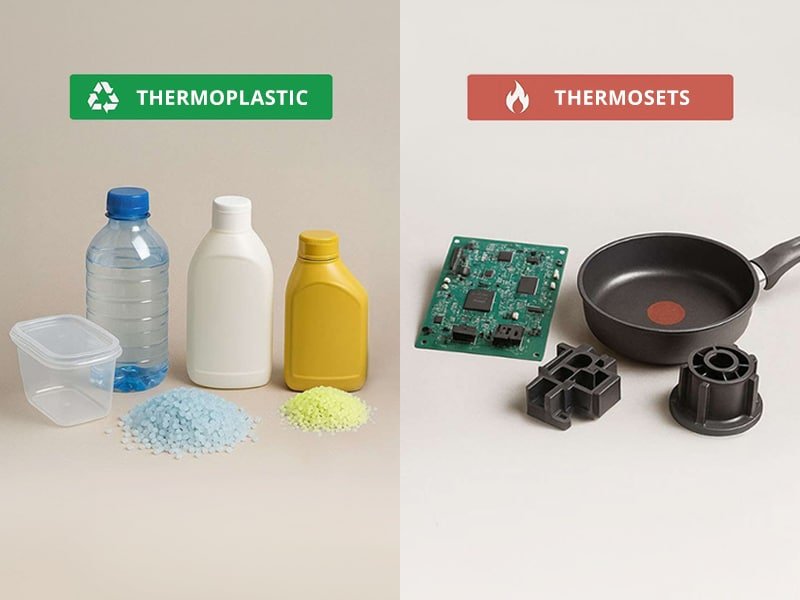
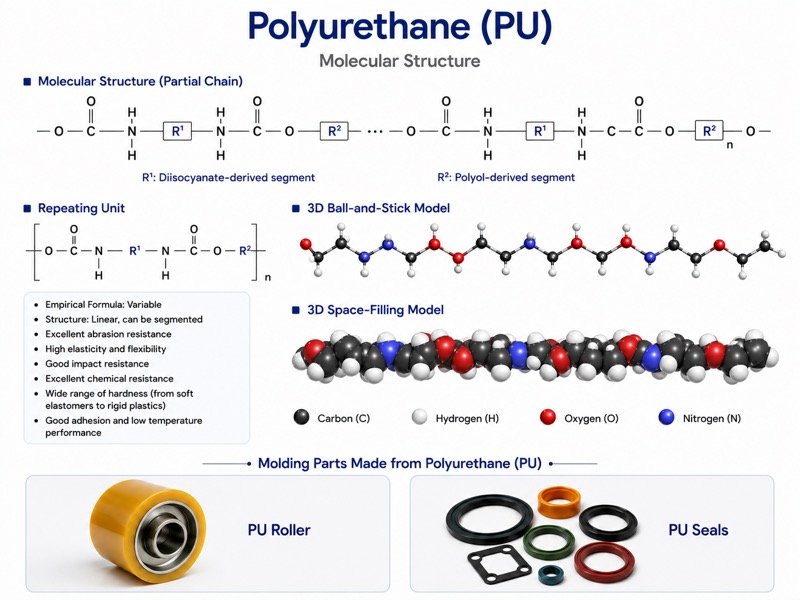
PU stands for Polyurethane. Polyurethane is a polymer formed by the reaction of polyols and isocyanates. Unlike many thermoplastics, PU can be formulated with a wide range of hardness levels, allowing it to perform as either a flexible elastomer or a rigid engineering material.
Because of its unique balance of toughness, elasticity, abrasion resistance, and load-bearing performance, PU is widely used in applications where traditional rubber wears too quickly and rigid plastics lack impact resistance.
Different Types of PU
Cast Polyurethane
Produced by pouring liquid polyurethane into molds and curing it. Commonly used for rollers, wheels, wear pads, bushings, and industrial components.
Thermoplastic Polyurethane (TPU)
A thermoplastic form of polyurethane that can be processed using injection molding and extrusion. Widely used for consumer products, seals, and flexible components.
Rigid Polyurethane
Formulated to provide higher stiffness and structural performance. Commonly used in insulation and structural applications.
Properties and Features of PU
Polyurethane combines the elasticity of rubber with the durability of engineering plastics, making it one of the most versatile materials available.
Physical Properties of PU
- Excellent abrasion resistance
- High impact resistance
- Good load-bearing capability
- Available in a wide range of hardness levels
- Excellent resilience and elasticity
- Good vibration damping
- Low compression set
- Good tear resistance
- Good weather resistance
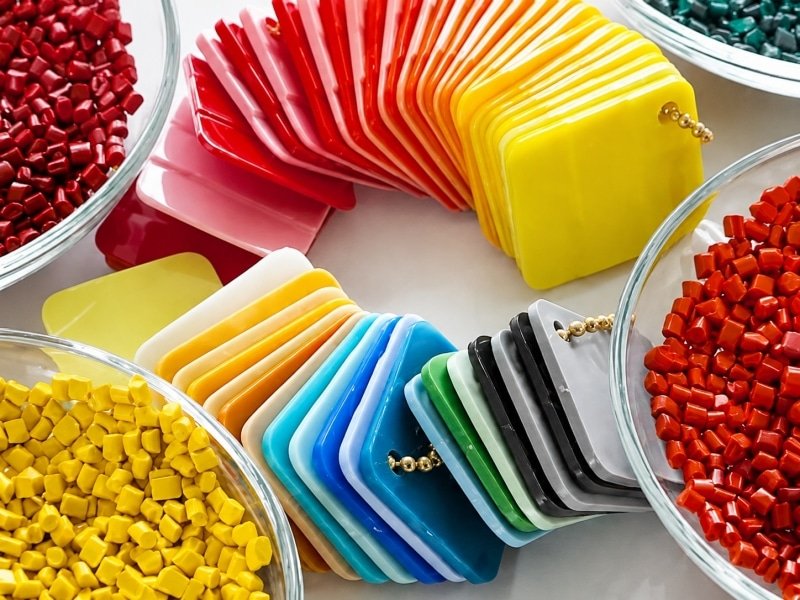
- Available in transparent and colored formulations
Chemical Properties
- Water: Excellent
- Oils and Greases: Good to Excellent
- Dilute Acids: Good
- Dilute Alkalis: Good
- Fuels: Good
- Alcohols: Good
- Ozone: Good
- Strong Acids: Limited
- Strong Alkalis: Limited
Mechanical Properties of PU
- Density: 1.10 – 1.25 g/cm³
- Tensile Strength: 20 – 70 MPa
- Elongation at Break: 200 – 700%
- Shore Hardness: 60A – 85D
- Tear Strength: Excellent
- Abrasion Resistance: Excellent
- Impact Strength: Excellent
- Compression Set: Low
Thermal Properties
- Continuous Service Temperature: -40°C to 80°C
- Short-Term Exposure Temperature: Up to 100°C
- Thermal Conductivity: 0.15 – 0.30 W/m·K
- Good low-temperature flexibility
Electrical Properties of PU
- Good electrical insulation
- Dielectric Strength: 15 – 25 kV/mm
- Volume Resistivity: 10¹¹ – 10¹⁴ Ω·cm
Advantages & Disadvantages of PU
Understanding both the strengths and limitations of polyurethane helps determine whether it is the right material for a particular application.
Advantages of PU
Exceptional Abrasion Resistance
Excellent Impact Resistance
Wide Hardness Range
Good Load-Bearing Performance
Excellent Tear Resistance
Disadvantages of PU
Limited High-Temperature Resistance
Moisture Sensitivity During Processing
Chemical Resistance Depends on Formulation
Higher Cost Than Conventional Rubber
PU Manufacturing Process
Polyurethane components can be produced using several manufacturing methods depending on part size, geometry, and production volume.
Cast Molding
Injection Molding
PU Applications
Polyurethane is commonly used for parts that require wear resistance, impact resistance, and long service life.
Typical applications include:
- Industrial rollers and wheels
- Bushings and bearings
- Wear pads and wear strips
- Seals and gaskets
- Conveyor components
- Material handling equipment
- Mining and agricultural equipment
- Suspension and vibration isolation components
- Scraper blades
- Protective covers and bumpers
Materials Similar to PU and How to Choose
PU vs Rubber
Key Differences
How to Choose
PU vs Nylon (Polyamide)
Key Differences
How to Choose
PU vs UHMWPE
Key Differences
How to Choose
PU vs PTFE
Key Differences
How to Choose
Get PU Plastic Part
PU Material FAQs
Is PU Better Than Rubber?
Is PU a Good Material for Industrial Rollers?
Is PU Suitable for Outdoor Applications?
Is PU Resistant to Oils and Fuels?
What Are the Main Limitations of PU?
Is PU a Good Material for Wear Parts?
Related Resources of PU Plastic Manufacturing
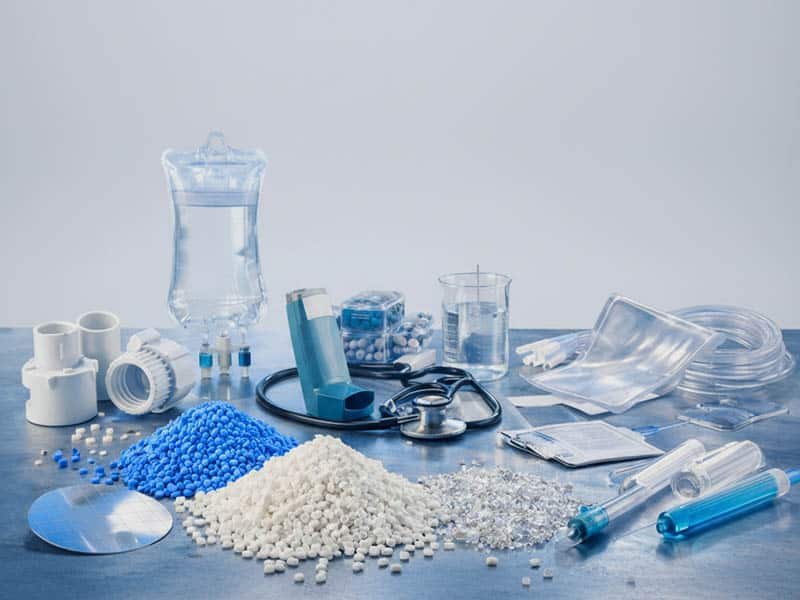
Plastics for medical devices provide enabling safer, more cost-effective, and customizable solutions compared to traditional
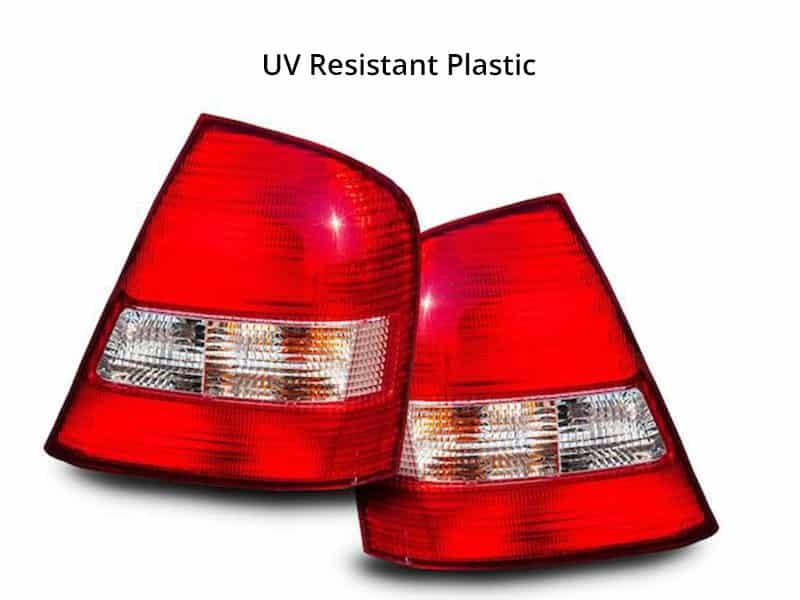
Ultraviolet (UV) radiation from sunlight causes gradual degradation in many plastic materials. This process, known
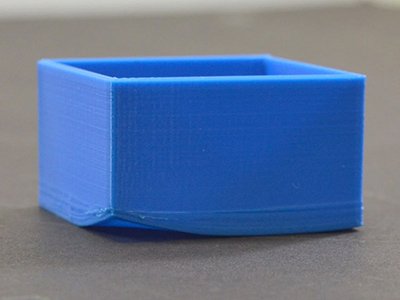
Dimensional control is a central concern in injection molding. Even when the mold is precisely
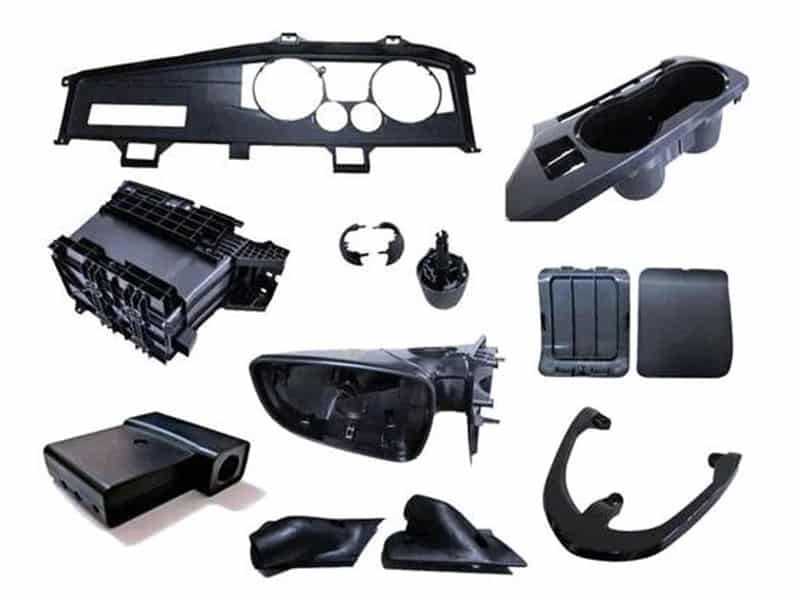
Plastics have become a primary material in modern vehicle manufacturing. The use of automotive plastic
Polymer materials are BY FAR the most unique materials in modern manufacturing. You see them
In the food and beverage industry, safety is paramount. Every component that comes into contact