
Acrylic (PMMA) Injection Molding
Acrylic plastic molding delivers crystal-clear, durable parts with excellent optical properties. Whether for lighting, displays, or automotive components, our precision molding ensures high-quality results for your applications.

Erye Offer Acrylic Injection Molding Service Specific to Your Needs!
Acrylic (PMMA) injection molding is ideal for producing transparent, impact-resistant parts with excellent weatherability. From optical lenses to display panels, our advanced Acrylic molding capabilities ensure clarity and precision. With a deep understanding of acrylic’s unique properties, we optimize every stage of production to achieve flawless results.
- Ultra-high transparency for optical-grade, distortion-free parts
- Tight tolerances to maintain clarity and consistent visual accuracy
- High-volume molding with stable, repeatable quality
- Custom surface finishes including glossy, matte, and fine textures
- Optional UV and impact-resistant enhancements for improved durability
- Post-processing support such as bonding, coating, and light assembly
Acrylic Injection Molding Services
| Service | Details |
|---|---|
| Maximum Part Size | 2500mm x 2000mm (98 in. x 78 in.) |
| Recommended Wall Thickness | 0.89 mm and 3.81 mm(0.035 to 0.150 inches) |
| Color Options | Any color according to RAL or Pantone Code |
| Standard Finishes | SPI and VDI |
| Mold Ownership | Customer owned with mold maintenance |
| Mold Life | Unlimited (If the acrylic injection mold worn out, Erye will cover the cost of new mold) |
Injection Molded Acrylic Design Guide
Injection molding PMMA (Acrylic) Part design must account for PMMA's properties, particularly its transparency and flow limitations.
| Item | Description |
|---|---|
| Rib Design | Ribs should be about 60% of wall thickness to enhance part strength, with a slight draft angle to allow easy removal from the mold. |
| Boss Design | Design bosses with a diameter 2-3 times the screw diameter and a wall thickness 60% of the main wall to prevent sink marks, considering PMMA's shrinkage rate of 0.2-1%. |
| Snap-Fit Design | Use short, wide snap-fit cantilevers with generous radii, as PMMA's elongation at break is generally between 2-5%. |
| Hole Design | Maintain a minimum distance of 1.5 times the hole diameter from the edge to prevent cracking. |
| Wall Thickness Transitions | Use a 3:1 transition ratio to minimize stress concentrations, as abrupt changes affect PMMA's uniform cooling and shrinkage. |
| Tolerance | Commercial tolerances are 0.1 to 0.325 mm for parts under 160 mm, while fine tolerances (0.045 to 0.145 mm) suit smaller parts (≤100 mm). |
| Assembly Considerations | Design features for assembly, accounting for PMMA's thermal expansion and potential for stress cracking during joining. |
Start PMMA Injection Molding Project
Get high-quality Acrylic injection molded parts! Contact with Erye to request a quote!
Advantages of Acrylic Molding
Exceptional Optical Clarity
PMMA boasts a light transmission of around 92%, rivaling glass, making it ideal for lenses and optical components.
High Gloss Finish
Achieves a high-gloss surface finish with a haze value typically below 1%, replicating mold details with excellent fidelity.
Excellent Colorability
Can be easily colored or tinted, maintaining high transparency with light transmission often exceeding 85% in colored grades.
Good UV Resistance
Some grades exhibit high UV resistance with less than 10% light transmission loss after 500 hours of UV exposure.
High Rigidity
Offers a flexural modulus of around 3.3 GPa, providing good rigidity and dimensional stability.
Disadvantages of Acrylic Molding
Lower Impact Strength
Standard PMMA has relatively low impact resistance, typically around 15–20 kJ/m², making it more brittle compared to materials like polycarbonate.
Poor Chemical Resistance
PMMA is sensitive to many solvents and chemicals such as alcohols, ketones, and hydrocarbons, which can cause crazing, cracking, or surface whitening.
Higher Risk of Stress Cracking
Its rigid molecular structure makes PMMA more prone to stress cracking under load, especially when exposed to environmental stressors or improper molding conditions.
Lower Scratch Resistance Without Coating
Although stiffer than many plastics, uncoated PMMA can scratch relatively easily, often showing surface marks from abrasion or handling.
Injection Molding Acrylic Applications

Automotive Industry
- Tail light lenses
- Headlight lenses
- Instrument panel covers
- Interior light diffusers
- Navigation screen covers

Consumer Electronics
- Display screens
- LED light diffusers
- Light guides
- Touch panel overlays
- Optical lenses

Medical & Healthcare
- Diagnostic device housings
- Medical instrument lenses
- Fluid connectors
- Surgical light diffusers
- Incubator covers

Lighting Industry
- LED light covers
- Diffuser panels
- Streetlight lenses
Additonal Options for Acrylic Parts
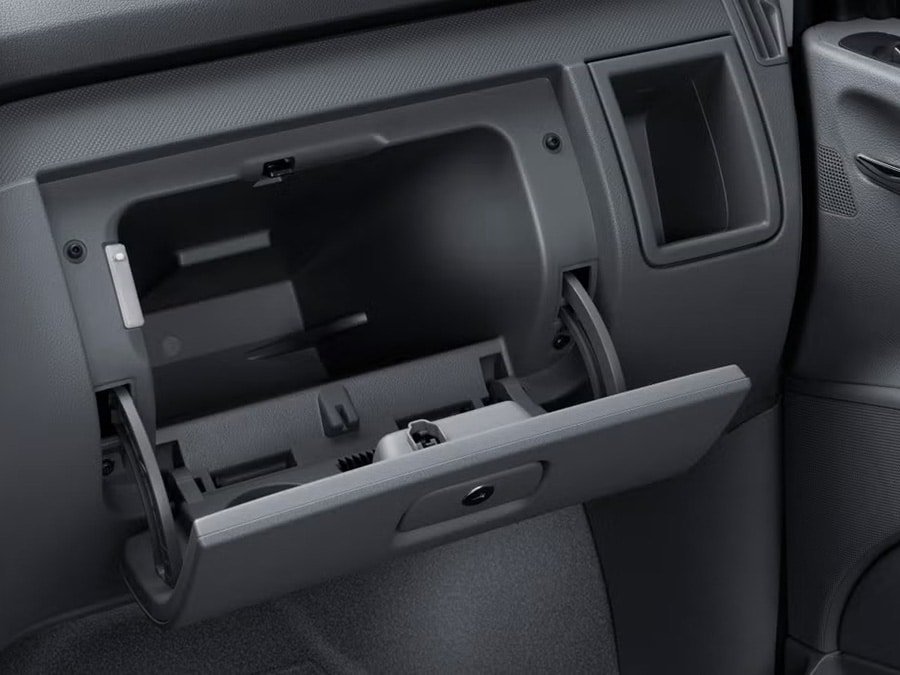
Case Study
Case Study of Automotive Glove Box Development
Learn how to help a customer move from an early glove box concept to a fully tooled, production-ready part. This case shows how we designed the mold, optimized the tooling, and reached reliable mass production.
Related PMMA Injection Resources
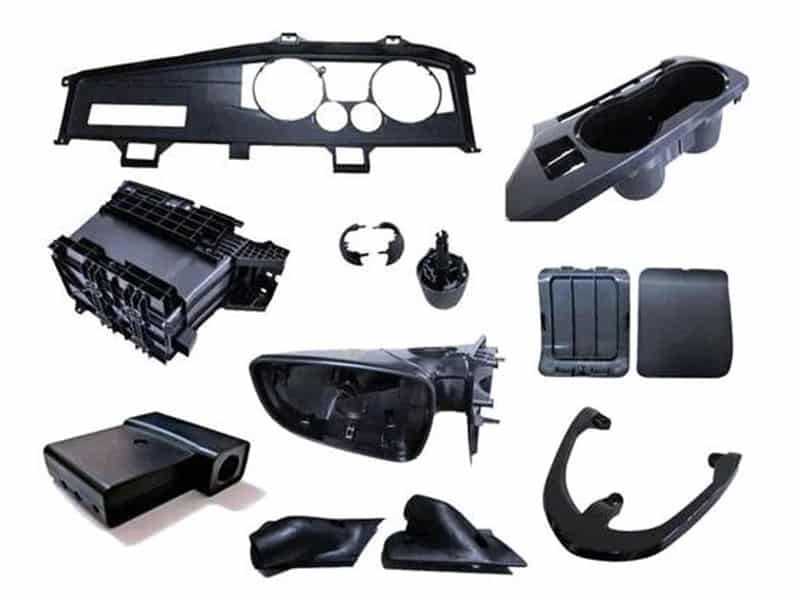
Plastics have become a primary material in modern vehicle manufacturing. The use of automotive plastic
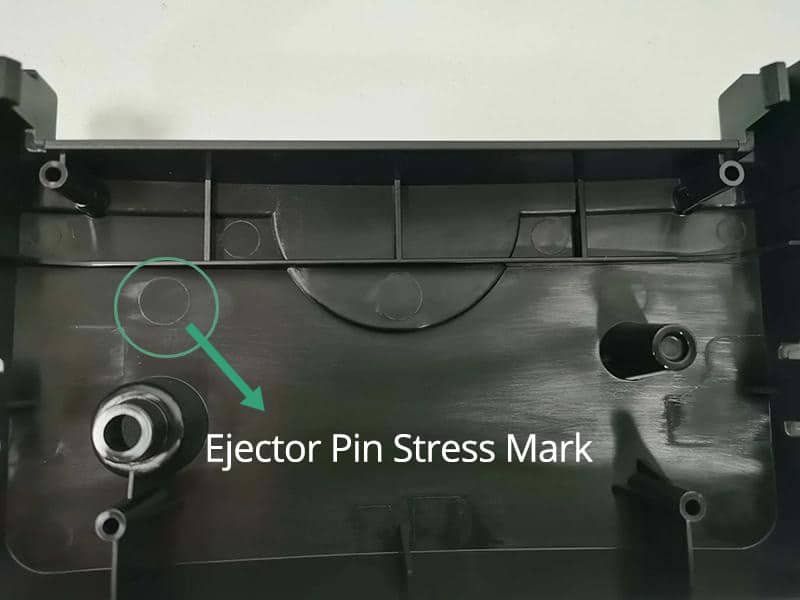
Ejector pin marks are a common defect on molded parts, appearing either as indentations or

Sink marks in injection molding are a common yet troublesome defect that can compromise the